Is Your Dog's Digestion Telling You Something?
As pet parents, we strive to provide our furry friends with the best possible care, and at the heart of their health lies a bustling, often overlooked ecosystem: their gut. A dog's digestive system is far more than just a processing plant for food; it's a complex network that influences everything from their mood and energy levels to their immune response and susceptibility to various ailments.
Understanding the intricate connection between diet and the foundation of their overall well-being is crucial. When your dog's gut health is compromised, it can manifest in a myriad of ways, including digestive upset, skin issues, allergies, and even behavioral changes. But the good news is, you have significant power to nurture their gut through the foods you choose.
Understanding Your Dog's Digestive System: A Complex Ecosystem
Before we dive into specific foods, it's essential to grasp the fundamentals of canine digestion. Your dog's gut is a marvel of biological engineering, home to trillions of microorganisms collectively known as the gut microbiome.
This diverse community of bacteria, fungi, and other microbes plays an indispensable role in your dog's health. It doesn't just break down food; it also synthesizes vitamins, produces essential fatty acids, and acts as a critical barrier against pathogens. A balanced microbiome means a healthy gut, which in turn leads to a healthier, happier dog. When this balance is disrupted, often by poor diet, stress, antibiotics, or environmental factors, it can lead to a cascade of health problems.
The digestive process begins in the mouth, moves through the esophagus, stomach, small intestine, and large intestine. Each stage is vital for nutrient absorption and waste elimination. The small intestine is where most nutrient absorption occurs, while the large intestine is crucial for water absorption and fermentation of undigested food by gut bacteria. This fermentation produces beneficial short-chain fatty acids (SCFAs), which provide energy for colon cells and have systemic anti-inflammatory effects. Therefore, supporting the entire digestive tract with nutrient-rich foods is paramount.
Common Signs of Canine Digestive Issues and Immune Problems
Recognizing the signs of an unhealthy gut or compromised immune system is the first step toward helping your dog. These symptoms can range from subtle to severe and often indicate an underlying imbalance in the digestive tract.
One of the most obvious indicators is digestive upset, which includes chronic diarrhea, constipation, excessive gas, bloating, and vomiting. While occasional upset can be normal, persistent issues warrant attention. Beyond the obvious, an unhealthy gut can manifest as skin problems like excessive itching, hot spots, dry flaky skin, or a dull coat. Many skin allergies in dogs have their roots in gut dysbiosis, where an imbalanced microbiome contributes to an overactive immune response.
Furthermore, a weakened immune system, heavily influenced by gut health, can lead to frequent infections, such as recurring ear infections, bladder infections, or upper respiratory issues. Low energy levels, lethargy, and a general lack of enthusiasm for play can also be signs that your dog isn't absorbing nutrients efficiently. Even behavioral changes like increased anxiety, aggression, or irritability have been linked to gut-brain axis disturbances. If your dog exhibits any of these symptoms, it's a strong signal to evaluate their diet and consult with your veterinarian. Addressing these issues proactively can prevent more serious Canine Digestive Issues and Immune Problems from developing.
💡 Key Takeaway
A healthy gut in dogs is fundamental for robust immunity, efficient nutrient absorption, and overall vitality. Watch for signs like chronic digestive upset, skin issues, low energy, and recurring infections, as these often point to an imbalanced gut microbiome. Dietary intervention and appropriate supplementation can significantly improve these conditions.
The Power Duo: Probiotics and Prebiotics for Canine Gut Health
When discussing gut health, two terms frequently emerge: probiotics and prebiotics. Understanding their distinct roles and how they work together is crucial for optimizing your dog's digestive well-being.
What are Probiotics?
Probiotics are live beneficial microorganisms, primarily bacteria and yeasts, that, when administered in adequate amounts, confer a health benefit on the host. Think of them as the "good guys" that populate your dog's gut, helping to maintain balance, digest food, produce vitamins, and fight off harmful pathogens. They are vital for a strong immune system and proper nutrient absorption.
What are Prebiotics?
Prebiotics are non-digestible fibers that act as food for the beneficial bacteria (probiotics) already residing in your dog's gut. They pass through the upper digestive tract undigested and stimulate the growth and activity of healthy bacteria in the large intestine. Essentially, prebiotics create a fertile environment for probiotics to thrive, making them an indispensable partner in gut health.
The Symbiotic Relationship
Probiotics and prebiotics work synergistically in what's often called a symbiotic relationship. Probiotics introduce new beneficial bacteria, while prebiotics nourish both these new arrivals and the existing healthy flora. Together, they enhance digestive function, boost immunity, reduce inflammation, and can even improve mood and behavior. Including both in your dog's diet, either through food or supplements, provides a comprehensive approach to gut health.
Many pet parents find that combining these elements through diet and targeted supplements yields the best results. For instance, if your dog suffers from skin issues or allergies, a probiotic supplement might be beneficial. Read more about probiotics for dog allergies and digestion to understand their full potential.
Top 10 Best Foods for Dog Gut Health and Digestion
Incorporating these foods into your dog's diet can significantly improve their digestive health, boost their immune system, and contribute to their overall vitality. Always introduce new foods slowly and in small quantities to avoid upsetting their stomach, and consult your veterinarian before making significant dietary changes.
1. Plain, Unsweetened Pumpkin
Pumpkin is a superstar for canine digestion. It's rich in soluble fiber, which helps regulate bowel movements, whether your dog is experiencing diarrhea or constipation. The fiber also acts as a prebiotic, feeding beneficial gut bacteria. Ensure you use plain, unsweetened canned pumpkin (not pumpkin pie filling) or fresh, cooked pumpkin.
2. Bone Broth
A nutrient-dense liquid gold, bone broth is packed with collagen, gelatin, amino acids (like glycine and glutamine), and minerals. It's incredibly soothing for an inflamed gut, helps heal leaky gut syndrome, and supports the integrity of the intestinal lining. It's also highly palatable and can encourage picky eaters.
3. Fermented Vegetables (e.g., Sauerkraut, Kimchi)
Small amounts of naturally fermented vegetables, like plain, unpasteurized sauerkraut or kimchi, can introduce a powerful dose of probiotics to your dog's diet. These live cultures help diversify the gut microbiome. Always ensure they are free of added salt, spices (especially garlic and onion), or other harmful ingredients.
4. Plain, Unsweetened Yogurt or Kefir
Dairy products can be tricky for some dogs due to lactose intolerance, but plain, unsweetened yogurt or kefir (fermented milk drink) can be excellent sources of probiotics for those who tolerate it. Look for varieties with live active cultures. For dairy-sensitive dogs, consider coconut or goat milk kefir, ensuring they are also plain and unsweetened.
5. Sweet Potatoes
Cooked sweet potatoes are an excellent source of dietary fiber, which promotes healthy digestion and provides bulk to stools. They are also rich in vitamins A and C, and manganese, offering antioxidant benefits that support overall health, including the immune system.
6. Oats (Cooked)
Plain, cooked oatmeal (without sugar or additives) is a gentle source of soluble fiber, which can be particularly beneficial for dogs with sensitive stomachs or those recovering from digestive upset. It helps soothe the digestive tract and supports regular bowel movements.
7. Apples (Peeled, Seedless)
Apples, when peeled and cored (seeds contain cyanide), offer a good source of fiber, particularly pectin, which is a soluble fiber that acts as a prebiotic. They also provide vitamins A and C, and antioxidants. Offer small slices as a healthy treat.
8. Carrots
Crunchy carrots are not only great for dental health but also provide fiber and beta-carotene, an antioxidant that converts to Vitamin A. They can help firm up stools and contribute to overall digestive regularity. Offer them raw or lightly steamed.
9. Spinach and Kale (in moderation)
These leafy greens are packed with vitamins (K, A, C), minerals, and antioxidants. While they should be given in moderation due to oxalates (which can interfere with calcium absorption in large amounts), small quantities can add valuable nutrients and fiber to your dog's diet, supporting gut health indirectly through overall nutritional support.
10. Cooked, Boneless Fish (e.g., Salmon, Sardines)
Fatty fish like salmon and sardines are rich in Omega-3 fatty acids, particularly EPA and DHA, which are powerful anti-inflammatory agents. Inflammation in the gut can severely impair digestion and nutrient absorption. Omega-3s help reduce this inflammation, supporting a healthier gut lining and overall digestive function. Always ensure fish is cooked and all bones are removed.
Beyond Food: A Holistic Approach to Canine Gut Health
While diet is foundational, a truly healthy gut is supported by a holistic lifestyle. Consider these additional factors to ensure your dog thrives.
Dietary Variety
Just like humans, dogs benefit from a diverse diet. Rotating proteins and incorporating a range of gut-friendly fruits and vegetables can provide a broader spectrum of nutrients and support a more resilient gut microbiome. Avoid feeding the exact same food day in and day out for years.
Adequate Hydration
Water is essential for every bodily function, including digestion. Proper hydration helps move food through the digestive tract, prevents constipation, and supports nutrient absorption. Always ensure your dog has access to fresh, clean water, especially after exercise or if they are eating a dry kibble diet.
Regular Exercise
Physical activity isn't just good for your dog's muscles and cardiovascular health; it also stimulates gut motility and can reduce stress. Regular walks, playtime, and mental stimulation contribute to overall well-being, which in turn supports a healthy digestive system.
Stress Reduction
Stress can significantly impact gut health, leading to digestive upset or exacerbating existing conditions. Create a calm and predictable environment for your dog, provide plenty of enrichment, and address any sources of anxiety. A relaxed dog is more likely to have a happy gut.
Regular Vet Check-ups
Preventative care and regular veterinary visits are crucial. Your vet can identify underlying health issues, provide tailored dietary advice, and recommend appropriate supplements or treatments. Don't hesitate to seek professional guidance if your dog exhibits persistent digestive problems.
Consider Quality Supplements
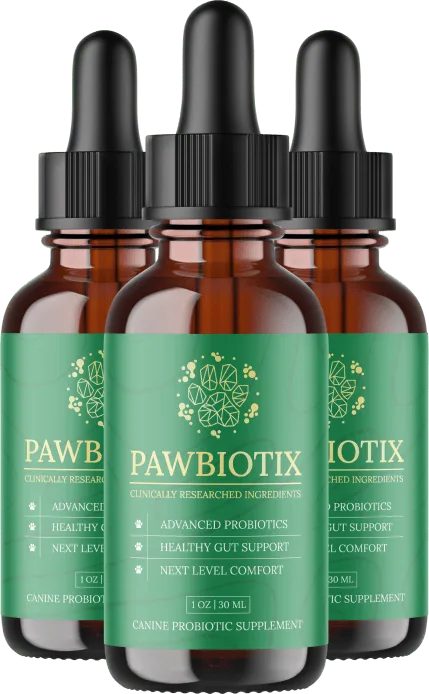
Even with the best diet, some dogs may benefit from targeted supplementation. High-quality probiotics, prebiotics, and digestive enzymes can provide an extra layer of support, especially for dogs with chronic issues, those on antibiotics, or senior pets. For a detailed look at what makes an effective supplement, explore PawBiotix ingredients, probiotics, and prebiotics for dog gut health.
Introducing PawBiotix: A Comprehensive Gut Health Solution
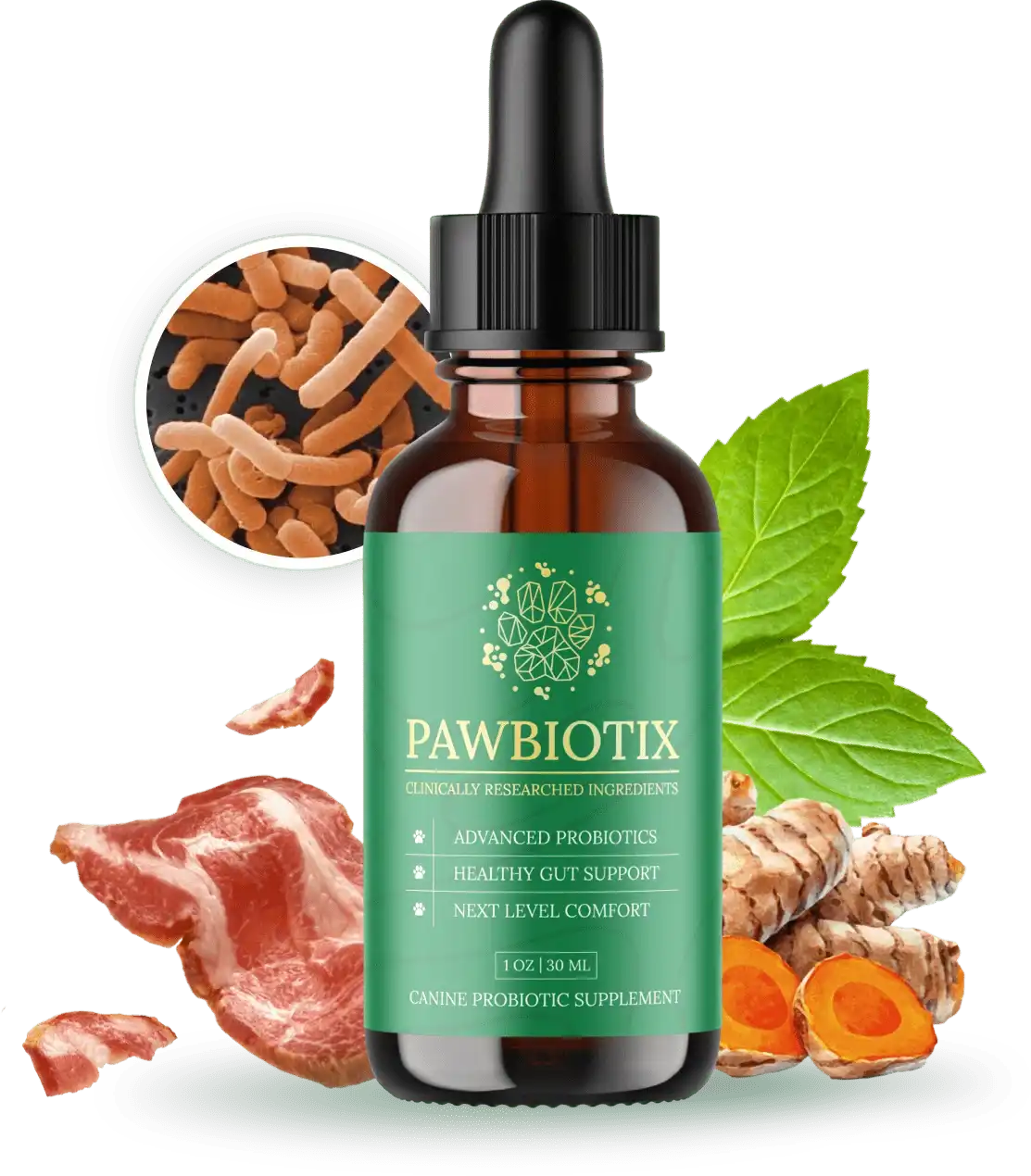
While a balanced diet is paramount, sometimes our furry friends need an extra boost to maintain optimal gut health, especially when dealing with Canine Digestive Issues and Immune Problems. That's where a targeted supplement like PawBiotix can make a significant difference. PawBiotix is formulated with a powerful blend of probiotics, prebiotics, and natural ingredients designed to support a thriving gut microbiome and enhance overall canine well-being.
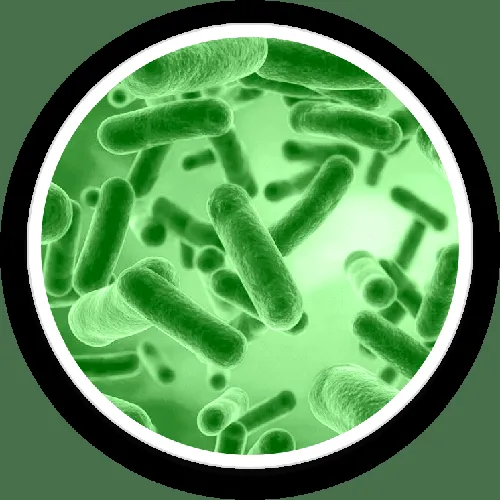
Bacillus Coagulans
Role: A highly resilient, spore-forming probiotic strain that survives stomach acid to reach the intestines, where it supports healthy digestion, nutrient absorption, and immune function. Known for its ability to reduce gas, diarrhea, and constipation.
5-10 Billion CFUs
Chlorella Powder
Role: A nutrient-dense green algae rich in chlorophyll, vitamins, and minerals. It acts as a natural detoxifier, helping to remove toxins from the body and support a healthy gut environment. Also promotes a strong immune system.
100-200 mg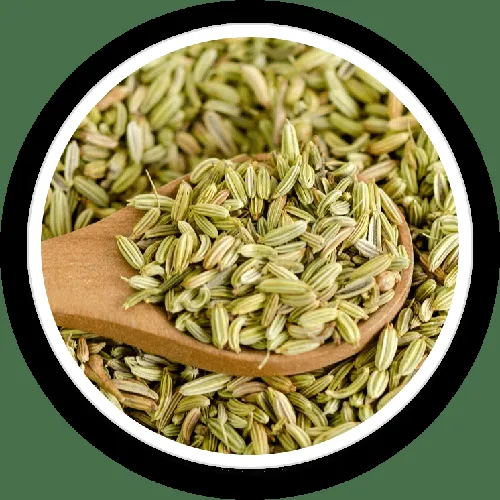
Fennel Seed Powder
Role: Traditionally used to soothe digestive upset, reduce gas and bloating, and alleviate stomach cramps. It has natural anti-inflammatory properties that can calm an irritated digestive tract and improve overall comfort.
50-150 mg
Organic Kelp Powder
Role: A rich source of essential minerals, including iodine, which supports thyroid health and metabolism. Kelp also provides prebiotics that feed beneficial gut bacteria, contributing to a balanced microbiome and improved digestive regularity.
50-100 mg
Sodium Copper Chlorophyllin
Role: A derivative of chlorophyll, known for its powerful antioxidant and detoxifying properties. It helps neutralize odors from bad breath and gas, supports cellular health, and contributes to a clean internal environment, aiding gut function.
50-100 mg
Turmeric Root Extract
Role: Contains curcumin, a potent anti-inflammatory compound. It helps reduce inflammation throughout the body, including the gut, which can alleviate discomfort and support the healing of the digestive lining, promoting overall gut integrity.
50-150 mgThese carefully selected ingredients work synergistically to address the root causes of digestive upset and immune deficiencies, offering a multi-faceted approach to your dog's health. Curious about what other pet parents are saying? Check out dog probiotic supplement reviews to see real-world results.
Give Your Dog the Gift of Optimal Gut Health and Vitality
Your dog deserves to live a life full of energy, comfort, and robust health. PawBiotix offers a cutting-edge solution to support their digestive system and immune response from the inside out. Formulated by veterinary health experts, this powerful supplement is designed to address the core issues of canine digestive imbalance.
- ✓ Supports a healthy and balanced gut microbiome
- ✓ Enhances nutrient absorption for optimal energy
- ✓ Boosts immune system function to fight off ailments
- ✓ Reduces common digestive issues like gas, bloating, and irregular stools
- ✓ Promotes a healthy skin and coat, reducing allergy symptoms




What Happy Pet Parents Are Saying About PawBiotix
"My Golden Retriever, Max, used to suffer from constant stomach issues and itchy skin. Since starting PawBiotix a few months ago, he's a completely different dog! His digestion is regular, his coat is shiny, and he has so much more energy. This supplement has been a game-changer for his quality of life."
"I was skeptical at first, but my vet suggested a probiotic for my senior Dachshund's chronic gas and loose stools. PawBiotix came highly recommended. Within weeks, I noticed a huge improvement. No more embarrassing odors, and his stools are perfectly formed. He even seems happier and more comfortable. I'm so glad I tried it!"
"My picky eater, Luna, a rescue terrier mix, had a sensitive stomach and often refused her food. Since mixing PawBiotix into her meals (she loves the bacon flavor!), she eats with enthusiasm, and her digestive issues have vanished. It's truly amazing how much better she's doing. Highly recommend for sensitive pups!"
Frequently Asked Questions
Why is gut health so important for my dog?
+A healthy gut is the cornerstone of your dog's overall well-being. It's where essential nutrients are absorbed, and a significant portion of their immune system resides. An imbalanced gut can lead to various issues, including digestive upset, skin allergies, poor coat quality, low energy, and even behavioral problems. Maintaining a thriving gut microbiome ensures proper digestion, robust immunity, and overall vitality.
What are common signs of an unhealthy gut in dogs?
+Signs of an unhealthy gut can vary but often include chronic diarrhea or constipation, excessive gas, bloating, vomiting, bad breath, weight loss despite eating, skin irritations, dull coat, recurring ear infections, and even unexplained anxiety or aggression. If you notice these symptoms, it's crucial to consult your veterinarian for a proper diagnosis and treatment plan.
Can changing my dog's diet really improve their gut health?
+Absolutely. Diet plays a pivotal role in shaping your dog's gut microbiome. Introducing a variety of whole, unprocessed, and nutrient-dense foods rich in fiber, prebiotics, and natural probiotics can significantly improve digestive function. Conversely, diets high in artificial ingredients, fillers, and poor-quality proteins can disrupt the gut balance. Gradual dietary changes are key to avoiding further upset.
Are there specific human foods that are good for a dog's gut?
+Yes, several human foods can be beneficial. These include plain, unsweetened pumpkin (canned or fresh), bone broth, plain yogurt or kefir (in moderation, if your dog tolerates dairy), cooked sweet potatoes, and certain leafy greens like spinach (in small amounts). Always introduce new foods slowly and check with your vet to ensure they are safe and appropriate for your dog.
When should I consider a probiotic supplement for my dog?
+Probiotic supplements can be beneficial for dogs experiencing digestive issues, after antibiotic treatment, during periods of stress, or for those with chronic conditions like allergies or inflammatory bowel disease. They can help restore beneficial bacteria and support immune function. Consult your veterinarian to determine if a probiotic supplement like PawBiotix is right for your dog's specific needs.
How long does it take to see improvements in my dog's gut health?
+The timeframe for seeing improvements can vary depending on the severity of the initial issues, your dog's individual response, and the consistency of dietary changes or supplement use. Some dogs may show improvements within a few weeks, while others might take a few months to fully rebalance their gut microbiome. Consistency and patience are key to long-term success.
Related Articles to Support Your Dog's Health