Is Your Dog Constantly Itchy, Gassy, or Having Tummy Troubles?
As devoted pet parents, we want nothing more than to see our furry companions happy and thriving. So, when your beloved dog starts exhibiting persistent itching, skin irritations, digestive upset, or ear infections, it can be incredibly distressing. These symptoms are often more than just minor annoyances; they can be tell-tale signs of a deeper issue: dog food allergies.
Understanding the complexities of canine food allergies is the first step toward finding relief for your pet. It's a journey that often leads to a deeper appreciation for their overall health, where we discover that gut health plays a pivotal role in their immune system and well-being. This comprehensive guide will walk you through identifying symptoms, understanding causes, and exploring effective natural solutions to bring comfort back to your best friend.
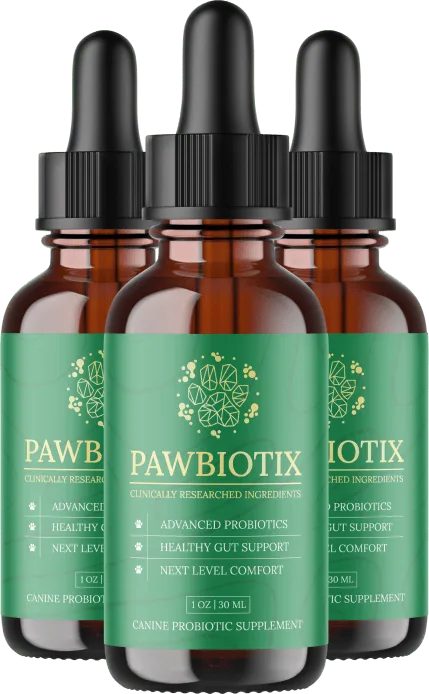
Understanding Dog Food Allergies: A Growing Concern
Food allergies in dogs are an adverse reaction to a normally harmless food ingredient, triggered by an immune response. Unlike food intolerances, which are digestive issues, true allergies involve the immune system mistaking a food protein as a threat.
The prevalence of dog food allergies appears to be on the rise, making it a significant concern for veterinarians and pet owners alike. While estimates vary, some studies suggest that anywhere from 10% to 20% of dogs may experience some form of allergy, with food allergies accounting for a notable percentage of these cases. This increase is often attributed to a combination of factors, including changes in canine diets, genetics, and environmental influences. It's important to differentiate between a food allergy and a food intolerance. A food allergy is an immune-mediated response, meaning the dog's immune system overreacts to a protein in the food. This reaction can be immediate or delayed, making diagnosis challenging. In contrast, a food intolerance is a digestive problem, such as lactose intolerance, where the dog lacks the enzymes to properly digest a certain food component. While both can cause similar symptoms, only allergies involve the immune system. Understanding this distinction is crucial for effective treatment.
The immune system, especially the part residing in the gut, plays a central role in both allergies and general health. When a dog has a food allergy, their immune system identifies a specific protein in their food as harmful, leading to a cascade of inflammatory reactions throughout the body. These reactions can manifest in various ways, from skin issues to gastrointestinal upset, making your dog uncomfortable and potentially impacting their quality of life. Identifying the specific allergens and addressing the underlying immune and digestive health is key to providing lasting relief.
Recognizing the Signs: Common Symptoms of Dog Food Allergies
Symptoms of food allergies in dogs can be varied and often mimic other conditions, making accurate diagnosis essential. Pay close attention to these common indicators.
One of the most prevalent signs of a food allergy is chronic itching. This isn't just an occasional scratch; it's persistent, intense itching that can lead to skin damage. Dogs may chew their paws relentlessly, rub their faces against furniture, or scratch their ears and flanks until they develop raw spots or secondary infections. The itching often doesn't respond well to conventional allergy medications designed for environmental allergies, which can be a clue that food is the culprit.
Skin and Coat Issues: More Than Just Itching
Beyond itching, food allergies frequently manifest as a range of skin and coat problems. You might notice redness, rashes, or hives appearing on your dog's belly, armpits, groin, or between their toes. Hot spots (acute moist dermatitis) are common, where the dog licks or chews intensely at one spot, causing a rapidly spreading bacterial infection. Hair loss, dull coat, and flaky or oily skin can also be indicators. In some cases, dogs may develop a chronic, musty odor due to yeast overgrowth on the skin, which thrives in inflamed environments. Recurrent ear infections, particularly yeast infections, are also strongly linked to food allergies. If your dog frequently shakes their head, scratches their ears, or has red, waxy, or foul-smelling ears, food allergies should be considered.
Gastrointestinal Distress: Tummy Troubles
While skin issues are often the most visible, many dogs with food allergies experience digestive upset. This can include chronic vomiting, diarrhea, excessive gas, or frequent loose stools. Some dogs may strain to defecate or show signs of abdominal pain. Unlike occasional stomach upset, these symptoms are persistent and may not improve with standard dietary changes or medications. Weight loss, poor appetite, or failure to thrive can also be observed in severe, long-standing cases.
Other Less Common Symptoms
Less frequently, food allergies can present with other signs. Some dogs might exhibit respiratory symptoms like wheezing or coughing, although this is more typical of environmental allergies. Behavioral changes such as hyperactivity, lethargy, or increased irritability can also be observed, often due to chronic discomfort and inflammation. It's crucial to remember that these symptoms can overlap with other health conditions, so a thorough veterinary examination is always recommended to rule out other causes and establish an accurate diagnosis.
💡 Key Takeaway
Dog food allergies typically present as chronic itching, skin rashes, recurrent ear infections, and persistent gastrointestinal issues like vomiting or diarrhea. These symptoms are often immune-mediated and require careful diagnosis to differentiate from intolerances or other health problems.
Unmasking the Culprits: Common Causes and Allergens
Understanding what triggers food allergies in dogs is crucial for effective management. While any food can theoretically cause an allergic reaction, certain ingredients are more commonly implicated.
Unlike humans who often react to nuts or shellfish, dogs most commonly develop allergies to protein sources. This is because the immune system typically reacts to specific protein molecules. The most frequent culprits include common proteins found in commercial dog foods: beef, dairy, chicken, wheat, and soy. Less common but still possible allergens include lamb, fish, corn, and eggs. It's a common misconception that a dog can only be allergic to new foods; in reality, allergies often develop to ingredients that a dog has been exposed to repeatedly over a long period. This is why a dog can suddenly become allergic to a food they've eaten their entire life.
The Role of Gut Health: A Deeper Dive
At the heart of many food allergies lies an issue with gut health. The canine gut is a complex ecosystem, home to trillions of bacteria, both beneficial and harmful, collectively known as the microbiome. It's also where about 70-80% of the dog's immune system resides. A healthy gut maintains a strong barrier, preventing undigested food particles, toxins, and pathogens from "leaking" into the bloodstream. This phenomenon, often referred to as "leaky gut" syndrome (or increased intestinal permeability), can occur when the gut lining becomes compromised due to factors like chronic stress, antibiotics, poor diet, or inflammation.
When the gut barrier is compromised, larger food particles that would normally be fully digested can pass through into the bloodstream. The immune system, designed to protect the body from foreign invaders, then identifies these particles as threats and mounts an immune response, leading to allergic symptoms. This cycle perpetuates inflammation and further damages the gut lining, creating a vicious cycle of allergic reactions and digestive issues. An imbalance in the gut microbiome, known as dysbiosis, can also contribute to a compromised gut barrier and heightened immune reactivity. Beneficial bacteria play a critical role in maintaining gut integrity, modulating immune responses, and aiding digestion. When these populations are depleted or out of balance, the gut becomes more vulnerable.
Genetic Predisposition and Environmental Factors
While diet and gut health are primary drivers, genetics can also play a role. Certain breeds, such as Labrador Retrievers, Golden Retrievers, German Shepherds, Boxers, and West Highland White Terriers, are often predisposed to allergies, including food allergies. This suggests a genetic component that makes some dogs more susceptible to developing an overactive immune response. Environmental factors, such as exposure to pesticides, chemicals, or even early-life nutrition, can also influence the development of allergies by impacting the immune system's maturation and the gut microbiome's development.
Understanding these underlying causes – from specific protein allergens to the critical role of gut health and genetics – provides a roadmap for effective diagnosis and management strategies. Addressing the root cause, particularly gut health, is often the most impactful way to alleviate chronic allergic symptoms and improve your dog's overall well-being. For more information on how gut health impacts allergies, you might find this article insightful: Probiotic for Dog Allergies and Digestion.
Diagnosing Food Allergies: The Elimination Diet
Accurately diagnosing a food allergy requires a systematic approach, as there are no simple blood tests that reliably confirm a food allergy in dogs. The gold standard remains the elimination diet.
An elimination diet involves feeding your dog a strict diet consisting of a novel protein source (one your dog has never eaten before, such as venison, duck, rabbit, or kangaroo) and a novel carbohydrate source (like sweet potato, quinoa, or peas). This diet must be fed exclusively for a period of 8 to 12 weeks. During this time, absolutely no other foods, treats, table scraps, flavored medications, or chew toys that might contain allergens are allowed. It requires strict adherence and cooperation from all household members.
If your dog's symptoms (itching, digestive upset, ear infections) significantly improve or resolve during the elimination phase, it strongly suggests a food allergy. The next step is the food challenge. This involves reintroducing previous food ingredients one by one, typically over a period of 1-2 weeks for each ingredient. If symptoms return after reintroducing a specific food, that food is identified as the allergen. It's crucial to reintroduce one ingredient at a time to pinpoint the exact trigger. Once the allergens are identified, they can be permanently removed from your dog's diet.
While blood tests, saliva tests, or hair tests for food allergies are available, they are generally not considered reliable by veterinary dermatologists and internal medicine specialists. These tests often produce false positives or false negatives and should not be used as the sole basis for diagnosis or dietary changes. Always consult with your veterinarian before embarking on an elimination diet to ensure it's done safely and effectively, and to rule out other potential causes for your dog's symptoms.
Natural Solutions: A Holistic Approach to Canine Food Allergies
Managing dog food allergies effectively often requires a multi-faceted, natural approach that focuses on dietary changes, gut health support, and overall immune system modulation.
Strategic Dietary Management
Once specific allergens are identified through an elimination diet, the most critical step is to strictly avoid them. This often means transitioning to a novel protein diet or a hydrolyzed protein diet. Novel protein diets use ingredients your dog has never eaten, minimizing the chance of an immune reaction. Hydrolyzed diets break down proteins into such small components that the immune system doesn't recognize them as allergens. Always choose high-quality, limited-ingredient foods, or consider preparing a balanced homemade diet under veterinary guidance.
Optimizing Gut Health with Probiotics and Prebiotics
Given the central role of the gut in immune function and allergies, supporting a healthy gut microbiome is paramount. Probiotics introduce beneficial bacteria to the gut, helping to restore balance, strengthen the gut barrier, and modulate immune responses. Prebiotics are non-digestible fibers that feed these beneficial bacteria, allowing them to thrive. A balanced microbiome can significantly reduce inflammation and improve the gut's ability to properly digest food and absorb nutrients, thereby lessening allergic reactions. Supplements specifically designed for canine digestive and immune support can be highly beneficial.
Incorporating Anti-Inflammatory Nutrients
Chronic inflammation is a hallmark of allergic reactions. Introducing natural anti-inflammatory agents can help alleviate symptoms and support healing. Omega-3 fatty acids, particularly EPA and DHA found in fish oil, are powerful anti-inflammatories that can improve skin and coat health and reduce overall allergic responses. Turmeric, with its active compound curcumin, is another potent anti-inflammatory and antioxidant. Certain herbal remedies like quercetin (a natural antihistamine) and spirulina can also provide immune-modulating and anti-inflammatory benefits.
Addressing Environmental and Lifestyle Factors
While food is the primary trigger, environmental stressors can exacerbate allergic reactions. Minimizing exposure to household chemicals, certain pollens, and dust mites can help reduce the overall "allergic load" on your dog's immune system. Ensuring your dog gets adequate exercise, mental stimulation, and a low-stress environment also contributes to a stronger immune system and better overall health, indirectly supporting their ability to manage food sensitivities. Regular bathing with hypoallergenic shampoos can also help soothe irritated skin.
Considering Targeted Nutritional Supplements
Beyond general dietary changes, specific supplements can offer targeted support. Ingredients like digestive enzymes can aid in breaking down food particles, reducing the burden on the immune system. Antioxidants help combat cellular damage from inflammation. Many modern supplements combine several beneficial ingredients, such as probiotics, prebiotics, and natural anti-inflammatories, into one convenient formula designed to address the multifaceted nature of canine allergies and digestive issues. This approach can be particularly effective when integrated into a comprehensive health plan.
The Connection Between Gut Health and Immune Response
The gut is often referred to as the "second brain" and is undeniably the control center for immune health, especially in dogs. Understanding this critical connection is key to resolving chronic allergies.
The Gut Microbiome
Your dog's gut hosts trillions of microorganisms, including bacteria, fungi, and viruses, collectively known as the microbiome. A diverse and balanced microbiome is crucial for digestion, nutrient absorption, and synthesizing essential vitamins. When this balance is disrupted (dysbiosis), it can lead to inefficient digestion and a weakened gut barrier, paving the way for immune overreactions.
Immune System Hub
Approximately 70-80% of a dog's immune cells reside in the gut-associated lymphoid tissue (GALT). This means that a healthy gut directly translates to a robust immune system. When the gut lining is compromised, undigested food particles and toxins can "leak" into the bloodstream, triggering systemic inflammation and an exaggerated immune response, which manifests as allergic symptoms.
Inflammation Control
A healthy gut microbiome helps regulate inflammatory responses throughout the body. Beneficial bacteria produce short-chain fatty acids (SCFAs) that have anti-inflammatory properties and help maintain the integrity of the gut lining. Conversely, dysbiosis can lead to chronic low-grade inflammation, making your dog more susceptible to allergies and other chronic health issues.
Nutrient Absorption
Optimal gut health ensures efficient absorption of vitamins, minerals, and other essential nutrients from your dog's food. Proper nutrient absorption is vital for healthy skin, a strong immune system, and overall vitality. When the gut is compromised, even a high-quality diet may not provide adequate nourishment, contributing to a weakened state that exacerbates allergy symptoms.
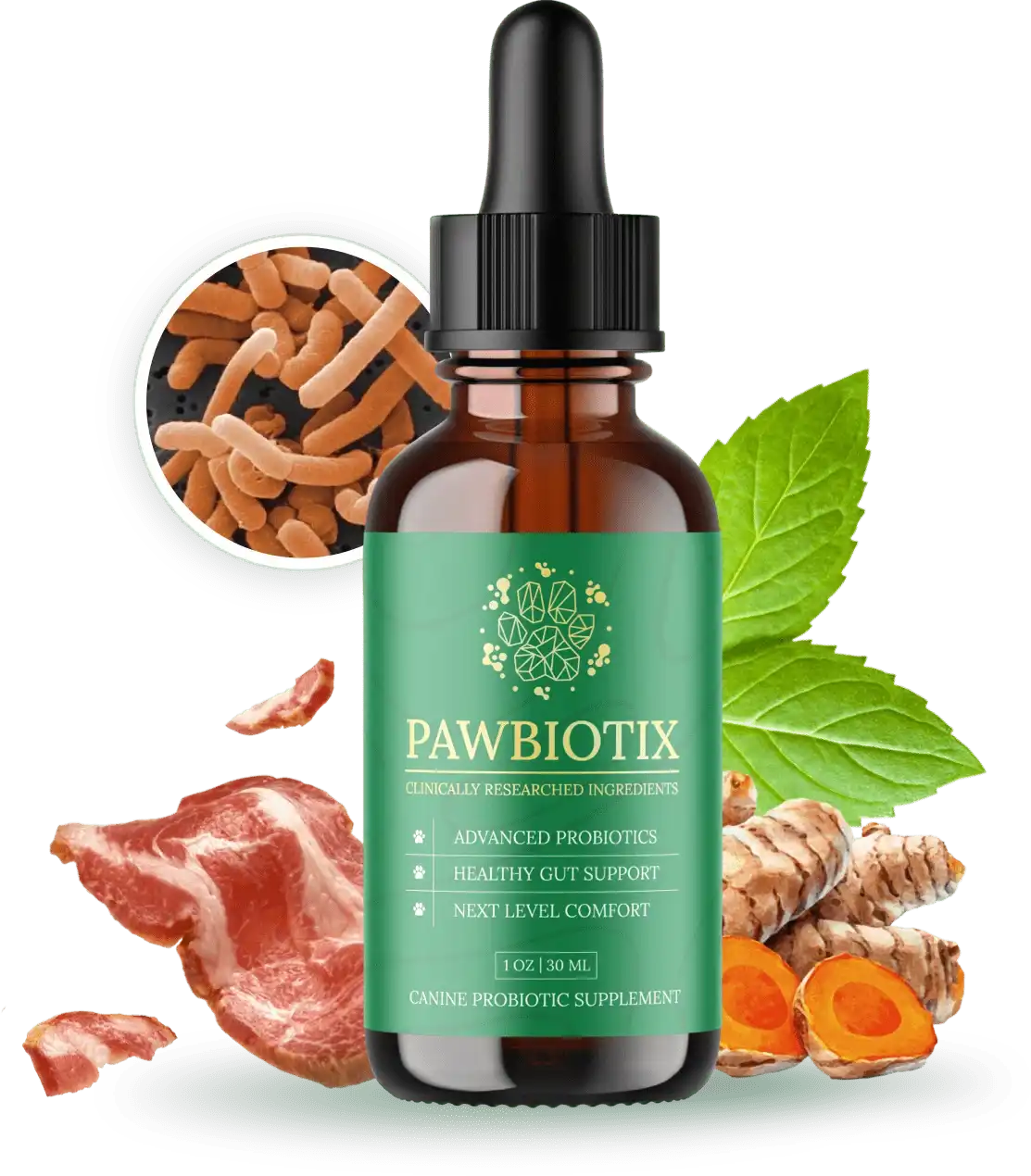
Introducing PawBiotix: A Natural Aid for Digestive & Immune Health
While dietary changes are paramount, targeted supplementation can provide powerful support for dogs struggling with food allergies. PawBiotix is formulated to address the core issues of gut health and immune response.
PawBiotix is a natural supplement designed to support your dog's digestive and immune systems, which are often at the root of allergic reactions. It contains a blend of powerful ingredients, including probiotics, prebiotics, and other natural compounds known for their beneficial effects on gut health, inflammation, and immune modulation. By restoring balance to the gut microbiome and strengthening the gut barrier, PawBiotix aims to reduce the body's overreaction to allergens, thereby alleviating symptoms like itching, skin irritation, and digestive upset. Many pet owners have shared positive experiences, as documented in various dog probiotic supplement reviews, highlighting improvements in their dogs' coat, digestion, and overall comfort.
The unique formulation of PawBiotix is carefully selected to provide comprehensive support. It's not just about adding probiotics; it's about creating an optimal environment for those probiotics to thrive and for the gut to heal. This holistic approach helps to address the underlying causes of canine digestive issues and immune problems, rather than just masking the symptoms. When combined with an appropriate diet, supplements like PawBiotix can be a game-changer for dogs suffering from chronic food allergies, helping them regain their vitality and comfort. To learn more about how PawBiotix works and its efficacy, you might want to read a detailed PawBiotix review: Does It Work?
Key Ingredients in PawBiotix for Allergy & Gut Support
PawBiotix features a blend of scientifically-backed ingredients chosen for their ability to support canine digestive health, boost immunity, and help alleviate allergy symptoms naturally.
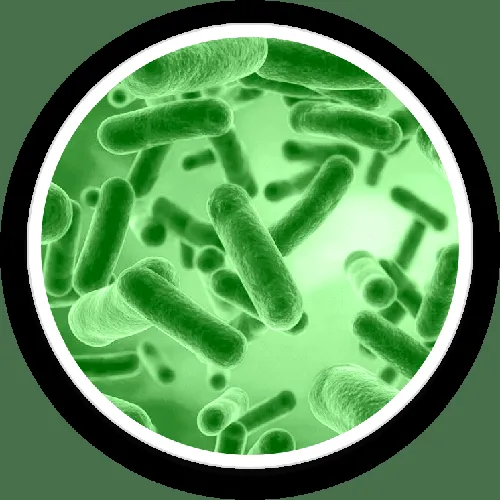
Bacillus Coagulans
Role: A highly stable probiotic strain that survives stomach acid to reach the intestines, where it supports a healthy gut microbiome, aids digestion, and strengthens the gut barrier, crucial for immune modulation and reducing allergic responses.
1 Billion CFU per serving
Chlorella Powder
Role: A nutrient-dense green algae known for its detoxifying properties. It helps remove heavy metals and toxins from the body, supports immune function, and provides a rich source of vitamins, minerals, and antioxidants that can reduce inflammation.
500mg - 1000mg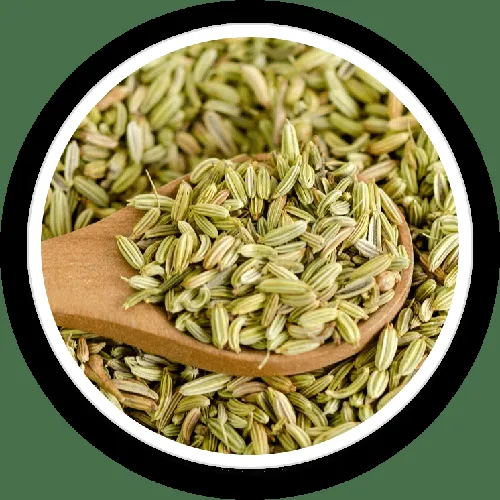
Fennel Seed Powder
Role: Traditionally used to soothe digestive upset, reduce gas, and alleviate bloating. Its anti-inflammatory properties can calm an irritated gut, supporting better digestion and reducing gastrointestinal symptoms often associated with allergies.
100mg - 250mg
Organic Kelp Powder
Role: A rich source of essential minerals, trace elements, and amino acids, including iodine, which supports thyroid health and metabolism. It also acts as a prebiotic, feeding beneficial gut bacteria, and its antioxidants contribute to overall immune strength.
200mg - 400mg
Sodium Copper Chlorophyllin
Role: A derivative of chlorophyll, known for its powerful antioxidant and anti-inflammatory effects. It helps cleanse the body, neutralize odors, and supports cellular health, contributing to a reduction in systemic inflammation and skin irritation.
50mg - 150mg
Turmeric Root Extract
Role: Contains curcumin, a potent anti-inflammatory and antioxidant compound. It helps reduce inflammation throughout the body, including the gut and skin, which is vital for alleviating allergy symptoms and supporting overall immune balance.
100mg - 250mg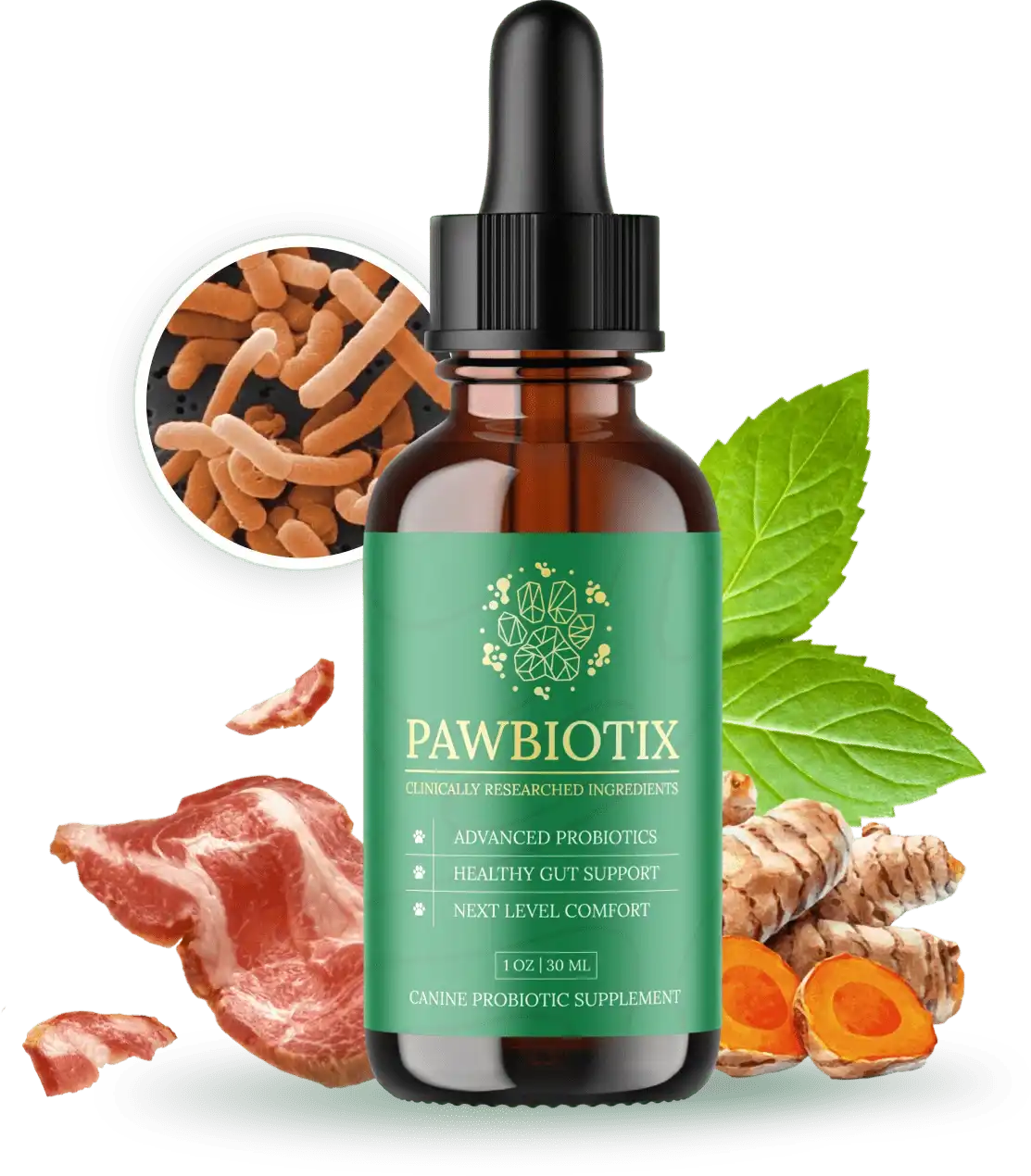
Give Your Dog the Gift of Comfort: Try PawBiotix Today
Don't let dog food allergies continue to diminish your beloved companion's quality of life. PawBiotix offers a powerful, natural solution to support their digestive health, strengthen their immune system, and help them find lasting relief from uncomfortable symptoms.
- ✓ Supports a healthy gut microbiome
- ✓ Helps reduce itching, skin irritation & digestive upset
- ✓ Boosts natural immune defenses
- ✓ Made with 100% natural, scientifically-backed ingredients
- ✓ Easy-to-administer chews with a delicious bacon flavor




What Happy Pet Parents Are Saying About PawBiotix
"My Golden Retriever, Charlie, suffered from constant itching and ear infections for years. We tried everything! After just a few weeks on PawBiotix, his itching has dramatically reduced, and his ears finally look healthy. He's a much happier dog!"
"My French Bulldog always had a sensitive stomach and loose stools. PawBiotix has made a huge difference! His digestion is so much better, and he has more energy. I'm so relieved to see him comfortable."
"I was skeptical at first, but my vet suggested trying a probiotic for my allergic Beagle. PawBiotix was a game-changer. Her skin is less red, her coat is shinier, and she's not constantly scratching. Highly recommend!"
Frequently Asked Questions
What are the most common signs of food allergies in dogs?
+Canine food allergies often manifest as chronic itching (especially paws, ears, and hindquarters), recurrent ear infections, skin rashes, hot spots, hair loss, and gastrointestinal issues like vomiting, diarrhea, and excessive gas. Less common signs can include hyperactivity or behavioral changes.
How is a food allergy diagnosed in dogs?
+The gold standard for diagnosing food allergies is an elimination diet. This involves feeding your dog a novel protein and carbohydrate source (ingredients they've never eaten before) for 8-12 weeks. If symptoms resolve, previous foods are reintroduced one by one to identify the trigger. Blood or saliva tests are generally not considered reliable for food allergies.
Can a dog develop a food allergy later in life?
+Yes, dogs can develop food allergies at any age, even to foods they have eaten for years without issue. Allergies are often a result of repeated exposure to an allergen over time, leading the immune system to mistakenly identify a harmless food protein as a threat.
What role does gut health play in canine food allergies?
+The gut is home to about 70-80% of a dog's immune system. A healthy gut barrier prevents undigested food particles and toxins from entering the bloodstream, where they can trigger immune responses. An imbalance in gut flora (dysbiosis) or a "leaky gut" can contribute significantly to the development and severity of food allergies and sensitivities.
Are there natural ways to support my dog's immune system and digestion?
+Absolutely. Natural approaches include feeding a high-quality, species-appropriate diet, incorporating prebiotics and probiotics (like those found in PawBiotix) to balance gut flora, adding omega-3 fatty acids for anti-inflammatory benefits, and using herbal remedies like turmeric or spirulina. Minimizing stress and exposure to environmental toxins also helps.
How long does it take to see improvement after changing a dog's diet or starting supplements?
+While some dogs may show slight improvement within a few weeks, it typically takes 8 to 12 weeks on a strict elimination diet or consistent supplement regimen to see significant and lasting changes in food allergy symptoms. Consistency is key, and it's important to avoid any unauthorized treats or foods during this period.
Related Articles