Is your dog suffering from frequent stomach upsets?
Few things are as disheartening for a pet owner as watching their beloved canine companion struggle with persistent digestive issues. The sounds of a rumbling tummy, the sudden urge to vomit, or the distress of diarrhea can turn a playful pup into a lethargic, uncomfortable shadow of their former self. It's not just a nuisance; it's a clear sign that something is amiss within their delicate system.
Understanding why your dog's stomach is always upset is the first step towards providing lasting relief. Often, these recurring problems point to deeper issues, particularly concerning their gut microbiome imbalances and overall immune health. By identifying the common triggers, we can better equip ourselves to support our dogs' digestive wellness naturally.

The Canine Gut: A Foundation for Health
Before diving into triggers, it's essential to understand the pivotal role of your dog's gut. Far more than just a digestive tract, the canine gut is a complex ecosystem, home to trillions of bacteria, fungi, and other microorganisms collectively known as the gut microbiome.
This intricate community is responsible for breaking down food, absorbing nutrients, producing essential vitamins, and even communicating with the brain. Crucially, a staggering 70-80% of a dog's immune system resides within its gut. This means that an imbalanced or unhealthy gut can lead to a cascade of problems, not just digestive upset, but also compromised immunity, skin issues, allergies, and even behavioral changes.
When this delicate balance is disrupted – a state known as dysbiosis – your dog becomes vulnerable to a host of health challenges. Persistent inflammation, poor nutrient absorption, and a weakened immune response are common consequences, manifesting often as that dreaded "upset stomach."
Common Triggers for Your Dog's Upset Stomach
Identifying the specific cause of your dog's digestive distress can be challenging, but a careful examination of their diet, environment, and lifestyle can often reveal the culprit. Here are some of the most common triggers:
1. Dietary Indiscretion and Sudden Food Changes
One of the most frequent reasons for an upset stomach is when a dog eats something they shouldn't. This could be anything from garbage, table scraps (especially fatty or spicy foods), toxic plants, or even non-food items like toys or socks. Their digestive system isn't designed to handle these foreign substances, leading to irritation, vomiting, and diarrhea.
Equally disruptive are sudden changes in diet. A dog's gut flora adapts to the food it regularly consumes. Introducing a new food too quickly, without a gradual transition period, can shock the system, causing an imbalance in gut bacteria and subsequent digestive upset. Always transition new foods over 7-10 days, slowly mixing in increasing amounts of the new food with decreasing amounts of the old.
2. Food Allergies and Sensitivities
Unlike dietary indiscretion, food allergies and sensitivities are immune responses to specific ingredients, often common proteins like chicken, beef, dairy, or gluten. Symptoms can range from chronic vomiting, diarrhea, and excessive gas to skin irritations, itching, and ear infections. It's a persistent problem that requires careful dietary management.
An elimination diet, conducted under veterinary guidance, is often the most effective way to identify specific allergens. Once identified, avoiding these trigger ingredients is crucial for restoring gut health and preventing further upset.
3. Stress and Anxiety
Yes, dogs can get stress-induced stomach aches too! Just like humans, a dog's emotional state is intimately linked to its gut health. Anxiety caused by separation, loud noises, changes in routine, moving to a new home, or even a new family member can manifest as digestive upset. This connection is often referred to as the gut-brain axis.
When stressed, a dog's body releases hormones that can alter gut motility, increase inflammation, and disrupt the delicate balance of the gut microbiome. This can lead to symptoms like diarrhea, vomiting, or a decrease in appetite. Addressing the source of stress through training, enrichment, and a stable environment is vital.
4. Parasitic, Bacterial, or Viral Infections
The canine world is full of microscopic threats that can wreak havoc on a dog's digestive system. Common culprits include intestinal parasites like worms (roundworms, hookworms, whipworms, tapeworms) or protozoa (Giardia, Coccidia). These organisms irritate the gut lining, absorb nutrients, and can cause severe diarrhea, vomiting, and weight loss.
Bacterial infections (e.g., Salmonella, E. coli) and viral infections (e.g., Canine Parvovirus, Canine Distemper Virus) are also major causes of acute and severe gastrointestinal distress. Regular deworming, vaccinations, and good hygiene practices are essential preventative measures. If an infection is suspected, prompt veterinary diagnosis and treatment are critical.
5. Medications and Toxins
Certain medications, particularly antibiotics and non-steroidal anti-inflammatory drugs (NSAIDs), can upset a dog's stomach. Antibiotics, while necessary to fight infections, can indiscriminately kill off beneficial gut bacteria along with the bad, leading to dysbiosis and digestive upset. NSAIDs can sometimes irritate the stomach lining.
Exposure to environmental toxins, such as pesticides, cleaning products, or even certain household plants, can also cause severe gastrointestinal symptoms. Always keep hazardous substances out of your dog's reach and be aware of potential dangers in your home and yard.
6. Inflammatory Bowel Disease (IBD) and Other Chronic Conditions
For some dogs, an upset stomach isn't just a temporary issue but a symptom of a chronic underlying condition like Inflammatory Bowel Disease (IBD). IBD involves chronic inflammation of the digestive tract, leading to persistent vomiting, diarrhea, weight loss, and poor appetite. It's often managed with a combination of dietary changes, medication, and immune support.
Other chronic conditions, such as pancreatitis, kidney disease, liver disease, or even certain cancers, can also manifest with gastrointestinal symptoms. If your dog's digestive issues are recurrent or severe, a thorough veterinary examination is essential to rule out these serious conditions.
💡 Key Takeaway
Persistent digestive upset in dogs is often a symptom of underlying issues, ranging from diet and stress to infections and chronic conditions. A healthy gut microbiome is central to a dog's overall health and immune function. Identifying and addressing these triggers is crucial for restoring your dog's comfort and vitality.
Beyond the Symptoms: The Broader Impact of Poor Gut Health
An upset stomach is merely the most obvious sign of an imbalanced gut. The repercussions of poor canine gut health extend far beyond occasional vomiting or diarrhea, influencing nearly every aspect of your dog's well-being.
Compromised Immune System
With the majority of immune cells residing in the gut, an unhealthy digestive tract directly weakens your dog's ability to fight off infections, recover from illness, and respond effectively to vaccinations. This can lead to more frequent sickness and slower healing times.
Skin Allergies and Coat Problems
Many seemingly unrelated issues, such as chronic itching, hot spots, excessive shedding, and a dull coat, can originate from an imbalanced gut. A compromised gut barrier can allow undigested food particles and toxins to leak into the bloodstream, triggering systemic inflammatory responses that affect the skin.
Nutrient Deficiencies
Even if your dog eats a high-quality diet, a damaged gut cannot efficiently absorb essential vitamins, minerals, and other nutrients. This can lead to various deficiencies, impacting energy levels, bone health, organ function, and overall vitality, making them lethargic and weak.
Behavioral Issues and Mood Swings
The gut-brain axis means that gut health directly influences mood and behavior. Dysbiosis can affect neurotransmitter production, potentially leading to increased anxiety, aggression, hyperactivity, or a general lack of enthusiasm. A happy gut often means a happy dog.
Weight Management Challenges
An unhealthy gut can interfere with metabolism and appetite regulation. Dogs might struggle with unexplained weight loss due to poor absorption or, conversely, gain weight due to altered metabolic processes. This makes achieving and maintaining an ideal body condition difficult.
Increased Risk of Chronic Diseases
Long-term gut inflammation and dysbiosis are linked to an increased risk of developing more serious chronic conditions, including inflammatory bowel disease (IBD), autoimmune disorders, and even certain types of cancer. Early intervention to support gut health is a crucial preventative measure.
Understanding these far-reaching effects underscores the importance of not dismissing an upset stomach as a minor inconvenience. It's a signal that your dog's internal ecosystem needs attention and support to thrive.
Holistic Approaches to Support Your Dog's Digestive Health
Once potential triggers are identified, a multi-faceted approach is often most effective in restoring your dog's digestive comfort and preventing future upsets. This involves dietary adjustments, lifestyle changes, and targeted supplementation.
1. Optimized Nutrition
This is arguably the most critical step. Ensure your dog is on a high-quality, easily digestible diet appropriate for their age, breed, and activity level. Look for foods with whole, identifiable ingredients and avoid artificial preservatives, colors, and excessive fillers. Consider novel protein sources if food sensitivities are suspected.
For dogs with sensitive stomachs, a bland diet of boiled chicken and plain white rice can provide temporary relief during acute episodes. Gradually reintroduce their regular food once symptoms subside. Always ensure fresh water is available to prevent dehydration, especially during bouts of vomiting or diarrhea.
2. Probiotics and Prebiotics
These are cornerstones of gut health. Probiotics are beneficial live bacteria that help restore balance to the gut microbiome, crowding out harmful pathogens and aiding digestion. Prebiotics are non-digestible fibers that act as food for these good bacteria, helping them thrive. Supplementing with a high-quality probiotic-prebiotic blend can significantly improve digestive function and immune response.
For more insights into choosing the right support, you might find our article on the best digestive supplements for dogs helpful.
3. Stress Reduction
Minimizing stress is vital for sensitive dogs. Provide a consistent routine, a safe and quiet space, regular exercise, and mental stimulation. Consider calming aids, pheromone diffusers, or even professional training if anxiety is a significant factor. A relaxed dog is more likely to have a relaxed gut.
4. Regular Veterinary Check-ups and Parasite Control
Routine vet visits allow for early detection of underlying health issues and provide opportunities for preventative care, including regular deworming and vaccinations. Discuss any persistent digestive concerns with your veterinarian to rule out serious conditions and develop a tailored treatment plan.
5. Digestive Enzymes
For dogs with exocrine pancreatic insufficiency (EPI) or other malabsorption issues, digestive enzyme supplements can help break down food more effectively, allowing for better nutrient absorption and reducing digestive strain.
6. Herbal and Natural Remedies
Certain herbs possess natural anti-inflammatory and soothing properties that can support digestive comfort. Ingredients like ginger can help calm nausea, while fennel can reduce gas and bloating. Chlorella and organic kelp provide essential nutrients and detoxifying support, contributing to overall gut health.
For a deeper dive into how natural approaches can alleviate symptoms and promote healing, consider reading about signs of poor gut health in dogs and natural remedies.
Key Ingredients for Digestive & Immune Support
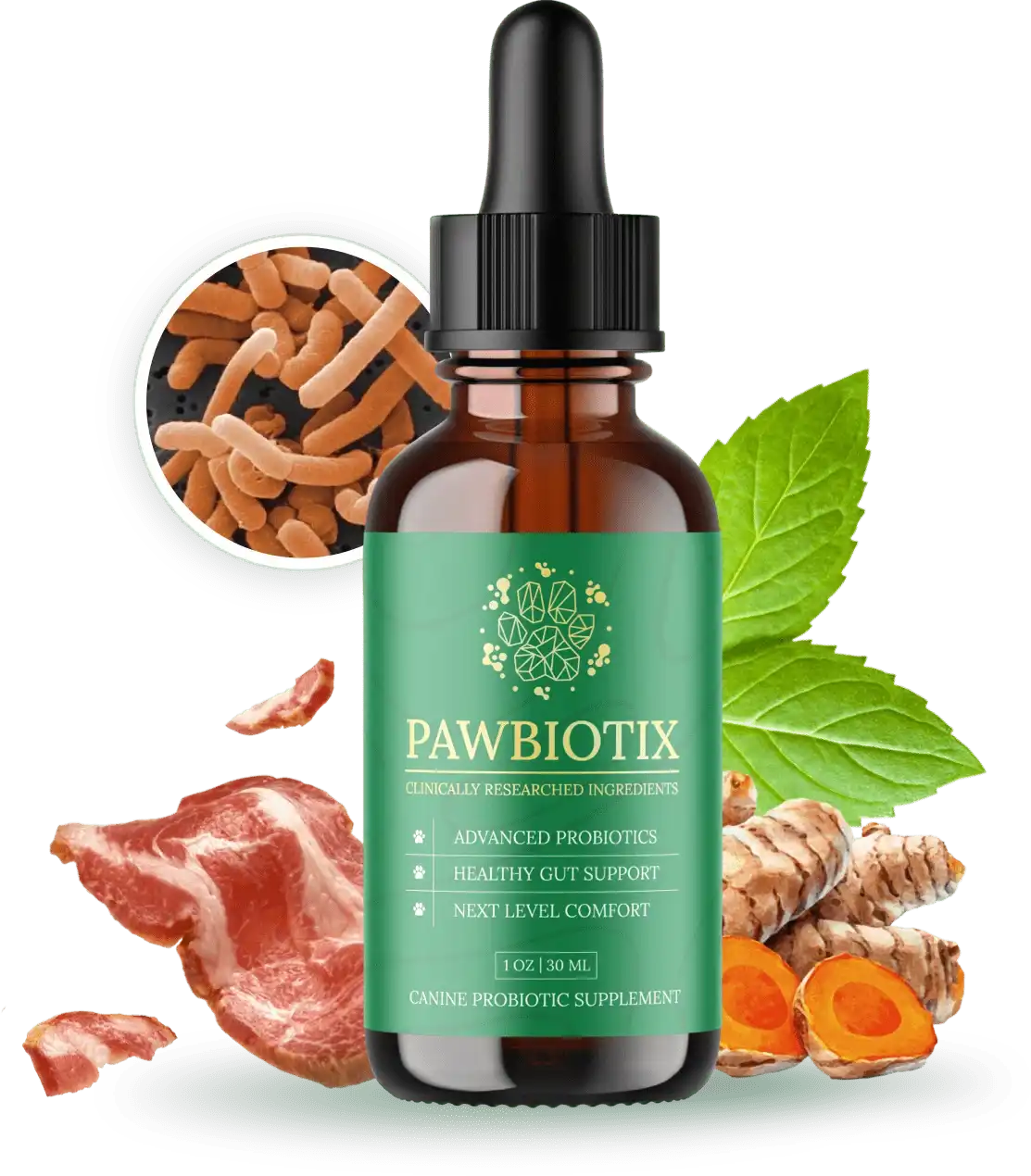
When selecting a supplement to support your dog's gut, it's crucial to look for ingredients backed by science and known for their efficacy. PawBiotix incorporates a synergistic blend of such components:

Bacillus Coagulans
Role: A highly stable, spore-forming probiotic that survives stomach acid to reach the intestines, where it supports a healthy balance of gut flora, aids digestion, and boosts immune function.
Typically 1-2 billion CFUs per serving
Chlorella Powder
Role: A nutrient-dense superfood algae known for its detoxifying properties, helping to bind and eliminate toxins from the body. It supports cellular health and provides a rich source of vitamins and minerals.
Often 100-200 mg per serving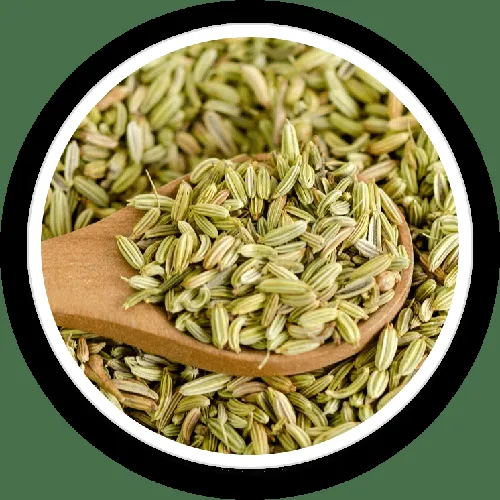
Fennel Seed Powder
Role: Traditionally used to soothe digestive discomfort, reduce gas, bloating, and spasms. It has mild anti-inflammatory properties and can help calm an upset stomach, promoting smoother digestion.
Commonly 50-150 mg per serving
Organic Kelp Powder
Role: A rich source of iodine, trace minerals, and prebiotics. It supports thyroid function, metabolism, and provides dietary fiber that feeds beneficial gut bacteria, contributing to a healthy gut environment.
Typically 50-100 mg per serving
Sodium Copper Chlorophyllin
Role: A derivative of chlorophyll, known for its powerful antioxidant properties and ability to help neutralize internal odors. It supports detoxification pathways and promotes overall cellular health and vitality.
Often 20-50 mg per serving
Turmeric Root Extract
Role: Contains curcumin, a potent anti-inflammatory compound. It helps reduce inflammation in the gut, supports liver function, and provides antioxidant benefits, crucial for a healthy digestive lining.
Usually 50-100 mg per serving (standardized)These ingredients, combined with others like Palmitoylethanolamide (PEA) for anti-inflammatory support and a natural bacon flavor for palatability, make PawBiotix a comprehensive solution for managing canine digestive issues.
Give Your Dog the Gift of Digestive Comfort with PawBiotix
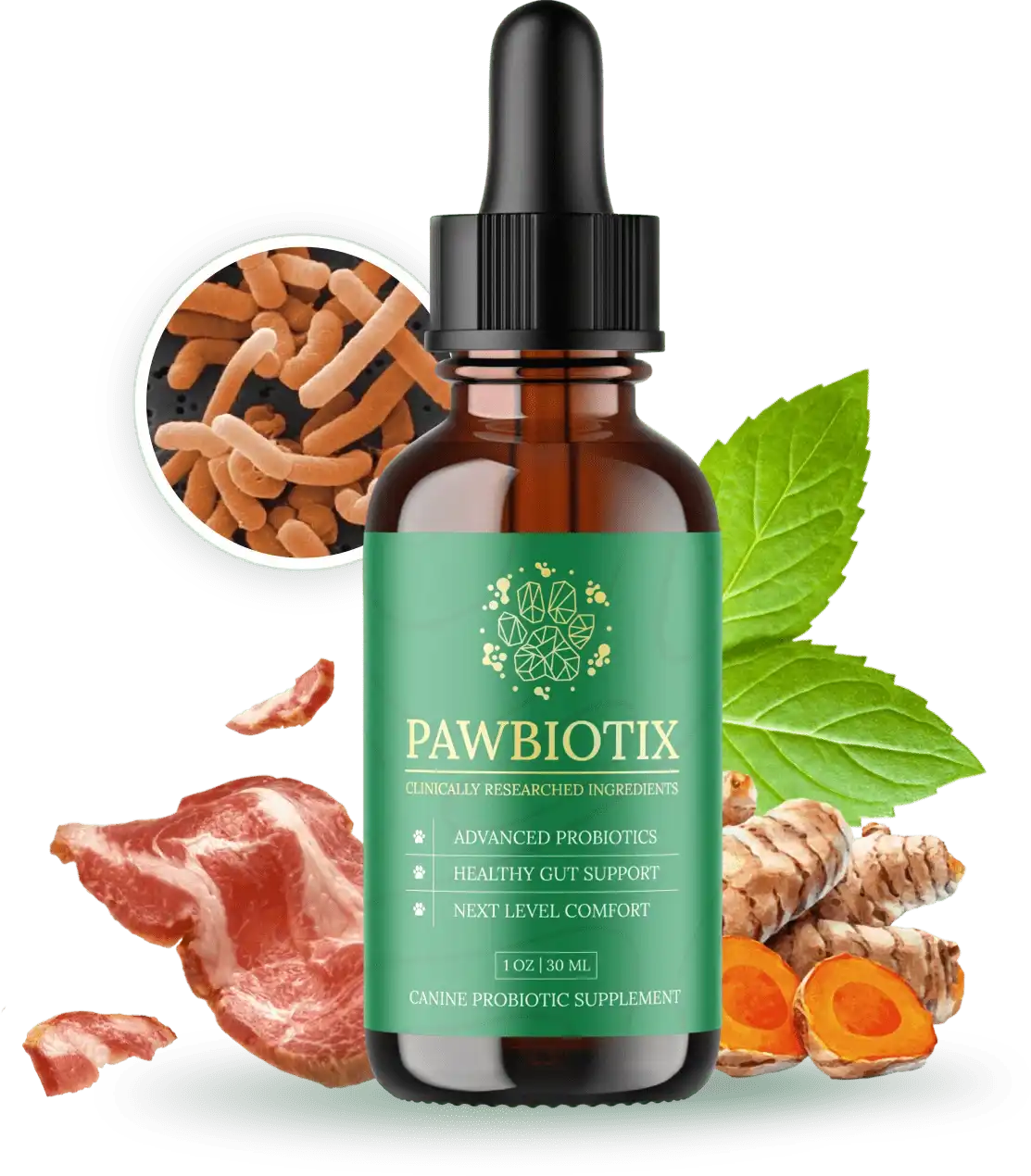
If your dog's persistent upset stomach is a source of worry, it's time to consider a targeted, natural solution. PawBiotix is a veterinarian-formulated, all-natural supplement designed to target the root causes of canine digestive issues and support a balanced gut microbiome, helping your dog feel like their happy, energetic self again.
- Supports healthy digestion & nutrient absorption
- Boosts immune system function and resilience
- Reduces gas, bloating, and discomfort
- Promotes healthy skin and a shiny coat
- Enhances overall vitality and a positive mood




What Happy Paw Parents Are Saying
"My Golden Retriever, Buddy, struggled with chronic loose stools for years. We tried everything! Since starting PawBiotix a few months ago, his digestion has completely transformed. No more accidents, firm stools, and he has so much more energy. It's a miracle!"
"My vet suggested a probiotic for my senior Shih Tzu, who was constantly gassy and had a sensitive stomach. PawBiotix was recommended, and the results are amazing. Less bloating, no more embarrassing smells, and she seems so much happier and comfortable after meals."
"I was skeptical, but my Beagle's recurring vomiting was becoming a major concern. After incorporating PawBiotix into his routine, the episodes have drastically reduced. He loves the taste, which makes it easy to give. Highly recommend for any dog with a finicky tummy!"
Frequently Asked Questions
What are the most common reasons for a dog's upset stomach?
+A dog's upset stomach can stem from various causes, including dietary indiscretion (eating something inappropriate), sudden food changes, food allergies or sensitivities, stress, parasitic infections (like worms or giardia), bacterial or viral infections, inflammatory bowel disease (IBD), or even underlying systemic illnesses. Identifying the specific trigger is crucial for effective treatment and long-term management.
How can diet affect my dog's digestive health?
+Diet plays a paramount role in canine digestive health. Poor quality ingredients, artificial additives, common allergens (like certain proteins or grains), or simply a diet lacking in essential nutrients and fiber can all contribute to an upset stomach. Sudden changes in food can also disrupt the gut microbiome, leading to discomfort. A balanced, high-quality diet tailored to your dog's needs is fundamental for preventing digestive issues.
What role does stress play in canine gut issues?
+Just like in humans, stress can significantly impact a dog's digestive system. Anxiety from separation, changes in environment, new pets, loud noises, or even lack of routine can trigger gastrointestinal upset. Stress can alter gut motility, increase inflammation, and negatively affect the balance of beneficial bacteria, leading to symptoms like diarrhea, vomiting, or reduced appetite. Managing stress is an important part of maintaining digestive well-being.
When should I be concerned about my dog's vomiting or diarrhea?
+While occasional vomiting or mild diarrhea can be common, certain signs warrant immediate veterinary attention. These include persistent vomiting (more than 2-3 times in 24 hours), severe or bloody diarrhea, lethargy, weakness, loss of appetite for more than a day, signs of pain, or if your dog is a puppy or senior, as they are more vulnerable to dehydration. Always consult your vet if you're unsure or your dog's condition worsens.
Are natural remedies effective for dog digestive problems?
+Many natural remedies can be highly effective for supporting canine digestive health, often working synergistically with veterinary care. These can include dietary adjustments (e.g., bland diets), probiotics to balance gut flora, prebiotics to feed beneficial bacteria, digestive enzymes, and herbs like ginger or fennel. The key is to choose high-quality, scientifically-backed ingredients that address the root causes of digestive upset, such as those found in PawBiotix.
How can PawBiotix help with my dog's upset stomach?
+PawBiotix is specifically formulated to address common canine digestive issues by supporting a healthy gut microbiome and immune system. It contains a blend of powerful probiotics, prebiotics, and natural ingredients like Bacillus Coagulans, Chlorella, and Turmeric. These work together to balance gut flora, reduce inflammation, improve nutrient absorption, and fortify the immune system, thereby alleviating symptoms like gas, bloating, and irregular stools, and promoting overall digestive comfort.
Related Articles