Is Your Dog Constantly Itching, Smelling "Yeasty," or Suffering from Recurrent Ear Infections?
If you're a dog owner, you've likely witnessed the frustrating cycle of a dog incessantly scratching, licking their paws, or shaking their head due to persistent ear issues. While these symptoms can point to various conditions, one common culprit that often goes misunderstood is a yeast infection.
What many pet parents don't realize is that these external manifestations are often just the tip of the iceberg, signaling a deeper imbalance within your dog's body, particularly in their gut microbiome and immune system.
Understanding Canine Yeast Infections: More Than Skin Deep
Yeast, specifically a type called Malassezia pachydermatis, is a normal resident on your dog's skin and in their ears. In small, balanced amounts, it's harmless. However, when conditions become favorable for overgrowth, it can lead to a full-blown infection, causing significant discomfort for your beloved pet.
These infections manifest in various ways, from persistent scratching and licking to a distinct, often unpleasant odor. While topical treatments might offer temporary relief, they rarely address the root cause, leading to frustrating recurrences. This is where understanding the profound connection between your dog's gut health and their immune system becomes critical.
What Does a Yeast Infection Look Like in Dogs?
Recognizing the signs of a yeast infection is the first step toward effective treatment. Common areas affected include the ears, paws (especially between the toes), armpits, groin, and skin folds. The symptoms can be quite distinct:
- Intense Itching and Scratching: Your dog may constantly scratch, bite, or lick affected areas, sometimes to the point of self-trauma.
- Red, Inflamed Skin: The skin might appear red, irritated, and greasy.
- "Yeasty" or "Corn Chip" Smell: A very characteristic odor, often described as sweet, musty, or like corn chips, particularly noticeable on the paws.
- Hair Loss and Hyperpigmentation: Chronic infections can lead to hair loss, and the skin may become thickened, leathery, and dark (hyperpigmentation).
- Ear Infections: Recurrent ear infections with dark, waxy discharge and a strong odor are a classic sign of yeast overgrowth.
- Oily Coat: The coat may feel greasy, even after bathing.
If you observe any of these symptoms, it's essential to consult your veterinarian for an accurate diagnosis. They can perform simple tests, such as skin scrapes or ear swabs, to confirm the presence of yeast and rule out other conditions like bacterial infections or mites.
💡 Key Takeaway
Yeast infections in dogs are often a symptom of an underlying systemic imbalance, not just a skin problem. Addressing the root cause, particularly gut health, is crucial for long-term resolution and preventing recurrence.
The Gut-Immune Connection: Why It Matters for Yeast
Your dog's gut is far more than just a digestive organ; it's a complex ecosystem teeming with trillions of microorganisms, collectively known as the gut microbiome. This microbiome plays a pivotal role in digestion, nutrient absorption, and, crucially, immune system regulation. In fact, an estimated 70-80% of a dog's immune system resides in its gut.
When the gut microbiome is balanced, beneficial bacteria keep opportunistic pathogens like yeast in check. They compete for resources, produce beneficial compounds, and strengthen the gut barrier. However, when this delicate balance is disrupted – a state known as dysbiosis – the consequences can be far-reaching.
How Gut Dysbiosis Fuels Yeast Overgrowth
Weakened Immune Response
A compromised gut microbiome leads to a weakened immune system, making your dog less capable of fighting off infections, including yeast. The body's natural defenses are simply overwhelmed.
Leaky Gut Syndrome
Dysbiosis can damage the intestinal lining, leading to "leaky gut" (increased intestinal permeability). This allows undigested food particles, toxins, and yeast metabolites to enter the bloodstream, triggering systemic inflammation and allergic reactions that further exacerbate yeast issues.
Nutrient Malabsorption
An unhealthy gut struggles to absorb essential nutrients, leading to deficiencies that can further compromise immune function and skin health, creating a vicious cycle where yeast thrives.
Inflammation Cascade
An imbalanced gut often leads to chronic low-grade inflammation throughout the body. This inflammation can create an environment conducive to yeast overgrowth, particularly on the skin and in the ears.
Therefore, addressing yeast infections effectively means looking beyond topical creams and antifungal medications. It requires a holistic approach that focuses on restoring balance to your dog's gut, thereby strengthening their immune system from within.
Common Triggers & Risk Factors for Canine Yeast Infections
Understanding what sets the stage for yeast overgrowth can empower you to take preventative measures and support your dog's health proactively.
While the gut-immune connection is foundational, several external and internal factors can directly contribute to or exacerbate yeast infections:
Allergies (Environmental & Food)
Allergies are a leading cause of chronic inflammation and itching, which can disrupt the skin barrier and create an ideal environment for yeast to proliferate. When a dog has an allergic reaction, it often manifests as skin irritation, which can lead to excessive licking and scratching, further damaging the skin and allowing yeast to take hold. Food allergies, in particular, can contribute to systemic inflammation and gut dysbiosis.
Diet High in Carbohydrates & Sugars
Yeast thrives on sugar. Many commercial dog foods, especially kibble, are high in carbohydrates (which break down into sugars) and contain artificial ingredients, fillers, and poor-quality proteins. This type of diet can directly feed yeast populations in the gut and on the skin, making it incredibly difficult to get an infection under control. Shifting to a low-carb, whole-food diet is often a crucial step.
Antibiotic Overuse
While necessary for bacterial infections, antibiotics can indiscriminately wipe out beneficial gut bacteria along with the bad. This creates a vacuum in the gut, allowing yeast (which is unaffected by antibiotics) to multiply rapidly and take over. This is a classic pathway to chronic yeast issues, highlighting the importance of probiotic support during and after antibiotic courses.
Steroids & Immunosuppressants
Medications like corticosteroids, often prescribed for allergies or inflammatory conditions, suppress the immune system. While they can reduce immediate symptoms, they also hinder the body's natural ability to control yeast, making dogs more susceptible to recurrent infections.
Moisture & Humidity
Yeast loves warm, moist environments. Areas like floppy ears, skin folds (common in breeds like Bulldogs or Shar-Peis), and damp paw pads (from licking or wet weather) provide perfect breeding grounds. Ensuring these areas are kept clean and dry is an important part of prevention.
Environmental Toxins
Exposure to pesticides, herbicides, household chemicals, and even poor air quality can put a strain on your dog's detoxification organs and immune system, contributing to systemic inflammation and making them more vulnerable to yeast overgrowth. Minimizing exposure to these toxins is beneficial for overall health.
Identifying and addressing these underlying triggers is paramount for achieving lasting relief from yeast infections. Without tackling these root causes, the cycle of recurrence is likely to continue, no matter how many topical treatments are applied.
Holistic Solutions for Combating Canine Yeast Infections
Successfully managing and preventing yeast infections requires a multi-faceted approach that goes beyond temporary symptom relief. The goal is to restore balance to your dog's internal environment, strengthening their natural defenses.
1. Dietary Overhaul: Starve the Yeast
This is arguably the most critical step. Yeast feeds on sugar, so a diet high in carbohydrates will continually fuel the problem. Consider these changes:
- Low-Carbohydrate Diet: Transition to a high-quality, species-appropriate diet that is low in carbohydrates. This might mean raw, freeze-dried raw, or gently cooked fresh food.
- Eliminate Processed Foods: Avoid kibble with corn, wheat, soy, and other grain fillers. These often contain high levels of starches and sugars.
- Avoid Sugary Treats: Say no to treats with added sugars, honey, molasses, or high-glycemic fruits.
- Focus on Quality Protein & Healthy Fats: Ensure your dog receives adequate protein from animal sources and healthy fats like omega-3s, which are anti-inflammatory.
2. Gut Restoration: Rebalance the Microbiome
A healthy gut is your dog's best defense against yeast overgrowth. This involves:
- High-Quality Probiotics: Introducing beneficial bacteria can help restore balance to the gut microbiome, crowd out yeast, and strengthen the immune system. Look for multi-strain probiotics specifically formulated for dogs. For more on choosing the right supplement, read our article: Best Liquid Probiotic Supplement for Dogs 2026.
- Prebiotics: These are non-digestible fibers that feed beneficial gut bacteria, helping them thrive. Sources include certain vegetables and supplemental fibers.
- Digestive Enzymes: Can aid in breaking down food, improving nutrient absorption, and reducing the burden on the digestive system.
- Gut-Healing Nutrients: Ingredients like L-Glutamine, bone broth, and specific herbs can help repair a damaged gut lining.
3. Immune System Support: Bolster Defenses
A strong immune system is essential for keeping yeast in check:
- Antioxidants: Found in colorful fruits and vegetables, antioxidants combat oxidative stress and inflammation.
- Omega-3 Fatty Acids: EPA and DHA from fish oil are powerful anti-inflammatory agents that support skin health and immune function.
- Vitamins & Minerals: Ensure your dog is receiving adequate vitamins (especially A, C, E) and minerals (zinc, selenium) crucial for immune health.
- Herbal Support: Certain herbs possess immune-modulating properties.
4. Topical Management: Symptom Relief & Prevention
While not a cure, topical treatments can provide much-needed relief and help manage yeast on the skin and ears:
- Antifungal Shampoos/Rinses: Your vet may prescribe or recommend medicated shampoos containing ingredients like chlorhexidine or miconazole. Natural alternatives like diluted apple cider vinegar rinses can also be helpful.
- Paw Soaks: For yeasty paws, regular soaks in solutions like Epsom salts or diluted apple cider vinegar can reduce itching and yeast load.
- Ear Cleaners: Use vet-approved ear cleaners to keep ears dry and free of debris, especially for dogs prone to ear infections.
5. Address Underlying Allergies
Work with your vet to identify and manage any underlying allergies. This might involve elimination diets, allergy testing, or environmental management to reduce exposure to allergens. For more comprehensive insights into poor gut health and its remedies, explore our article: Signs of Poor Gut Health in Dogs & Natural Remedies.
Introducing PawBiotix: A Natural Approach to Gut & Immune Health
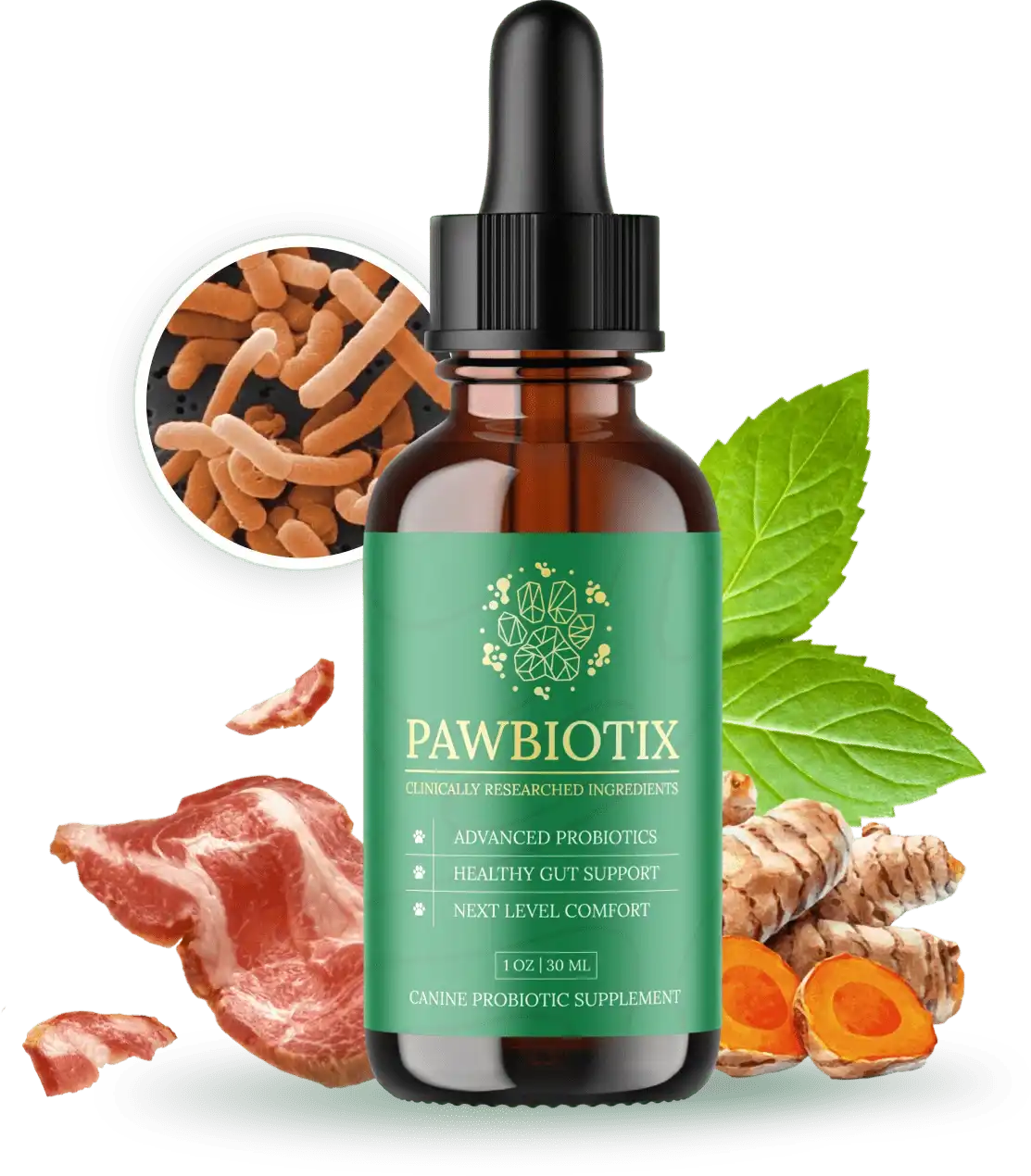
In the pursuit of holistic solutions for canine health, supporting the gut microbiome is paramount. PawBiotix is a carefully formulated supplement designed to address the foundational aspects of your dog's well-being, particularly gut health and immune function, which are intrinsically linked to conditions like yeast overgrowth. By providing a blend of beneficial probiotics, prebiotics, and natural ingredients, PawBiotix aims to create an internal environment where yeast struggles to thrive, allowing your dog's natural defenses to flourish.
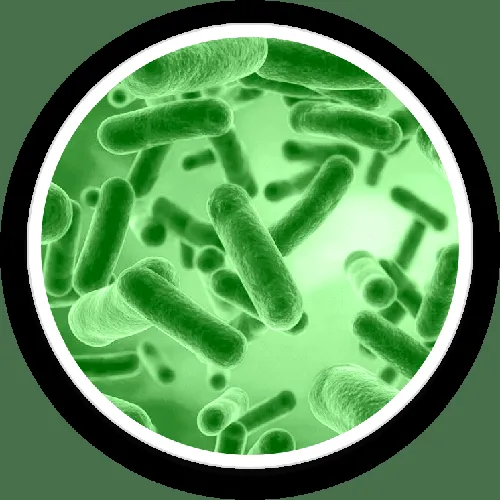
Bacillus Coagulans
Role: A highly resilient probiotic strain that survives stomach acid to reach the intestines, where it supports a healthy microbial balance, aids digestion, and strengthens the immune system. Crucial for outcompeting harmful bacteria and yeast.
5-10 Billion CFUs
Chlorella Powder
Role: A potent detoxifier that helps bind to and remove toxins from the body, reducing the burden on the immune system and supporting overall cellular health. Its rich nutrient profile also provides essential vitamins and minerals.
100-200 mg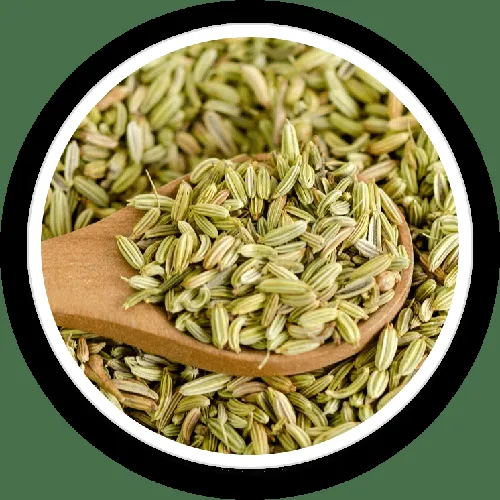
Fennel Seed Powder
Role: Known for its digestive benefits, fennel helps soothe the digestive tract, reduce gas and bloating, and supports healthy gut motility. It also possesses mild antimicrobial properties that can help maintain gut balance.
50-150 mg
Organic Kelp Powder
Role: A rich source of essential minerals, including iodine, which supports thyroid function and metabolism. Kelp also acts as a prebiotic, feeding beneficial gut bacteria and promoting a diverse microbiome, vital for immune health.
50-100 mg
Sodium Copper Chlorophyllin
Role: A powerful natural deodorizer that can help reduce the "yeasty" smell associated with infections. It also has antioxidant properties and supports detoxification, contributing to a healthier internal environment.
20-50 mg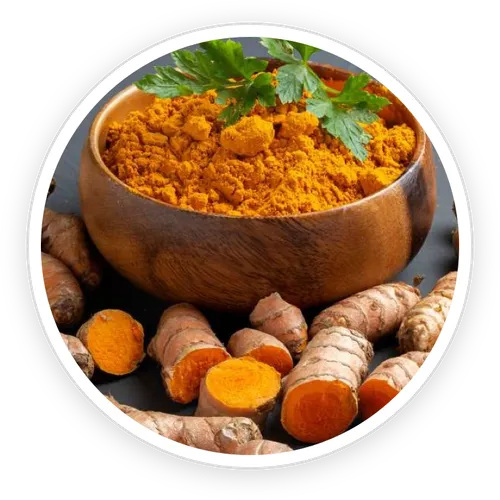
Turmeric Root Extract
Role: Contains curcumin, a potent anti-inflammatory compound. Turmeric helps reduce systemic inflammation, which is often a contributing factor to yeast overgrowth and discomfort. It also supports liver function and overall immune health.
50-100 mgBy synergistically combining these natural ingredients, PawBiotix offers comprehensive support for your dog's digestive system and immune response, fostering an environment where yeast is less likely to flourish. This targeted approach helps address the underlying imbalances that often lead to recurrent yeast infections, promoting long-term health and comfort for your canine companion. For a deeper dive into the full list of ingredients and their benefits, refer to our detailed article: PawBiotix Ingredients: Probiotics, Prebiotics & More for Dog Gut Health.
Give Your Dog the Gift of Better Gut Health with PawBiotix
Don't let yeast infections diminish your dog's quality of life. PawBiotix offers a powerful, natural solution to support their gut microbiome and immune system, helping to address the root causes of discomfort and promote lasting health.
- ✓ Supports a balanced gut microbiome
- ✓ Strengthens immune response against pathogens
- ✓ Reduces itching, scratching, and "yeasty" odor
- ✓ Promotes healthy skin and coat
- ✓ All-natural, vet-formulated ingredients




Happy Pups, Happy Pet Parents: Real Stories
"My Golden Retriever, Charlie, suffered from chronic ear infections and constantly licked his paws. We tried everything! After a month on PawBiotix, the 'corn chip' smell is gone, and he's barely scratching. It's truly a miracle for his gut!"
"I was skeptical, but my vet suggested improving my Beagle's gut health to tackle his recurring skin yeast. PawBiotix made a noticeable difference. His coat is shinier, his skin is less red, and he's much more comfortable. Highly recommend!"
"Our French Bulldog always had issues with skin folds and a distinct smell. Since starting PawBiotix, the smell has significantly reduced, and his skin looks much healthier. It's a game-changer for his overall comfort and happiness."
Frequently Asked Questions
What causes yeast infections in dogs?
+Yeast infections in dogs, primarily caused by Malassezia pachydermatis, often stem from an underlying imbalance in the dog's immune system and gut microbiome. Factors like allergies, poor diet, excessive antibiotic use, compromised immune function, and moist environments (e.g., ear canals, skin folds) can contribute to an overgrowth of yeast.
How does gut health relate to canine yeast infections?
+The gut is home to a vast microbiome that plays a crucial role in immune function. An unhealthy gut, characterized by an imbalance of beneficial and harmful bacteria (dysbiosis), can weaken the immune system, making it harder for the body to control yeast populations. A strong gut barrier and diverse microbiome are essential for systemic health and preventing yeast overgrowth.
What are common symptoms of yeast infections in dogs?
+Symptoms can vary depending on the location but commonly include intense itching, redness, greasy skin, a distinctive "yeasty" or "corn chip" smell, hair loss, thickened or discolored skin (hyperpigmentation), and recurrent ear infections. Affected areas are often paws, ears, skin folds, and armpits.
Can diet impact yeast infections in dogs?
+Absolutely. A diet high in carbohydrates and sugars can feed yeast, exacerbating an overgrowth. Conversely, a balanced, species-appropriate diet rich in whole foods, quality proteins, and healthy fats, with minimal processed ingredients, can help starve yeast and support a healthy gut microbiome.
What natural solutions can help manage canine yeast infections?
+Natural solutions focus on supporting the dog's overall health and rebalancing the microbiome. This includes dietary changes (low-carb, whole foods), targeted supplements like probiotics and prebiotics to restore gut flora, immune support, topical treatments (e.g., apple cider vinegar rinses, medicated shampoos), and addressing underlying allergies or environmental triggers.
How long does it take to clear a yeast infection in a dog?
+The duration varies widely depending on the severity of the infection, the underlying cause, and the consistency of treatment. Mild cases might improve in a few weeks with topical treatments and dietary changes. Chronic or severe cases, especially those linked to deep-seated immune or gut issues, can take several months of dedicated holistic care to fully resolve and prevent recurrence.
Related Articles