Is Your Dog's Digestive System Secretly Suffering?
As loving pet parents, we strive to provide our canine companions with the best possible life. Often, we focus on visible aspects like a shiny coat, strong muscles, and boundless energy. However, beneath the surface, one of the most critical systems for their overall well-being, their digestive system, might be struggling silently. A healthy gut is the cornerstone of a dog's vitality, influencing everything from nutrient absorption to immune response and even mood.
Understanding canine gut health isn't just about preventing occasional upset stomachs; it's about fostering a thriving internal ecosystem. When this delicate balance is disrupted, it can lead to a cascade of issues, impacting everything from their energy levels to their skin and coat. Fortunately, there's a powerful and natural solution gaining significant recognition: probiotics for dogs. These beneficial microorganisms play a pivotal role in maintaining digestive harmony and supporting overall health.
The Foundation of Fido's Health: Understanding the Canine Gut Microbiome
Your dog's gut is a complex and fascinating ecosystem, home to trillions of microorganisms, including bacteria, fungi, and viruses. Collectively known as the gut microbiome, these tiny inhabitants play an enormous role in your dog's overall health and well-being. It's far more than just a digestive organ; it's a central command center for health.
The balance between beneficial and harmful bacteria in the gut is crucial. A thriving microbiome, rich in diverse beneficial bacteria, helps your dog in numerous ways. It aids in the efficient breakdown of food, ensuring optimal absorption of vital nutrients like vitamins, minerals, and fatty acids. Without this proper breakdown, even the highest quality food might not be fully utilized by your dog's body, leading to nutritional deficiencies despite adequate intake. This can manifest as unexplained weight loss, poor coat quality, or low energy levels. The gut also acts as a primary barrier against pathogens, preventing harmful bacteria and toxins from entering the bloodstream and causing systemic issues.
Beyond digestion, the gut microbiome is intrinsically linked to the immune system. Approximately 70% of a dog's immune cells reside in the gut-associated lymphoid tissue (GALT). A healthy gut microbiome trains and modulates the immune system, helping it distinguish between harmless substances and dangerous invaders. This means a balanced gut can lead to a stronger, more resilient immune response, making your dog less susceptible to infections, allergies, and even certain autoimmune conditions. The gut-brain axis is another fascinating connection, where the gut communicates directly with the brain, influencing mood, behavior, and cognitive function. Imbalances in gut flora have been linked to anxiety, aggression, and other behavioral issues in dogs, highlighting the profound impact of gut health on their mental state.
Furthermore, a healthy gut is essential for the synthesis of certain vitamins, such as B vitamins and Vitamin K, which are vital for various metabolic processes. It also plays a key role in detoxifying the body and eliminating waste products efficiently. When the gut microbiome is out of balance, a condition known as dysbiosis, these critical functions can be compromised, paving the way for a host of health problems. Understanding and nurturing this intricate internal world is the first step towards ensuring your canine companion lives a long, healthy, and happy life. Many pet owners are seeking effective pet health remedies that work, and gut health is often a foundational piece of that puzzle.
Common Canine Digestive Disorders: Signs and Symptoms
While some digestive upsets in dogs can be minor and temporary, persistent or severe symptoms often indicate an underlying issue with their gut health. Recognizing these signs early is crucial for prompt intervention and preventing more serious conditions.
One of the most common digestive complaints is diarrhea, which can range from soft stools to watery, explosive bowel movements. It can be acute (sudden onset) or chronic (lasting for weeks or months). While acute diarrhea might be due to dietary indiscretion, stress, or a mild infection, chronic diarrhea often points to deeper issues like food sensitivities, inflammatory bowel disease (IBD), or severe dysbiosis. Conversely, constipation, characterized by infrequent, strained, or hard stools, is also a sign of digestive distress. It can be caused by lack of fiber, dehydration, lack of exercise, or even pain during defecation.
Vomiting is another clear indicator that something is amiss. Occasional vomiting might be normal, but frequent vomiting, especially accompanied by lethargy, loss of appetite, or abdominal pain, warrants immediate veterinary attention. It could signal anything from dietary intolerance to pancreatitis or an intestinal obstruction. Beyond these obvious symptoms, more subtle signs can also point to gut health problems. Excessive gas and bloating, often accompanied by gurgling stomach noises, indicate fermentation imbalances and difficulty processing food. Dogs might also lick their lips excessively, pace, or exhibit discomfort after eating.
Digestive issues can also manifest externally. Persistent skin problems like itching, rashes, hot spots, and a dull, dry coat can often be traced back to an unhealthy gut. The gut-skin axis suggests that inflammation originating in the digestive tract can trigger inflammatory responses elsewhere in the body, including the skin. Similarly, food allergies and intolerances are frequently linked to a compromised gut barrier, allowing undigested food particles to enter the bloodstream and trigger an immune reaction. Dogs might also display lethargy, weight loss, or poor appetite, as their bodies struggle to absorb nutrients from their food. Even behavioral changes, such as increased anxiety or irritability, can be connected to gut imbalances through the gut-brain axis.
If you observe any of these symptoms in your dog, it's essential to consult with your veterinarian to determine the underlying cause and develop an appropriate treatment plan. Early diagnosis and intervention can prevent chronic issues and significantly improve your dog's quality of life. Understanding these signs empowers you to be a more proactive and informed pet parent.
What Disrupts Your Dog's Gut Balance? Understanding the Causes of Dysbiosis
The delicate equilibrium of your dog's gut microbiome is surprisingly fragile and can be easily thrown off balance by a variety of factors. This imbalance, known as dysbiosis, is a root cause of many digestive and systemic health problems. Identifying these disruptors is key to mitigating their impact and restoring gut harmony.
One of the most significant culprits is diet. Many commercial dog foods, particularly those high in highly processed ingredients, artificial additives, fillers, and low-quality proteins, can negatively impact gut flora. These diets often lack the diverse fiber and whole nutrients that beneficial bacteria thrive on, while potentially feeding undesirable microbes. Sudden changes in diet can also shock the digestive system, leading to temporary dysbiosis. Furthermore, specific food allergens or intolerances can trigger inflammation in the gut, damaging the intestinal lining and disrupting microbial balance.
Stress, whether environmental (e.g., moving, new pet, loud noises) or physiological (e.g., pain, illness), directly affects the gut-brain axis. Chronic stress can alter gut motility, increase intestinal permeability (leaky gut), and shift the composition of the microbiome, often leading to an increase in harmful bacteria and a decrease in beneficial ones. This creates a vicious cycle where stress impacts the gut, and an unhealthy gut exacerbates stress and anxiety.
The use of antibiotics, while sometimes necessary to combat bacterial infections, is a major disruptor of gut health. Antibiotics are indiscriminate, killing off beneficial bacteria along with the harmful ones. This can leave the gut vulnerable to overgrowth of opportunistic pathogens and yeasts, leading to post-antibiotic diarrhea and long-term dysbiosis. Similarly, other medications, such as NSAIDs (non-steroidal anti-inflammatory drugs) or corticosteroids, can also have adverse effects on gut integrity and microbial balance when used chronically.
Environmental factors, including exposure to toxins and chemicals found in pesticides, herbicides, household cleaners, and even some grooming products, can indirectly impact gut health. These substances can be ingested or absorbed, placing a burden on the liver and digestive system, and potentially altering the gut microbiome. Aging also plays a role; as dogs get older, their digestive efficiency can decline, and the diversity of their gut microbiome may decrease, making them more susceptible to digestive issues.
Finally, various diseases and medical conditions, such as pancreatitis, exocrine pancreatic insufficiency, inflammatory bowel disease (IBD), and parasitic infections, can directly cause or contribute to dysbiosis. These conditions create an inflammatory environment that is detrimental to beneficial gut bacteria. Recognizing these potential disruptors is the first step in protecting your dog's gut health and ensuring their internal ecosystem remains balanced and resilient. For dogs with compromised immune systems, a healthy gut is paramount, as discussed in detail in our article on dog immune support supplements.
💡 Key Takeaway
A healthy canine gut microbiome is vital for digestion, nutrient absorption, and a robust immune system. Disruptions from diet, stress, antibiotics, and environmental factors can lead to dysbiosis, manifesting as digestive issues, skin problems, and even behavioral changes. Probiotics offer a natural way to restore balance and support overall canine health.
The Power of Probiotics: How They Support Canine Digestion
In the quest for optimal canine health, probiotics have emerged as a powerful and natural ally. These live, beneficial microorganisms, when given in adequate amounts, confer a health benefit to the host by actively working to restore and maintain a healthy balance within the gut microbiome.
At their core, probiotics function by introducing or replenishing beneficial bacteria in your dog's digestive tract. This helps to crowd out harmful pathogens and prevent their overgrowth, which is a common cause of digestive upset. By tipping the scales in favor of good bacteria, probiotics help to re-establish a diverse and robust microbial community, essential for smooth digestive processes. They compete with bad bacteria for nutrients and adhesion sites on the intestinal wall, effectively reducing the chances of harmful bacteria colonizing and causing problems.
Beyond simply rebalancing gut flora, probiotics are active participants in digestive health. Many probiotic strains produce beneficial compounds, such as short-chain fatty acids (SCFAs) like butyrate, propionate, and acetate. These SCFAs serve as a primary energy source for the cells lining the colon, strengthening the intestinal barrier, reducing inflammation, and supporting overall gut integrity. A strong intestinal barrier is crucial for preventing "leaky gut," a condition where toxins and undigested food particles can pass into the bloodstream, triggering immune responses and systemic inflammation.
Probiotics also play a direct role in the digestion and absorption of nutrients. Certain strains produce enzymes that further break down food components, making them more accessible for absorption. This can be particularly beneficial for dogs with sensitive stomachs or those who struggle with nutrient assimilation. Furthermore, probiotics can help regulate gut motility, easing both constipation and diarrhea by promoting a more consistent and healthy bowel rhythm. They can also neutralize toxins produced by harmful bacteria, reducing their damaging effects on the gut lining.
The immune-modulating effects of probiotics are equally significant. By interacting with the immune cells in the gut, probiotics help to fine-tune the immune system, making it more effective at fighting off infections while simultaneously reducing excessive inflammatory responses that contribute to allergies and autoimmune conditions. This comprehensive support means that probiotics don't just fix digestive problems; they enhance overall vitality, leading to better energy levels, a healthier coat, and a more resilient dog from the inside out.
Unlocking a Healthier Life: Key Benefits of Probiotics for Dogs
Incorporating probiotics into your dog's daily routine can yield a remarkable array of benefits, extending far beyond just digestive comfort. These microscopic allies contribute significantly to their overall health and longevity.
Improved Digestion & Nutrient Absorption
Probiotics enhance the breakdown of food and aid in the absorption of essential vitamins, minerals, and fatty acids. This means your dog gets more nutritional value from their meals, leading to better energy, healthier weight, and improved overall vitality. They help reduce common issues like gas, bloating, and indigestion.
Stronger Immune System
With a majority of immune cells residing in the gut, a balanced microbiome is crucial for robust immunity. Probiotics stimulate the production of antibodies and immune cells, helping your dog fight off infections, recover faster from illness, and develop a more resilient defense against environmental threats.
Reduced Allergies & Skin Issues
Many skin conditions and allergies in dogs are linked to an imbalanced gut. Probiotics can help regulate the immune response, reducing inflammation that often triggers allergic reactions and skin irritation. This can lead to less itching, fewer hot spots, and a healthier, shinier coat.
Better Mood & Behavior
The gut-brain axis is a powerful connection. A healthy gut microbiome can influence neurotransmitter production and reduce inflammation, potentially leading to a calmer demeanor, reduced anxiety, and improved cognitive function in dogs. This connection can lead to a happier, more well-adjusted pet.
Support During & After Antibiotic Use
Antibiotics, while necessary, can decimate beneficial gut bacteria. Administering probiotics alongside (or shortly after) antibiotics helps replenish the good bacteria, minimizing side effects like diarrhea and preventing long-term dysbiosis, ensuring a quicker recovery of gut health.
Alleviation of Diarrhea and Constipation
Probiotics help regulate bowel movements by restoring balance to the gut flora. They can firm up loose stools and ease constipation, promoting regularity and comfortable elimination. This is particularly helpful for dogs prone to chronic digestive upset, providing consistent relief.
Improved Oral Health and Breath
Bad breath (halitosis) can sometimes stem from digestive issues. By balancing the gut microbiome, probiotics can reduce the production of foul-smelling compounds in the digestive tract, contributing to fresher breath and better overall oral hygiene from the inside out.
Holistic Approaches to Optimizing Your Dog's Gut Health
While probiotics are incredibly beneficial, a truly holistic approach to canine gut health involves multiple interconnected strategies. By addressing various aspects of your dog's lifestyle, you can create an environment where their gut microbiome can flourish.
High-Quality Diet
Feed your dog a diet rich in whole, natural ingredients, appropriate for their species. Avoid excessive fillers, artificial preservatives, colors, and flavors. Consider fresh, raw, or gently cooked options if suitable, and ensure a good balance of protein, healthy fats, and digestible carbohydrates, including sources of fiber.
Prebiotic Fiber
Prebiotics are non-digestible fibers that serve as food for beneficial gut bacteria. Incorporate natural sources like chicory root, dandelion greens, asparagus, or specific supplements. They help foster the growth and activity of probiotics, creating a synergistic effect for optimal gut function.
Regular Exercise
Physical activity isn't just good for muscles and joints; it also promotes healthy gut motility and reduces stress, both of which are beneficial for digestive health. Regular walks, runs, and playtime help keep the digestive system moving efficiently and can positively influence gut microbiota diversity.
Adequate Hydration
Water is essential for every bodily function, including digestion. Proper hydration helps soften stools, aids in nutrient transport, and keeps the digestive tract lubricated. Ensure your dog always has access to fresh, clean water, and consider adding moisture-rich foods to their diet.
Stress Management
Just like in humans, stress can wreak havoc on a dog's digestive system. Identify and minimize sources of stress in your dog's environment. Provide a consistent routine, a safe space, plenty of positive reinforcement, and calming activities to support their mental and emotional well-being, which in turn supports their gut.
Avoid Unnecessary Medications & Toxins
While medications are sometimes necessary, avoid overuse of antibiotics and other drugs that can disrupt gut flora. Minimize exposure to environmental toxins like pesticides, herbicides, and harsh cleaning products, which can be ingested and negatively impact the delicate gut microbiome.
Choosing the Right Probiotic for Your Dog: What to Look For
With a growing number of probiotic supplements available for dogs, selecting the right one can feel overwhelming. Not all probiotics are created equal, and understanding what to look for is crucial to ensure you're providing your canine companion with a truly effective product.
Firstly, consider the strain diversity and specificity. A high-quality probiotic should contain multiple strains of beneficial bacteria, as different strains offer different benefits. Look for strains that are scientifically studied and known to be effective in dogs, such as *Bacillus coagulans*. These spore-forming bacteria are particularly resilient, capable of surviving the harsh acidic environment of the stomach to reach the intestines where they can colonize and exert their effects. While many products list various strains, the combination and balance are important for comprehensive gut support.
Secondly, the CFU count (Colony Forming Units) indicates the number of live, active bacteria in a supplement. While a higher CFU count isn't always the sole indicator of effectiveness, a reputable probiotic should contain billions of CFUs per serving to ensure a sufficient quantity of beneficial bacteria reaches the gut. However, it's also important that these CFUs are viable and remain alive through manufacturing, storage, and digestion. This is where the delivery method (e.g., spore-forming vs. fragile strains) becomes important.
Thirdly, examine the quality of ingredients and the presence of prebiotics. The best probiotic supplements will often include prebiotics, which are specialized plant fibers that act as food for the probiotic bacteria, helping them to thrive and multiply in the gut. Ingredients like chicory root or specific fibers can enhance the efficacy of the probiotics. Avoid products with unnecessary fillers, artificial colors, flavors, or preservatives, as these can negate the benefits of the probiotics and potentially cause digestive upset.
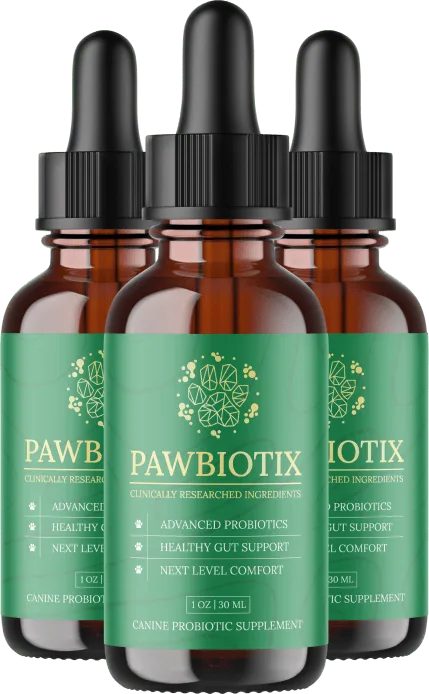
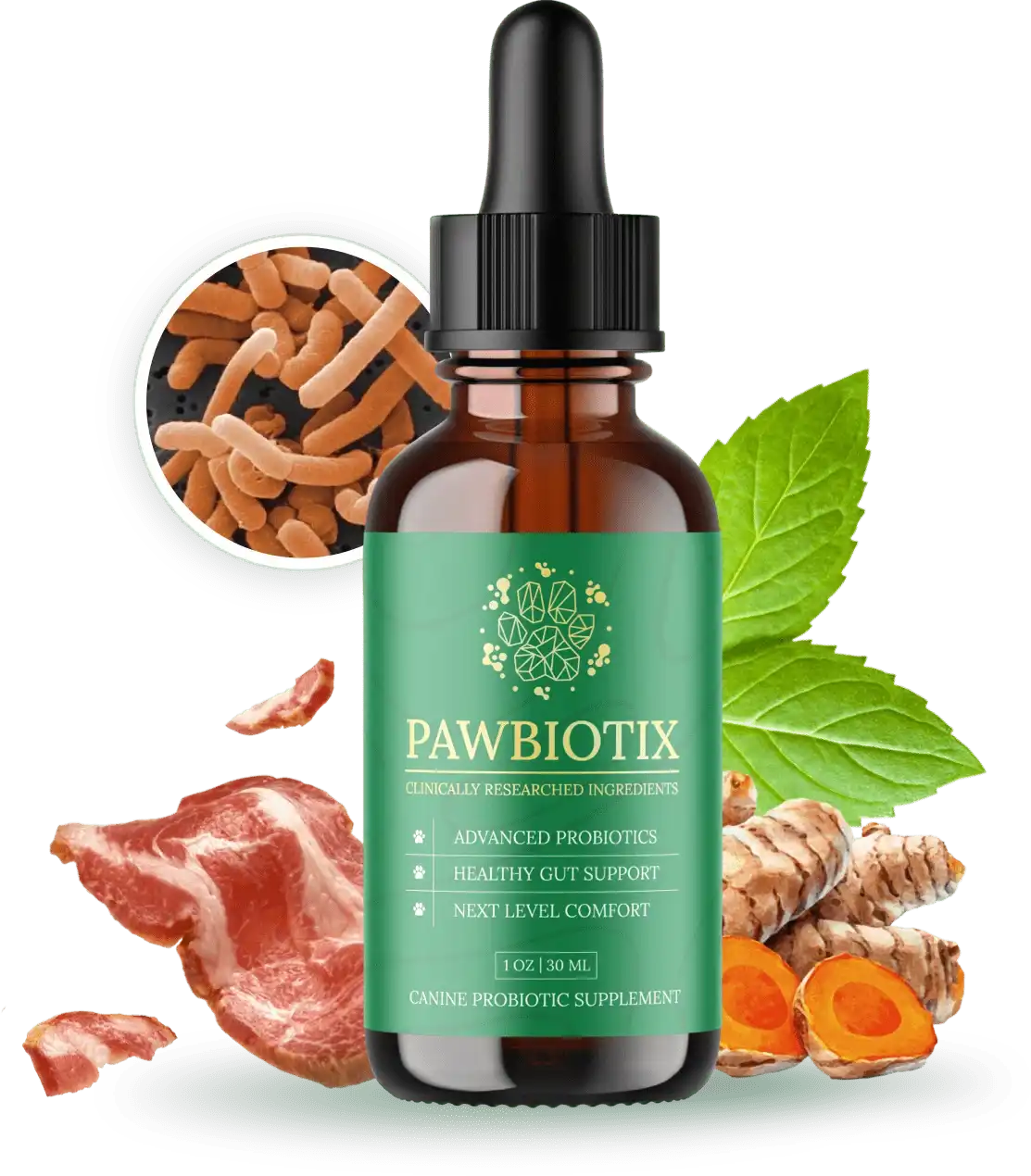
Finally, look for signs of quality assurance and reputable manufacturing. This includes third-party testing for purity and potency, certifications like GMP (Good Manufacturing Practices), and clear labeling of all ingredients and their dosages. A transparent manufacturer will stand by their product and provide clear information. Consider products specifically formulated for dogs, as their digestive systems and microbial needs can differ from humans. For example, a well-regarded option like PawBiotix offers a blend of targeted probiotic strains and supportive ingredients, designed with canine digestive health in mind, providing a comprehensive solution for many pet parents looking to enhance their dog's gut health and overall vitality. When researching options, remember to explore natural, holistic ways to support their well-being, including how to improve pet health naturally.
Discovering the Potent Ingredients in PawBiotix
PawBiotix is formulated with a powerful blend of natural ingredients, carefully selected for their synergistic effects in promoting canine gut health, immunity, and overall vitality. Each component plays a crucial role in supporting your dog's internal ecosystem.
Bacillus Coagulans
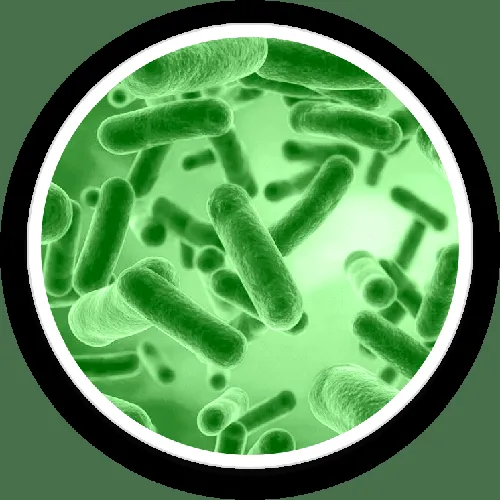
Role: A highly resilient, spore-forming probiotic strain that survives stomach acid to reach the intestines, where it helps balance gut flora, support digestion, and boost immune function. It's known for its ability to reduce inflammation and improve nutrient absorption.
Optimal CFU count
Palmitoylethanolamide (PEA)
Role: A natural fatty acid amide known for its anti-inflammatory and pain-relieving properties. It supports cellular health and helps to soothe gut inflammation, contributing to a more comfortable digestive experience and overall well-being.
Clinically studied dose
Organic Kelp Powder
Role: A rich source of iodine, essential minerals, and prebiotics. Kelp supports thyroid function, boosts metabolism, and provides beneficial fiber that feeds healthy gut bacteria, promoting digestive regularity and detoxification.
Nutrient-rich amount
Chlorella Powder
Role: A powerful freshwater algae known for its detoxifying properties. It helps bind to heavy metals and toxins, facilitating their removal from the body, and is a rich source of vitamins, minerals, and antioxidants that support overall cellular health and immunity.
Detoxifying dose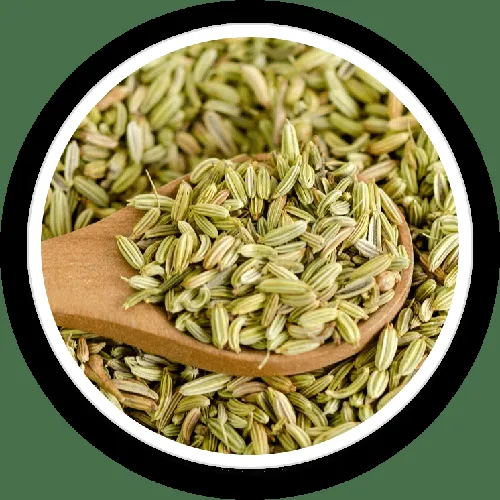
Fennel Seed Powder
Role: Traditionally used to soothe digestive upset, reduce gas, and alleviate bloating. Fennel has natural carminative properties that help relax the digestive tract, making it easier for dogs to digest food comfortably and reduce discomfort.
Soothing dose
Turmeric Root Extract
Role: Contains curcumin, a potent anti-inflammatory and antioxidant compound. Turmeric supports a healthy inflammatory response in the gut, aids liver function, and contributes to overall digestive comfort and systemic health.
Bioavailable extract
Sodium Copper Chlorophyllin
Role: A derivative of chlorophyll, known for its internal deodorizing properties. It helps neutralize odors from the inside out, contributing to fresher breath and reducing body odors, while also providing antioxidant benefits.
Odor-neutralizing amount
Natural Bacon Flavor
Role: Ensures palatability, making PawBiotix highly appealing and easy to administer to even the pickiest eaters. This natural flavor encourages consistent intake, ensuring your dog receives the full benefits of the supplement.
Taste-enhancing quantity
Give Your Dog the Gift of Optimal Gut Health with PawBiotix!
Your dog deserves to live a life full of vitality, free from digestive discomfort and the related health issues. PawBiotix offers a powerful, natural solution designed to support their gut microbiome, enhance digestion, and boost their overall well-being. Don't let your beloved companion suffer in silence.
- ✓ Supports a Balanced Gut Microbiome
- ✓ Enhances Digestion & Nutrient Absorption
- ✓ Boosts Immune System Function
- ✓ Alleviates Common Digestive Discomforts
- ✓ Made with Natural, Veterinarian-Approved Ingredients




What Happy Pet Parents Are Saying About PawBiotix
"PawBiotix has been a game-changer for my senior lab, Max! He used to have constant stomach issues and loose stools, but since starting PawBiotix, his digestion is regular, his energy is back, and his coat looks healthier than ever. I'm so grateful!"
"My French Bulldog, Bella, suffered from chronic itching and skin allergies. We tried everything! A friend recommended PawBiotix, and within a few weeks, her itching significantly reduced, and her coat is so much softer. I truly believe it started with her gut health."
"After a course of antibiotics, my beagle, Daisy, was sluggish and had poor appetite. PawBiotix helped her bounce back incredibly fast. Her appetite is good, and she's back to her playful self. Highly recommend this product for post-antibiotic recovery!"
Frequently Asked Questions
What are probiotics for dogs and why are they important?
+Probiotics are live, beneficial microorganisms that, when administered in adequate amounts, confer a health benefit on the host. For dogs, they are crucial for maintaining a balanced gut microbiome, aiding digestion, enhancing nutrient absorption, and bolstering the immune system. They help to counteract the effects of harmful bacteria and support overall well-being from the inside out.
How can I tell if my dog needs a probiotic?
+Common signs your dog might benefit from a probiotic include frequent digestive upset (diarrhea, constipation, gas, bloating), poor stool quality, food sensitivities, dull coat, skin issues, allergies, low energy, or a weakened immune response. Dogs on antibiotics or experiencing stress also benefit greatly from probiotic supplementation.
Are all probiotics for dogs the same?
+No, not all probiotics are created equal. The effectiveness of a probiotic depends on the specific strains used, their viability (CFU count), and their ability to survive the acidic environment of the stomach to reach the intestines. Look for products with diverse, scientifically studied strains and reputable manufacturing practices, like PawBiotix.
How long does it take for probiotics to work in dogs?
+The time it takes for probiotics to show noticeable effects can vary depending on the dog's individual condition and the severity of their digestive issues. Some dogs may show improvement within a few days, while others might take several weeks to experience the full benefits. Consistent daily administration is key for optimal results.
Can I give my dog human probiotics?
+It's generally not recommended to give human probiotics to dogs. While some strains might be similar, canine digestive systems have different microbial needs and pH levels. Pet-specific probiotics are formulated with strains that are more appropriate and effective for dogs, ensuring better results and safety.
Is PawBiotix safe for all dog breeds and ages?
+PawBiotix is formulated with natural ingredients and designed to be safe for dogs of all breeds, sizes, and ages. However, as with any supplement, it's always advisable to consult with your veterinarian before introducing it to your dog's regimen, especially if they have pre-existing medical conditions or are on medication.
Related Articles