Is Your Dog's Food Truly Supporting Their Digestive Health?
As devoted pet parents, we constantly strive to provide the best for our furry companions. A critical, yet often overlooked, aspect of their overall well-being is their digestive health. The food we choose directly impacts their gut microbiome, which in turn influences everything from nutrient absorption to immune function.
A healthy gut is the cornerstone of a robust immune system, vibrant energy levels, and a happy disposition for your dog. Understanding how to choose the right dog food for digestive health is paramount to ensuring they live a long, healthy, and joyful life by your side.
The Crucial Link Between Dog Food and Digestive Health
Your dog's digestive system is far more than just a means to process food; it's a complex ecosystem that plays a foundational role in their overall health. Often referred to as the "second brain," the gut significantly influences immunity, mood, energy levels, and even coat condition.
When your dog consumes food, it travels through a sophisticated pathway designed to extract vital nutrients and eliminate waste. A healthy digestive tract efficiently breaks down food, absorbs vitamins, minerals, and other essential compounds, and maintains a balanced population of gut bacteria, known as the microbiome. This bacterial community is critical for nutrient synthesis, protection against pathogens, and modulating immune responses. Therefore, the choice of dog food directly impacts the health and balance of this intricate system, making it a cornerstone of preventive care for canine digestive issues and immune problems.
Recognizing the Signs of Canine Digestive Distress
Before we delve into choosing the right food, it's important to be able to identify when your dog might be experiencing digestive discomfort. Early recognition can prevent more serious health problems.
Stool Irregularities
Changes in stool consistency (diarrhea or constipation), color, or frequency are primary indicators. Healthy dog stool should be firm, moist, and easy to pick up.
Vomiting and Regurgitation
Occasional vomiting can be normal, but frequent or persistent vomiting, especially after meals, is a strong sign of digestive upset. Regurgitation (undigested food brought up soon after eating) also warrants attention.
Excessive Gas and Bloating
While some gas is normal, excessive flatulence, a distended abdomen, or discomfort when touched around the belly can signal issues like maldigestion or an imbalance in gut bacteria.
Loss of Appetite or Weight
A sudden disinterest in food or unexplained weight loss can indicate underlying digestive problems that prevent proper nutrient absorption. Conversely, excessive hunger without weight gain might also be a sign of malabsorption.
Other subtle signs include lethargy, restlessness, excessive lip-licking, eating grass more frequently, or a dull coat. If you notice any of these symptoms, especially if they persist, it's crucial to consult your veterinarian for a proper diagnosis and guidance.
💡 Key Takeaway
A dog's digestive health is intricately linked to their overall well-being, influencing immunity, energy, and mood. Recognizing signs of distress like stool changes, vomiting, gas, or appetite loss early is vital for addressing potential issues promptly and effectively.
Essential Ingredients for a Healthy Canine Gut
Choosing the right dog food means looking beyond marketing claims and focusing on the actual ingredients. For optimal digestive health, certain components are non-negotiable.
1. High-Quality, Digestible Protein Sources: Protein is fundamental for muscle development, tissue repair, and enzyme production. Opt for foods where the first few ingredients are identifiable meat sources like chicken, turkey, beef, lamb, or fish. These should ideally be whole meats or meat meals from a named animal, rather than vague "meat by-products" or "animal digest." Highly digestible proteins reduce the workload on the digestive system and minimize undigested residue that can ferment and cause gas.
2. Complex Carbohydrates and Fiber: Carbohydrates provide energy, but the type matters. Look for complex carbohydrates such as sweet potatoes, brown rice, oats, barley, and peas. These offer sustained energy and are a good source of dietary fiber. Fiber is crucial for digestive regularity; it adds bulk to stool, aids in nutrient absorption, and feeds beneficial gut bacteria (acting as a prebiotic). Both soluble and insoluble fibers are important for different aspects of digestion.
3. Healthy Fats: Fats are a concentrated source of energy and essential for skin, coat, and cellular health. Look for animal fats like chicken fat or salmon oil, and plant-based oils like flaxseed oil, which are rich in Omega-3 and Omega-6 fatty acids. These fats have anti-inflammatory properties that can soothe an irritated digestive tract and support a healthy immune response. Ensure the fat content is appropriate for your dog's age and activity level.
4. Probiotics and Prebiotics: These are powerhouse ingredients for gut health. Probiotics are beneficial live bacteria that help balance the gut microbiome, inhibiting the growth of harmful bacteria and aiding digestion. Prebiotics are non-digestible fibers that act as food for these good bacteria, helping them thrive. Many premium dog foods now include these, or you can add them as supplements. For more detailed information on beneficial bacteria for your dog, you might find our article on The Ultimate Guide to Canine Gut Health: Probiotics for Dogs helpful.
5. Vitamins, Minerals, and Antioxidants: A balanced diet should include a full spectrum of essential vitamins and minerals for overall health, including digestive function. Antioxidants from fruits and vegetables (like blueberries, spinach, and carrots) help combat oxidative stress and inflammation, supporting cellular health throughout the digestive tract.
Ingredients to Approach with Caution or Avoid
Just as important as knowing what to include is understanding what might harm your dog's digestive system.
Vague Meat By-Products and Animal Digest
These terms can refer to a mix of animal parts of varying quality and origin, which can be difficult for dogs to digest and may trigger sensitivities. Always look for clearly named protein sources.
Excessive Fillers
Ingredients like corn, wheat, and soy are often used as cheap fillers. While not inherently bad for all dogs, they can be common allergens and may offer little nutritional value compared to complex carbohydrates. Some dogs struggle to digest large quantities of these.
Artificial Colors, Flavors, and Preservatives
These synthetic additives offer no nutritional benefit and can be potential irritants or allergens for sensitive dogs, leading to digestive upset or behavioral issues. Natural preservatives like mixed tocopherols (Vitamin E) are preferable.
High Amounts of Unspecified Fats
Generic "animal fat" without a specific source can be low quality. Also, excessive fat content can lead to pancreatitis or digestive issues in some dogs, especially those prone to obesity or with sensitive stomachs.
Common Allergens
While not universally bad, ingredients like beef, dairy, wheat, and chicken are common allergens for dogs. If your dog exhibits signs of digestive issues, an elimination diet under veterinary guidance might be necessary to identify specific triggers.
Always read ingredient labels carefully and prioritize transparency. A shorter, clearer ingredient list with whole, recognizable foods is generally a good sign of quality dog food.
Tailoring Food Choices to Your Dog's Unique Needs
No two dogs are exactly alike, and their dietary needs can vary significantly based on several factors. A "one-size-fits-all" approach rarely yields the best results for digestive health.
Age and Life Stage: Puppies require higher protein and calorie content for growth, often with easily digestible ingredients. Adult dogs need maintenance formulas, while senior dogs may benefit from lower calorie, higher fiber diets to manage weight and support slower digestive systems. Specific formulations cater to these different needs, with appropriate nutrient ratios for each life stage.
Breed and Size: Large breeds are prone to different digestive issues (like bloat) than small breeds, and their kibble size needs differ. Some breeds also have genetic predispositions to certain food sensitivities or digestive conditions. For example, some breeds might be more susceptible to inflammatory bowel disease (IBD).
Activity Level: Highly active dogs (working dogs, athletes) need more calories and easily digestible energy sources to fuel their bodies without causing digestive upset. Less active or sedentary dogs require lower calorie foods to prevent obesity, which can exacerbate digestive problems.
Existing Health Conditions: Dogs with diagnosed conditions like inflammatory bowel disease (IBD), pancreatitis, or kidney disease require specialized diets, often prescribed by a veterinarian. These diets are carefully formulated to manage symptoms and support organ function. For dogs prone to chronic digestive issues, a veterinary consultation is essential to develop a tailored nutritional plan.
Food Sensitivities and Allergies: If your dog frequently experiences digestive upset, skin issues, or ear infections, they might have a food sensitivity or allergy. These often require an elimination diet or novel protein diet to identify and avoid trigger ingredients. Working with your vet to identify specific allergens is key to resolving these issues.
Understanding these individual factors allows you to narrow down food choices and select a diet that specifically supports your dog's unique digestive and overall health profile.
The Role of Probiotic Supplements in Canine Digestive Health
Even with the best dog food, sometimes our furry friends need an extra boost to maintain optimal digestive balance, especially when facing stress, antibiotic use, or age-related changes. This is where high-quality probiotic supplements come into play.
Probiotics introduce beneficial bacteria directly into your dog's gut, helping to restore balance to the microbiome. This balance is crucial for efficient digestion, nutrient absorption, and a robust immune system. A healthy gut flora can help alleviate common issues like diarrhea, constipation, gas, and even support dogs with chronic conditions like IBD.
While some dog foods are fortified with probiotics, the viability of these live cultures can be compromised during processing and storage. A dedicated supplement, especially one formulated for stability and efficacy, can ensure your dog receives a consistent and potent dose of these beneficial microorganisms. For a deeper dive into liquid probiotic options, check out our article on Top 5 Liquid Probiotic Supplements for Dogs in 2026.
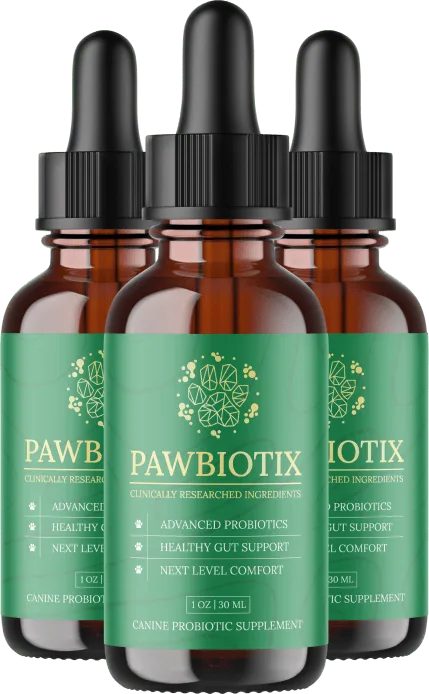
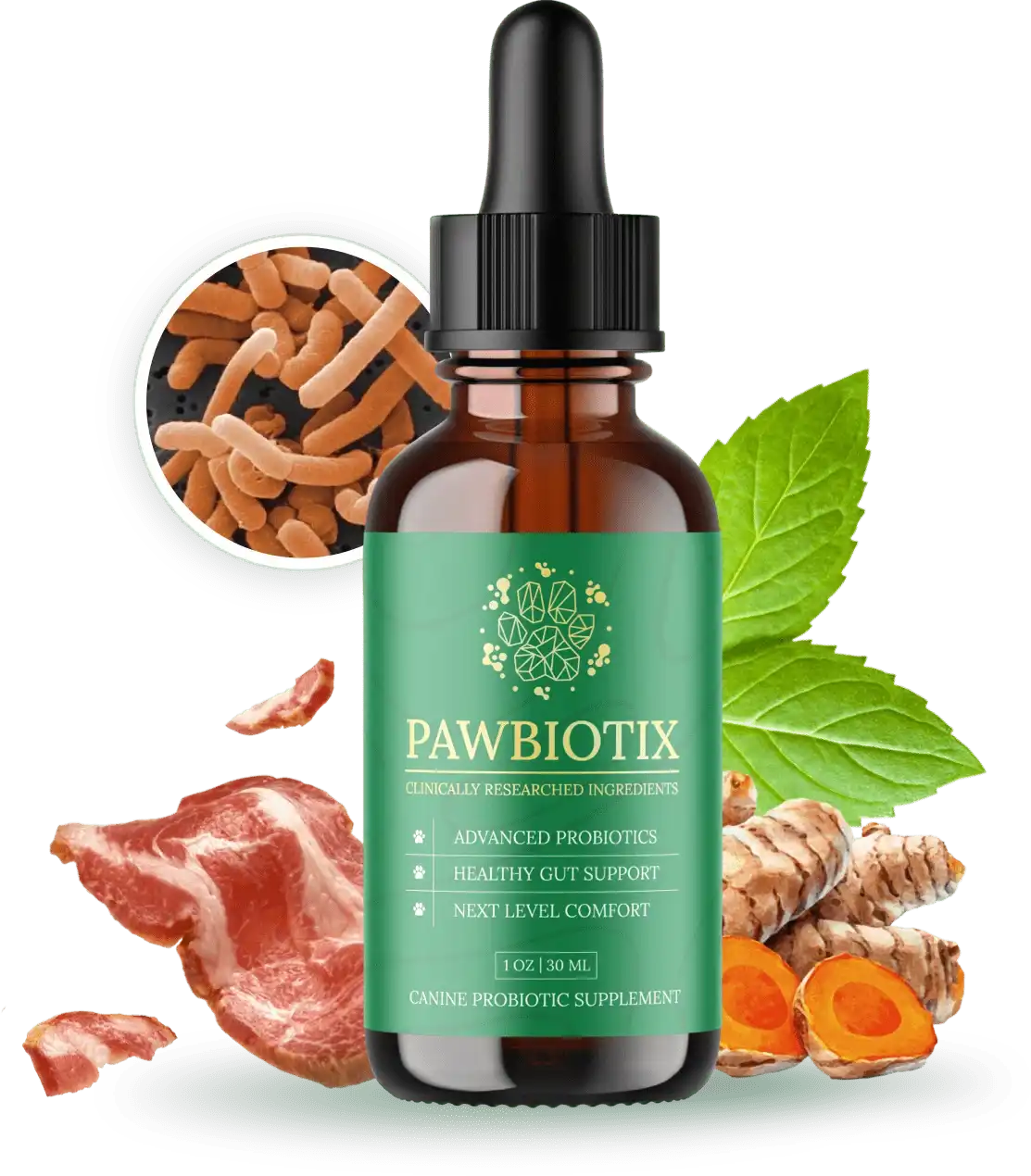
PawBiotix is an example of a supplement designed to support your dog's digestive and immune health. It combines a powerful probiotic strain, Bacillus Coagulans, with natural digestive aids and immune-modulating ingredients. This synergistic blend aims to not only balance the gut but also reduce inflammation, enhance nutrient absorption, and strengthen the body's natural defenses. Introducing a supplement like PawBiotix can be a proactive step in maintaining your dog's digestive comfort and overall vitality, complementing a well-chosen diet.
Key Ingredients in PawBiotix for Digestive & Immune Support
PawBiotix is formulated with a blend of natural ingredients specifically chosen for their proven benefits in supporting canine digestive health, immune function, and overall well-being. Each component plays a vital role in creating a balanced and thriving internal environment for your dog.
Bacillus Coagulans
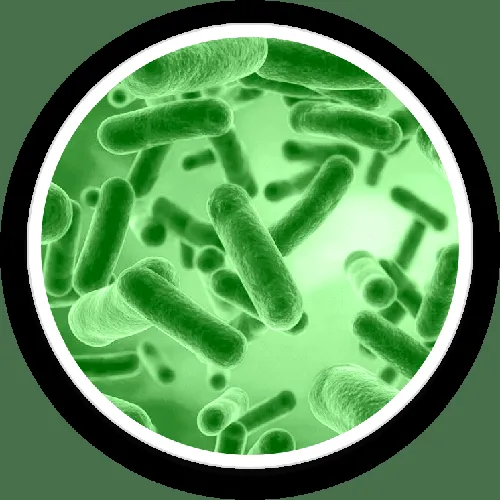
Role: A highly stable probiotic strain that survives stomach acid to reach the intestines, where it helps balance the gut microbiome, supports healthy digestion, and enhances nutrient absorption. Essential for a strong immune response.
Typical Dog Dosage: 1-2 Billion CFUs/day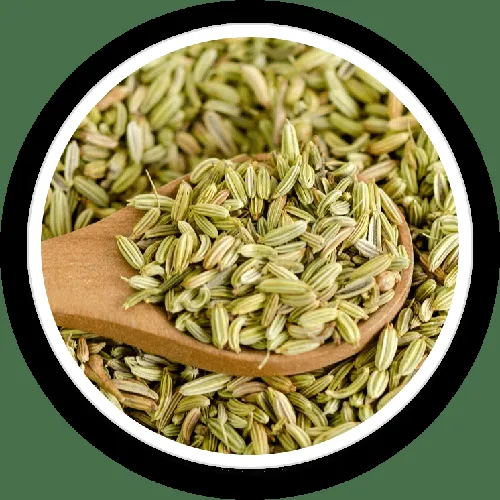
Fennel Seed Powder
Role: Known for its carminative properties, fennel helps soothe the digestive tract, reduce gas, bloating, and discomfort. It can also stimulate appetite and aid in the healthy passage of food.
Typical Dog Dosage: 50-200 mg/day
Turmeric Root Extract
Role: Contains curcumin, a powerful anti-inflammatory and antioxidant compound. It supports gastrointestinal health by reducing inflammation in the gut lining and aiding bile production for fat digestion.
Typical Dog Dosage: 50-250 mg/day
Organic Kelp Powder
Role: A rich source of prebiotics, minerals (like iodine for thyroid health), and trace elements. It supports a healthy gut environment, aids digestion, and can help improve skin and coat health.
Typical Dog Dosage: 100-500 mg/day
Chlorella Powder
Role: A potent detoxifier that binds to heavy metals and toxins, helping to cleanse the digestive system. It's also rich in vitamins, minerals, and antioxidants, supporting immune function and cellular health.
Typical Dog Dosage: 50-200 mg/day
Sodium Copper Chlorophyllin
Role: A derivative of chlorophyll, known for its natural deodorizing properties and ability to support detoxification. It also acts as an antioxidant and can help maintain a healthy internal environment.
Typical Dog Dosage: 5-25 mg/dayThese ingredients, combined thoughtfully in PawBiotix, work to create a comprehensive digestive and immune support system for your dog, addressing common issues and promoting long-term wellness.
Tips for a Smooth Food Transition
Whether you're switching to a new dog food for digestive health or introducing a supplement, a gradual approach is key to preventing upset stomachs.
1. The 7-10 Day Rule: Never switch your dog's food abruptly. Over a period of 7 to 10 days, gradually mix increasing amounts of the new food with decreasing amounts of the old food. This allows your dog's digestive system to adapt to the new ingredients without shock.
2. Monitor Closely: During the transition, observe your dog for any signs of digestive upset like diarrhea, vomiting, or loss of appetite. If these occur, slow down the transition even further or consult your vet.
3. Keep it Consistent: Try to stick to a consistent feeding schedule. Dogs thrive on routine, and predictable meal times can aid digestion. Also, avoid offering too many new treats or table scraps during this period.
4. Consider Supplements: During a food transition, or if your dog is prone to sensitive digestion, adding a probiotic supplement can help stabilize their gut microbiome and ease the adjustment. Products like PawBiotix can provide additional support during this critical phase, helping beneficial bacteria thrive and reducing the likelihood of digestive upset.
By following these steps, you can ensure a smoother transition to a healthier diet, minimizing stress on your dog's digestive system and maximizing the benefits of their new food or supplement regimen. Remember, a healthy gut is a happy gut, leading to a happier, healthier dog. To explore more holistic approaches to pet care, you may want to read our article on Natural Ways to Boost Your Pet's Health and Longevity.
Give Your Dog the Gift of Optimal Digestive Health with PawBiotix
You've learned the critical importance of a healthy gut for your dog's overall well-being. Now, take the next step towards ensuring their digestive system is functioning at its best, supporting a strong immune system and vibrant health.
- ✓ Supports a balanced gut microbiome
- ✓ Enhances nutrient absorption and digestion
- ✓ Boosts immune system strength
- ✓ Reduces gas, bloating, and digestive discomfort
- ✓ Made with all-natural, vet-approved ingredients




What Pet Parents Are Saying About PawBiotix
"My Golden Retriever, Max, used to have such a sensitive stomach. We tried so many foods and supplements. Since starting PawBiotix, his digestion has been incredibly consistent, and he has so much more energy. It's truly been a game-changer for him!"
"Our senior beagle, Daisy, had been struggling with gas and irregular bowel movements. After a few weeks on PawBiotix, there's a noticeable improvement. Less gas, more regular, and she seems much more comfortable. Highly recommend!"
"I was skeptical at first, but my vet recommended a good probiotic for my French Bulldog's recurring digestive issues. PawBiotix has made a huge difference. Her stools are perfect, and she hasn't had any tummy troubles since. Plus, she loves the bacon flavor!"
Frequently Asked Questions
How do I know if my dog has digestive issues?
+Common signs of digestive upset in dogs include frequent vomiting, diarrhea, constipation, excessive gas, bloating, loss of appetite, weight loss, or changes in stool consistency and color. If you observe any of these symptoms persistently, it's crucial to consult your veterinarian to rule out underlying health conditions.
What's the difference between probiotics and prebiotics?
+Probiotics are live beneficial bacteria that, when administered in adequate amounts, confer a health benefit on the host, primarily by balancing gut flora. Prebiotics, on the other hand, are non-digestible food ingredients that selectively stimulate the growth and/or activity of one or a limited number of beneficial bacteria in the colon, essentially acting as food for probiotics. Both are vital for a healthy gut microbiome.
Can I switch my dog's food suddenly?
+No, it's generally not recommended to switch your dog's food suddenly. A rapid change can often lead to digestive upset, including vomiting or diarrhea. Instead, transition your dog to new food gradually over 7-10 days, mixing increasing amounts of the new food with decreasing amounts of the old food until the switch is complete. This allows their digestive system to adjust.
Are grain-free diets always better for digestion?
+Not necessarily. While some dogs with specific grain sensitivities may benefit from grain-free diets, grains themselves are not inherently bad. Many grains, like oats and brown rice, are excellent sources of fiber and nutrients that support digestive health. The key is to identify if your dog has an actual sensitivity to a particular grain, rather than assuming all grains are problematic.
How can PawBiotix support my dog's digestive health?
+PawBiotix is formulated with a blend of natural ingredients, including specific probiotics like Bacillus Coagulans, prebiotics, and digestive aids such as Fennel Seed Powder and Turmeric Root Extract. These ingredients work synergistically to balance the gut microbiome, support nutrient absorption, reduce inflammation, and alleviate common digestive discomforts, ultimately bolstering overall gut and immune health.
Is PawBiotix safe for all dog breeds and ages?
+PawBiotix is made with all-natural ingredients and is generally considered safe for most dog breeds and ages. However, as with any supplement, it's always best to consult your veterinarian before introducing PawBiotix into your dog's regimen, especially if they have pre-existing health conditions, are on medication, or are very young puppies or senior dogs with specific dietary needs. The formula is designed to be gentle yet effective.
Related Articles