Is your furry friend struggling with tummy troubles?
As devoted pet parents, we all want our dogs to be happy, energetic, and free from discomfort. However, digestive issues are incredibly common in canines, ranging from mild, temporary upsets to chronic conditions that significantly impact their quality of life. Recognizing the signs and understanding the underlying causes is the first step toward effective treatment and prevention.
A healthy digestive system is crucial not just for nutrient absorption, but also for a strong immune system and overall well-being. When your dog's gut is out of balance, it can manifest in various ways, often causing distress for both the pet and the owner. Learning to identify these problems early can lead to quicker interventions and better outcomes, helping restore your dog's vital gut health and vibrant energy.
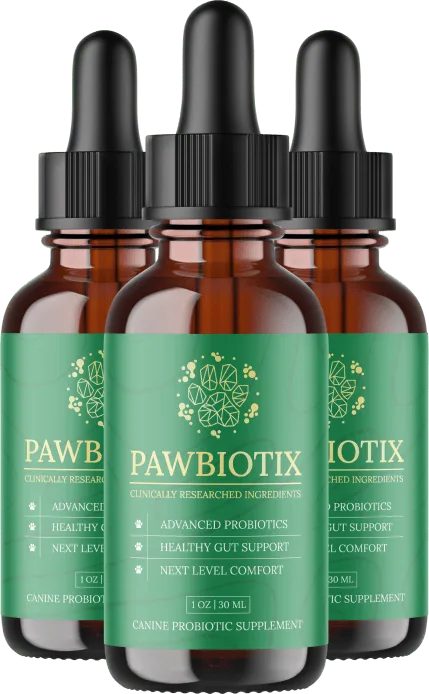
Understanding Common Canine Digestive Problems
Digestive issues in dogs can manifest in numerous ways, from acute, short-term bouts to chronic conditions requiring ongoing management. Identifying the specific problem is key to finding the right treatment.
Diarrhea is perhaps the most common digestive complaint among dogs. It's characterized by loose, watery stools and can be caused by a variety of factors, including dietary indiscretion (eating something they shouldn't), sudden changes in diet, stress, bacterial or viral infections, parasites, food allergies, or more serious underlying conditions like inflammatory bowel disease (IBD). While a single episode of mild diarrhea might resolve on its own, persistent or severe diarrhea, especially if accompanied by blood, vomiting, lethargy, or loss of appetite, warrants immediate veterinary attention. Dehydration is a significant concern with prolonged diarrhea.
Constipation, on the other hand, is defined by infrequent, difficult, or painful defecation, often resulting in hard, dry stools. Common causes include insufficient fiber in the diet, dehydration, lack of exercise, ingestion of foreign objects (like hair or bones), enlarged prostate glands in male dogs, certain medications, or neurological problems. Older dogs are particularly prone to constipation. Treatment often involves dietary adjustments, increased water intake, and sometimes stool softeners prescribed by a vet. Ignoring chronic constipation can lead to megacolon, a severe condition where the colon loses its ability to contract effectively.
Vomiting is another frequent symptom of digestive distress. It can be caused by dietary indiscretion, motion sickness, parasites, infections, pancreatitis, kidney disease, or even ingestion of toxins. While occasional vomiting might not be serious, persistent vomiting, vomiting blood, or vomiting accompanied by lethargy, abdominal pain, or fever necessitates a vet visit. It's important to distinguish vomiting from regurgitation; vomiting is an active process involving abdominal contractions, while regurgitation is passive expulsion of undigested food.
Excessive Gas (Flatulence) is usually a sign of poor digestion or fermentation in the gut. Certain foods, food allergies, eating too quickly, or an imbalance of gut bacteria can lead to increased gas production. While often harmless, excessive flatulence can be uncomfortable for your dog and unpleasant for you. Addressing the underlying cause, often through dietary changes or supplements that support healthy digestion, can help reduce this problem. For more insights into how diet affects dog health, you might find our article on Natural Pet Health Relief Remedies helpful.
Inflammatory Bowel Disease (IBD) is a chronic condition characterized by inflammation of the gastrointestinal tract. Unlike acute digestive upset, IBD is a long-term issue that can cause persistent vomiting, diarrhea, weight loss, and decreased appetite. The exact cause is often unknown but is believed to involve a complex interaction of genetics, diet, the immune system, and the gut microbiome. Diagnosis typically requires biopsies, and treatment often involves special diets, corticosteroids, and sometimes immunosuppressants. Probiotics and prebiotics are increasingly used as supportive therapies to manage the gut microbiome in IBD patients.
Food Allergies and Sensitivities can also wreak havoc on a dog's digestive system. Unlike acute food poisoning, allergies involve an immune response to specific proteins in food, leading to symptoms such as chronic diarrhea, vomiting, itchy skin, ear infections, and paw licking. Food sensitivities, while not involving an immune response, can still cause digestive upset. Diagnosis often involves an elimination diet, and treatment focuses on identifying and avoiding trigger ingredients. Novel protein diets or hydrolyzed protein diets are common solutions.
💡 Key Takeaway
Most common dog digestive issues like diarrhea, constipation, and vomiting are often symptoms of an imbalance or irritation within the gut. Early identification and veterinary consultation are crucial, but many conditions can be managed or improved through careful dietary adjustments and supportive gut health strategies.
Diagnosing and Treating Canine Digestive Problems
When your dog shows signs of digestive upset, a systematic approach is essential. This typically starts with your veterinarian and may involve various treatment strategies.
Veterinary Consultation is Paramount
Any persistent or severe digestive symptoms should prompt a visit to your veterinarian. They can perform a thorough examination, including fecal tests to check for parasites, blood tests to rule out systemic diseases, and imaging (X-rays, ultrasound) to look for foreign bodies or organ inflammation. Accurate diagnosis is the cornerstone of effective treatment, especially for complex conditions like IBD or pancreatitis.
Dietary Management and Bland Diets
For mild, acute digestive upsets, your vet might recommend a bland diet of boiled chicken and plain white rice or cooked lean ground beef and pasta. This is easy to digest and gives the gut a chance to rest and recover. Gradually reintroducing their regular food is important once symptoms subside. For chronic issues, prescription diets specifically formulated for sensitive stomachs, food allergies, or IBD can be highly effective.
Hydration and Electrolyte Balance
Dogs with vomiting or diarrhea are at high risk of dehydration. Ensuring constant access to fresh water is critical. In some cases, your vet may recommend oral electrolyte solutions or, for severe dehydration, administer fluids intravenously. Monitoring your dog's hydration levels by checking gum moisture and skin elasticity is important.
Medications and Supportive Care
Depending on the diagnosis, your vet may prescribe medications such as anti-diarrhea agents, anti-nausea drugs, antibiotics for bacterial infections, dewormers for parasites, or anti-inflammatory drugs for conditions like IBD. For dogs with specific deficiencies, enzyme supplements might be recommended to aid digestion. Always administer medications exactly as prescribed.
Probiotics and Prebiotics
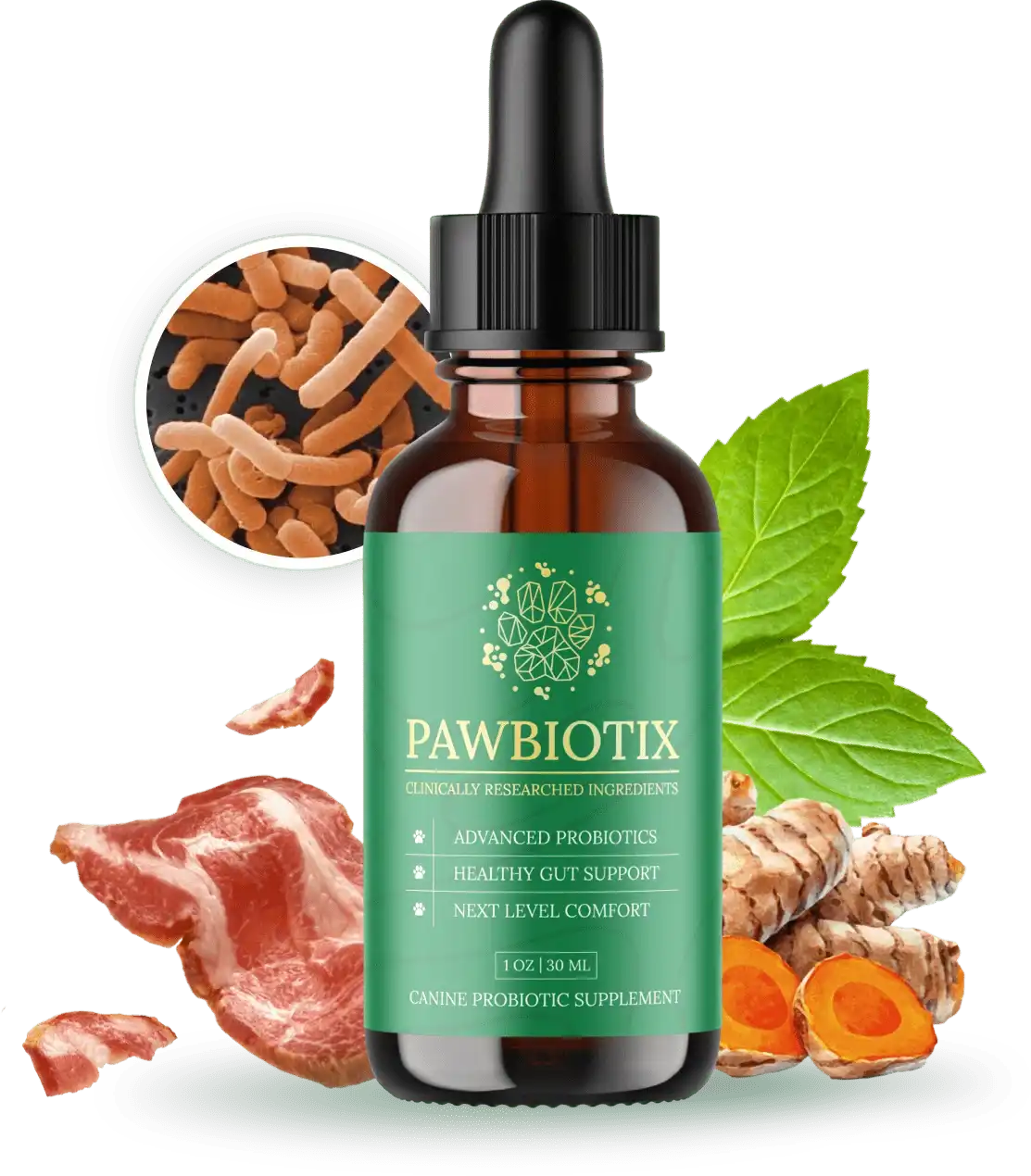
A healthy gut microbiome is essential for optimal digestion and immune function. Probiotics introduce beneficial bacteria, while prebiotics provide food for these good bacteria. They can be particularly helpful after antibiotic treatment, during stressful periods, or as a long-term strategy for dogs prone to digestive upset. A high-quality probiotic supplement like PawBiotix can play a significant role in supporting a balanced gut environment.
The Crucial Role of Gut Health in Canine Wellness
Beyond just digestion, a dog's gut health is intrinsically linked to their overall well-being, influencing everything from their immune system to their mood and energy levels.
Immune System Powerhouse
Approximately 70-80% of a dog's immune system resides in their gut. A balanced microbiome acts as a frontline defense against pathogens, helping to prevent infections and reduce inflammatory responses throughout the body. When the gut is compromised, so is the immune system, making your dog more susceptible to illness.
Nutrient Absorption & Energy
Even the highest quality dog food is useless if your dog can't properly absorb its nutrients. A healthy gut lining and diverse microbiome ensure efficient digestion and absorption of vitamins, minerals, and other essential compounds, directly impacting your dog's energy levels, coat health, and muscle mass.
Gut-Brain Axis Connection
Just like in humans, dogs have a complex "gut-brain axis." The gut microbiota produces neurotransmitters that can influence mood, behavior, and cognitive function. An imbalanced gut can contribute to anxiety, stress, and even aggression, highlighting the importance of gut health for mental well-being.
Skin & Coat Health
Persistent skin issues like itching, dryness, and dull coat can often be traced back to an unhealthy gut. A compromised gut barrier can allow toxins to enter the bloodstream, triggering allergic reactions and skin inflammation. Supporting gut health can lead to noticeable improvements in skin and coat condition.
Introducing PawBiotix: A Natural Approach to Digestive Support
While veterinary care is paramount for severe conditions, many dog owners seek natural, supportive solutions to maintain optimal gut health and prevent common digestive upsets. PawBiotix offers a unique blend of ingredients designed to promote a balanced microbiome and overall digestive wellness.
PawBiotix is formulated as a daily supplement to help address the root causes of many common canine digestive issues by supporting a healthy gut environment. It combines powerful probiotics with natural ingredients known for their digestive and immune-boosting properties. By fostering a thriving gut flora, PawBiotix aims to improve digestion, enhance nutrient absorption, and strengthen the immune system, leading to a happier, more comfortable dog. For a comprehensive look at how supplements can aid your pet, consider reading our Dog Probiotic Supplement Reviews.
This supplement is designed to be easily incorporated into your dog's daily routine, offering a palatable solution even for picky eaters. Its natural bacon flavor makes it a treat rather than a chore, ensuring consistent use for optimal results. Unlike harsh medications that might only address symptoms, PawBiotix focuses on supporting the body's natural processes to achieve long-term digestive balance.
Key Ingredients in PawBiotix and Their Benefits
PawBiotix harnesses the power of several scientifically-backed ingredients, each chosen for its specific role in supporting canine digestive health and overall well-being.
Bacillus Coagulans
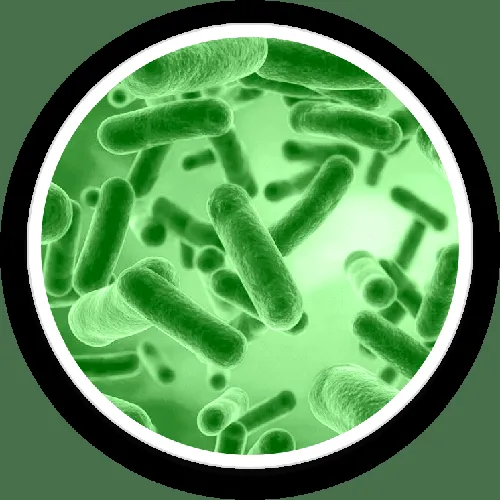
Role: A highly stable, spore-forming probiotic that survives stomach acid to reach the intestines, where it supports a healthy balance of gut bacteria, aids digestion, and boosts immune function. It's particularly effective in managing diarrhea and improving stool quality.
Typical: 1-2 billion CFUs
Chlorella Powder
Role: A nutrient-dense green algae rich in chlorophyll, vitamins, and minerals. It acts as a powerful detoxifier, helping to bind and eliminate toxins from the digestive tract, and supports immune health. It also promotes healthy digestion and provides antioxidant benefits.
Typical: 50-100 mg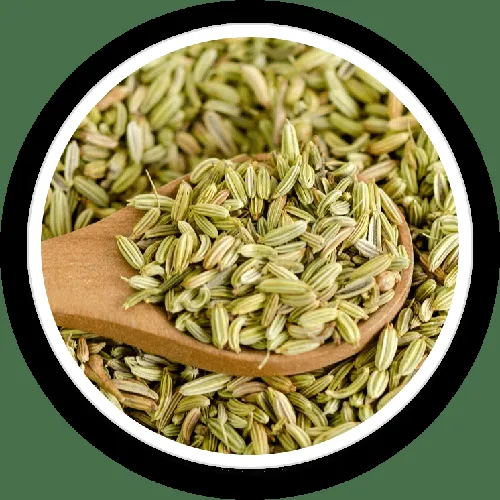
Fennel Seed Powder
Role: Known for its carminative properties, fennel helps to soothe the digestive tract, reduce gas and bloating, and alleviate stomach cramps. It can also stimulate appetite and aid in the expulsion of gas, making it beneficial for dogs prone to flatulence.
Typical: 25-50 mg
Organic Kelp Powder
Role: A rich source of essential minerals, particularly iodine, which supports thyroid function and metabolism. Kelp also contains prebiotics that nourish beneficial gut bacteria, contributing to a healthy microbiome and improved digestion.
Typical: 50-150 mg
Sodium Copper Chlorophyllin
Role: A water-soluble derivative of chlorophyll, known for its powerful deodorizing properties, helping to combat bad breath and body odor from the inside out. It also supports detoxification and has antioxidant effects, contributing to overall cellular health and gut cleansing.
Typical: 10-20 mg
Turmeric Root Extract (Curcumin)
Role: Contains curcumin, a potent anti-inflammatory and antioxidant compound. It can help reduce inflammation in the gut, which is beneficial for conditions like IBD, and supports liver health. Its anti-inflammatory properties can also alleviate digestive discomfort.
Typical: 50-100 mgPreventative Measures and Long-Term Gut Health Strategies
Preventing digestive problems is always better than treating them. Implementing consistent strategies can help maintain your dog's gut health for years to come.
Firstly, maintain a consistent diet. Sudden changes in food can upset your dog's stomach. If you need to switch foods, do so gradually over 7-10 days, mixing increasing amounts of the new food with decreasing amounts of the old. Choose a high-quality dog food appropriate for your dog's age, breed, and activity level, and consider formulas designed for sensitive stomachs if your dog is prone to issues. Avoiding table scraps and human foods known to be toxic or difficult for dogs to digest is also critical.
Secondly, ensure adequate hydration. Fresh, clean water should always be available. Proper hydration aids in digestion, prevents constipation, and helps flush toxins from the body. You can encourage water intake by adding a little broth to their water bowl or using a pet fountain.
Thirdly, incorporate regular exercise into your dog's routine. Physical activity stimulates bowel motility, which can help prevent constipation and promote overall digestive regularity. Even short, consistent walks can make a significant difference. For more detailed solutions, you might want to read our full PawBiotix Review: Does It Work? to see how gut health plays a role.
Lastly, consider the long-term benefits of probiotic supplementation. Even healthy dogs can benefit from a balanced gut microbiome. Probiotics help fortify the gut lining, support the immune system, and optimize nutrient absorption, acting as a preventative measure against future digestive upsets. A supplement like PawBiotix can be a valuable addition to your dog's daily regimen, offering continuous support for their gut health. Regular veterinary check-ups are also essential for early detection of potential issues and personalized advice.
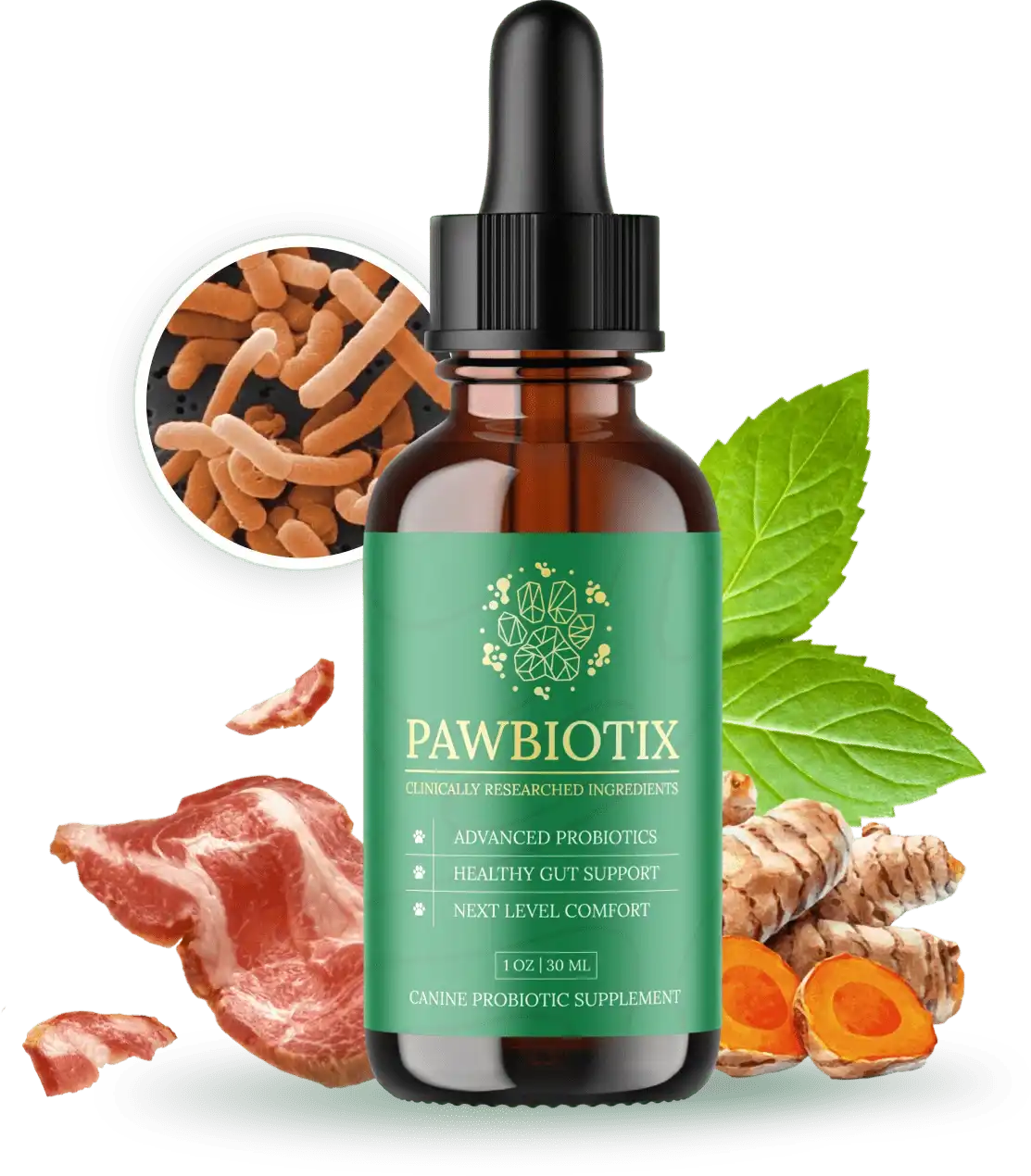
Ready to Transform Your Dog's Digestive Health?
Don't let digestive issues hold your dog back from living their best life. PawBiotix offers a powerful, natural solution designed to bring balance to their gut, improve digestion, and boost their overall vitality.
- ✓ Supports a healthy gut microbiome
- ✓ Alleviates common digestive discomforts
- ✓ Enhances nutrient absorption for more energy
- ✓ Boosts immune system function
- ✓ Made with all-natural, vet-approved ingredients




What Happy Pet Owners Are Saying
"My beagle, Max, used to have such a sensitive stomach and frequent bouts of diarrhea. After starting PawBiotix, his digestion has completely turned around! His stools are firm, and he has so much more energy. It's truly been a game-changer for him."
"I was skeptical at first, but my vet suggested trying a high-quality probiotic for my senior dog's chronic gas. PawBiotix has made a noticeable difference. Less gas, less bloating, and he seems much more comfortable. Plus, he loves the taste!"
"My golden retriever always had loose stools, no matter what food we tried. PawBiotix was the missing piece. His digestion is now regular, and his coat looks shinier than ever. I highly recommend it to any dog owner dealing with digestive issues."
Frequently Asked Questions
What are the most common digestive issues in dogs?
+Common issues include diarrhea, constipation, vomiting, gas, inflammatory bowel disease (IBD), and food sensitivities. These can stem from diet, stress, infections, or underlying health conditions.
How can I tell if my dog has a digestive problem?
+Look for symptoms like changes in stool consistency (loose, hard, bloody), increased frequency of bowel movements, straining, vomiting, loss of appetite, lethargy, abdominal pain, or excessive gas.
When should I take my dog to the vet for digestive issues?
+You should consult a vet if symptoms are severe, persistent (more than 24-48 hours), accompanied by lethargy, fever, severe pain, or if your dog is a puppy or senior. Bloody vomit or stool is an immediate emergency.
Can diet changes help with my dog's digestive problems?
+Absolutely. A bland diet (boiled chicken and rice), novel protein diets for allergies, high-fiber foods for constipation, or easily digestible formulations can significantly improve digestive health.
How do probiotics like PawBiotix support canine digestion?
+Probiotics introduce beneficial bacteria to the gut, helping to balance the microbiome, improve nutrient absorption, strengthen the immune system, and reduce inflammation, which can alleviate many digestive symptoms.
Are there natural remedies I can try for mild digestive upset?
+For mild cases, simple natural remedies like pumpkin puree (for fiber), ginger (for nausea), or a high-quality probiotic supplement can be beneficial. Always consult your vet before introducing new treatments.
Related Articles