Is your beloved canine companion struggling with digestive discomfort?
As pet parents, few things are more distressing than seeing our dogs suffer from upset stomachs, irregular bowel movements, or persistent digestive issues. These problems can range from occasional mild discomfort to chronic conditions that significantly impact their quality of life, leading to lethargy, loss of appetite, and general unhappiness.
The good news is that a wealth of natural pet health relief remedies and herbal solutions exist to support your dog's digestive health. By understanding the root causes and embracing a holistic approach, we can provide our furry friends with the comfort and vitality they deserve, often without relying solely on conventional pharmaceuticals.
Understanding Canine Digestive Disorders: More Than Just an Upset Stomach
Canine digestive disorders encompass a wide range of conditions affecting the gastrointestinal (GI) tract, which includes the esophagus, stomach, small intestine, large intestine, and associated organs like the pancreas and liver. A healthy digestive system is paramount for a dog's overall well-being, as it's responsible for nutrient absorption, waste elimination, and plays a critical role in immune function.
When this delicate system is disrupted, it can lead to various uncomfortable and sometimes serious symptoms. Common digestive disorders in dogs include:
- Acute Gastroenteritis: Often caused by dietary indiscretion (eating something they shouldn't), infections, or sudden diet changes, leading to sudden vomiting and diarrhea.
- Chronic Enteropathy (CE) / Inflammatory Bowel Disease (IBD): A group of chronic GI diseases characterized by persistent inflammation of the intestinal lining. This can manifest as chronic vomiting, diarrhea, weight loss, and reduced appetite.
- Food Sensitivities and Allergies: Adverse reactions to certain food ingredients, causing GI upset, skin issues, or both.
- Pancreatitis: Inflammation of the pancreas, an organ vital for digestion and hormone production, leading to severe abdominal pain, vomiting, diarrhea, and lethargy.
- Colitis: Inflammation of the colon, typically resulting in frequent, small amounts of diarrhea, often with mucus or fresh blood, and straining to defecate.
- Constipation: Difficulty or infrequent defecation, often due to dehydration, lack of fiber, or underlying medical conditions.
- Exocrine Pancreatic Insufficiency (EPI): A condition where the pancreas doesn't produce enough digestive enzymes, leading to maldigestion and malabsorption, characterized by chronic diarrhea, weight loss despite a good appetite, and greasy stools.
💡 Key Takeaway
Canine digestive disorders are diverse and common, impacting a dog's nutrient absorption, immune system, and overall quality of life. Recognizing the specific signs and understanding the underlying condition is vital for effective, holistic management.
Recognizing the Signs: Is Your Dog Showing Symptoms of Digestive Distress?
Early detection of digestive issues can prevent them from escalating into more severe problems. As pet parents, we are our dogs' primary advocates, and being attuned to their subtle cues is essential. Here are the most common signs that your dog might be experiencing digestive discomfort:
- Vomiting: While occasional vomiting might be harmless, frequent or persistent vomiting, especially if it contains blood or bile, is a red flag. Pay attention to the frequency, timing (e.g., after eating), and consistency.
- Diarrhea: Loose, watery, or abnormally frequent stools are clear indicators of digestive upset. Like vomiting, note the color, consistency (e.g., liquid, soft, mucousy), and presence of blood. Diarrhea can quickly lead to dehydration.
- Constipation: Straining to defecate, producing hard, dry stools, or going longer than usual without a bowel movement can indicate constipation. This can be painful and lead to more serious issues if left unaddressed.
- Changes in Appetite: A sudden decrease or complete loss of appetite (anorexia) is a common sign of digestive trouble. Conversely, some conditions like EPI can cause an increased appetite despite weight loss.
- Weight Loss: Unexplained weight loss, particularly if your dog is eating normally, can point to malabsorption issues where nutrients aren't being properly absorbed from food.
- Lethargy and Weakness: Digestive discomfort can make dogs feel generally unwell, leading to reduced energy levels, less enthusiasm for play, and increased sleeping.
- Abdominal Pain or Discomfort: Dogs can't tell us they have a stomach ache, but they show it through restlessness, panting, reluctance to move, hunched posture, sensitivity when touched near the abdomen, or even growling when picked up.
- Bloating and Gas: Excessive flatulence, a distended or hard abdomen, and gurgling stomach noises (borborygmi) can all indicate gas buildup or digestive inflammation.
- Coprophagia (Stool Eating): While sometimes a behavioral issue, it can also be a sign of nutrient malabsorption, where the dog is trying to reclaim nutrients from feces.
- Changes in Coat Quality: A dull, dry, or flaky coat can sometimes be linked to poor nutrient absorption due to chronic digestive issues.
Root Causes of Canine Digestive Disorders: Unraveling the Mystery
Understanding why your dog might be experiencing digestive issues is key to finding effective natural pet health relief remedies. Digestive problems are rarely isolated events; they often stem from a combination of factors that disrupt the delicate balance of the gut microbiome and the overall functioning of the GI tract. Identifying these underlying causes allows for a more targeted and holistic approach to healing.
Dietary Factors
Poor-quality food laden with fillers, artificial additives, and low-grade proteins can be difficult for a dog's system to digest. Sudden changes in diet without a gradual transition can also shock the digestive system. Furthermore, food allergies or sensitivities to common ingredients like chicken, beef, dairy, wheat, or soy are prevalent, causing inflammation and discomfort. Even simply eating too fast can lead to indigestion and vomiting.
Infections & Parasites
Bacterial infections (e.g., Salmonella, E. coli), viral infections (e.g., parvovirus, canine distemper), and parasitic infestations (e.g., roundworms, hookworms, giardia, coccidia) are common culprits behind acute and chronic digestive upset. These pathogens can cause inflammation, damage the intestinal lining, and disrupt nutrient absorption, leading to severe vomiting and diarrhea.
Stress & Anxiety
Just like humans, dogs can experience digestive upset due to stress. Changes in environment, separation anxiety, loud noises, travel, or even new pets can trigger a "fight or flight" response that diverts blood flow from the digestive system, leading to symptoms like diarrhea or vomiting. The gut-brain axis is a powerful connection.
Medications & Toxins
Certain medications, especially antibiotics, can disrupt the natural balance of gut bacteria, leading to diarrhea. Non-steroidal anti-inflammatory drugs (NSAIDs) can also cause GI irritation. Ingesting toxins, poisonous plants, or household chemicals can lead to severe and immediate digestive distress, often requiring emergency veterinary care.
Underlying Health Conditions
Beyond primary GI issues, other medical conditions can indirectly affect digestion. These include kidney disease, liver disease, thyroid disorders, Addison's disease, and even certain types of cancer. These systemic illnesses can lead to secondary digestive symptoms, making a comprehensive veterinary workup essential for persistent problems.
Lack of Digestive Enzymes
Some dogs, particularly older dogs or those with conditions like Exocrine Pancreatic Insufficiency (EPI), may not produce enough digestive enzymes to properly break down food. This leads to maldigestion and malabsorption, resulting in chronic diarrhea, weight loss, and nutrient deficiencies.
The Holistic Approach: Embracing Natural Pet Health Relief Remedies
When it comes to supporting your dog's digestive health, a holistic approach often yields the most sustainable and profound results. This means looking beyond symptomatic relief and addressing the entire well-being of your pet, focusing on diet, lifestyle, and carefully selected natural remedies. The goal is to restore balance, strengthen the gut microbiome, and enhance the body's innate healing capabilities.
A holistic strategy integrates several key pillars:
1. Optimized Nutrition: The Foundation of Gut Health
The saying "you are what you eat" holds true for our dogs. A high-quality, easily digestible diet is the cornerstone of good digestive health. This involves:
- High-Quality Ingredients: Opt for dog foods with identifiable, whole-food ingredients. Look for single-source animal proteins (e.g., turkey, lamb, fish) and avoid excessive fillers, artificial colors, flavors, and preservatives.
- Appropriate Fiber: Both soluble and insoluble fibers are crucial. Soluble fiber (e.g., psyllium, pumpkin) can help regulate stool consistency, while insoluble fiber (e.g., whole grains, vegetables) adds bulk and promotes regular bowel movements. However, too much fiber can also cause issues, so balance is key.
- Novel Proteins or Limited Ingredient Diets: For dogs with suspected food sensitivities, a trial of a novel protein (one your dog hasn't eaten before) or a limited ingredient diet can help identify and eliminate allergens.
- Raw or Lightly Cooked Diets: Some proponents advocate for raw or lightly cooked diets, believing they offer more bioavailable nutrients and enzymes. This approach requires careful planning to ensure nutritional completeness and safety from pathogens.
- Hydration: Ensuring constant access to fresh water is vital for proper digestion and preventing constipation. Consider adding moisture to kibble or feeding wet food.
2. The Power of Probiotics and Prebiotics
The canine gut is home to trillions of bacteria, collectively known as the microbiome. A balanced microbiome is essential for digestion, nutrient absorption, and a robust dog immune support system. Probiotics and prebiotics play a vital role:
- Probiotics: These are beneficial live microorganisms that, when administered in adequate amounts, confer a health benefit on the host. They help replenish good bacteria, inhibit the growth of harmful pathogens, and support the intestinal barrier. Strains like Bacillus coagulans, Lactobacillus acidophilus, and Bifidobacterium animalis are commonly used in dog supplements.
- Prebiotics: These are non-digestible food ingredients that selectively stimulate the growth and/or activity of beneficial bacteria in the colon. Think of them as food for probiotics. Fructooligosaccharides (FOS) and inulin are common prebiotics found in natural sources like chicory root, garlic, and bananas.
3. Herbal and Botanical Solutions: Nature's Pharmacy
For centuries, herbs have been used to soothe digestive upset and promote healing. Many botanicals offer anti-inflammatory, antispasmodic, carminative (gas-reducing), or demulcent (soothing) properties:
- Ginger: Known for its anti-nausea properties, ginger can help calm an upset stomach and reduce vomiting.
- Chamomile: A gentle herb with anti-inflammatory and antispasmodic effects, useful for soothing an irritated gut and reducing anxiety-related digestive issues.
- Slippery Elm Bark: A demulcent herb that forms a protective, soothing layer over inflamed mucous membranes, providing relief from conditions like gastritis, enteritis, and colitis.
- Fennel Seed: Excellent for reducing gas and bloating, fennel has carminative properties that help relax the GI tract.
- Turmeric: A powerful anti-inflammatory agent, curcumin (the active compound in turmeric) can help reduce inflammation associated with IBD and other chronic digestive issues.
- Marshmallow Root: Similar to slippery elm, it provides a soothing mucilage that coats and protects irritated tissues.
- Chlorella & Spirulina: These nutrient-dense algae can support detoxification, provide essential vitamins and minerals, and promote a healthy gut environment.
- Organic Kelp: A rich source of trace minerals and prebiotics, supporting thyroid function and gut health.
4. Digestive Enzymes: Aiding Breakdown and Absorption
For dogs with enzyme deficiencies, supplemental digestive enzymes can make a significant difference. These enzymes (e.g., amylase, lipase, protease) help break down carbohydrates, fats, and proteins, respectively, improving nutrient absorption and reducing the burden on the digestive system.
5. Stress Management and Lifestyle Adjustments
A dog's emotional state directly impacts their gut health. Reducing stress through a consistent routine, adequate exercise, positive reinforcement training, and a calm home environment can significantly alleviate stress-induced digestive issues. Regular exercise also promotes healthy gut motility.
6. Environmental Considerations
Minimizing exposure to environmental toxins, ensuring clean water, and preventing access to garbage or potentially harmful substances are crucial preventative measures for digestive health.
By thoughtfully combining these natural strategies, pet parents can create a comprehensive support system for their dog's digestive health, fostering a happier, more comfortable life for their cherished companion. Remember, while natural remedies are powerful, always consult your veterinarian, especially for chronic or severe conditions, to ensure a proper diagnosis and integrated treatment plan.
Synergistic Support: How Natural Ingredients Work Together for Optimal Canine Digestion
The true power of natural pet health remedies often lies in their synergistic action – how different ingredients work together to achieve a greater effect than they would individually. This principle is particularly evident in comprehensive digestive health solutions, where a blend of probiotics, prebiotics, enzymes, and botanicals can address multiple facets of gut dysfunction simultaneously.
Restoring Gut Microbiome Balance
A healthy gut relies on a diverse and balanced population of beneficial bacteria. Probiotics introduce these good bacteria, while prebiotics act as their fuel, encouraging their growth. This synergy helps crowd out harmful pathogens, reduce inflammation, and improve overall gut function, leading to more consistent and healthy stool.
Enhancing Nutrient Absorption
When the gut microbiome is balanced and digestive enzymes are sufficient, food is broken down more efficiently. This means your dog can absorb more vital nutrients from their diet, leading to improved energy levels, a healthier coat, and stronger immunity. Malabsorption can be a silent drain on a dog's health, and natural solutions help reverse this.
Soothing Inflammation and Irritation
Many natural ingredients, such as Turmeric, Chlorella, and Slippery Elm, possess potent anti-inflammatory and demulcent properties. When combined, they can significantly reduce irritation in the GI tract, alleviate discomfort from conditions like IBD or colitis, and help the gut lining heal. This reduces pain and promotes a sense of calm in the digestive system.
Reducing Gas, Bloating, and Discomfort
Ingredients like Fennel seed are known carminatives, helping to expel gas and reduce bloating. When paired with probiotics that optimize fermentation processes in the gut, the incidence of uncomfortable gas is significantly lowered. This provides immediate relief and prevents the painful pressure associated with digestive upset.
Supporting Immune System Function
Approximately 70-80% of a dog's immune system resides in their gut. By fostering a healthy gut environment with probiotics and nutrient-rich botanicals, natural remedies directly bolster immune defenses. A strong gut barrier prevents toxins and pathogens from entering the bloodstream, making your dog more resilient to illness. Learn more about comprehensive immune support in our article on dog immune support supplement options.
Promoting Regularity and Healthy Stool
Whether your dog struggles with diarrhea or constipation, a balanced blend of natural ingredients can help regulate bowel movements. Probiotics and appropriate fiber sources work together to create well-formed, consistent stools, making bathroom breaks a much less stressful experience for both pet and owner.
This integrated approach is what makes specialized natural supplements so effective. Instead of targeting just one symptom, they address the underlying imbalances, leading to comprehensive and lasting digestive relief. When considering the best digestive supplement for dogs, look for products that embody this synergistic philosophy.
Key Natural Ingredients for Digestive Health: A Deeper Look
Many natural compounds have been studied for their profound benefits on canine digestive health. When selecting supplements or adjusting diets, understanding the specific roles of these ingredients can empower you to make informed decisions for your dog's well-being. Here are some of the most effective natural ingredients:
Bacillus coagulans
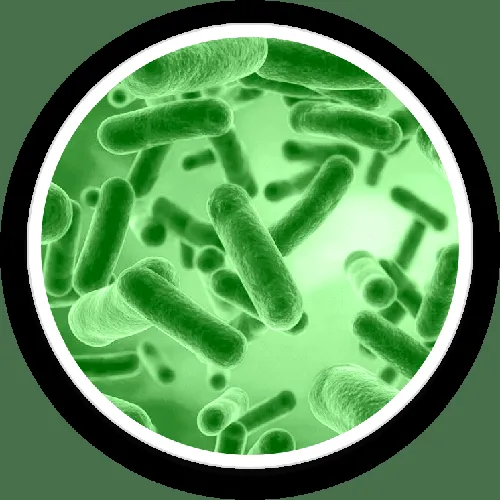
Role: A highly stable, spore-forming probiotic that survives stomach acid to reach the intestines, where it supports a healthy gut microbiome, aids digestion, enhances nutrient absorption, and helps regulate bowel movements. It's particularly effective in reducing diarrhea and improving stool quality.
Typical Dose: 1-2 Billion CFUs/day for dogs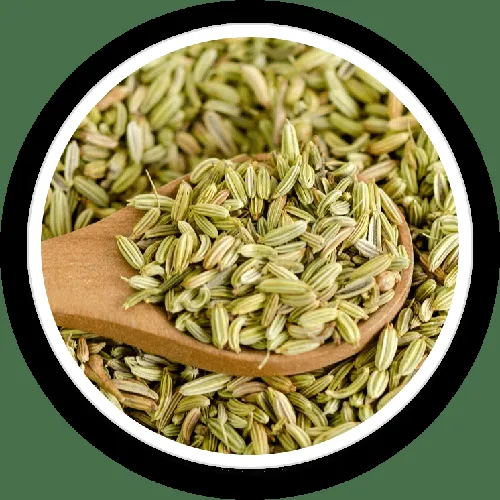
Fennel Seed Powder
Role: A natural carminative and antispasmodic herb. Fennel helps to relax the smooth muscles of the GI tract, reducing gas, bloating, and cramping. It can also stimulate appetite and aid in digestion, making it beneficial for dogs prone to indigestion or flatulence.
Typical Dose: 1/4 - 1 tsp/day, depending on dog size
Turmeric Root Extract (Curcumin)
Role: Renowned for its potent anti-inflammatory and antioxidant properties due to its active compound, curcumin. Turmeric can help reduce inflammation in the gut lining, which is crucial for conditions like IBD. It also supports liver function and overall digestive comfort.
Typical Dose: 50-250 mg/day, depending on concentration
Organic Kelp Powder
Role: A nutrient-dense seaweed rich in iodine, trace minerals, and prebiotics. Kelp supports thyroid health, which indirectly impacts metabolism and digestion. Its prebiotic fibers nourish beneficial gut bacteria, contributing to a healthy microbiome and improved stool consistency.
Typical Dose: 1/4 - 1 tsp/day, depending on dog size
Chlorella Powder
Role: A freshwater algae known for its detoxifying properties. Chlorella helps bind to heavy metals and toxins in the digestive tract, facilitating their elimination. It's also packed with vitamins, minerals, and chlorophyll, supporting overall vitality and a healthy gut environment.
Typical Dose: 1/4 - 1 tsp/day, depending on dog size
Palmitoylethanolamide (PEA)
Role: A naturally occurring fatty acid amide that acts on the endocannabinoid system, known for its anti-inflammatory and pain-modulating effects. PEA can help soothe gut inflammation and reduce discomfort associated with chronic digestive issues, promoting a sense of calm and well-being.
Typical Dose: 5-15 mg/kg body weight/day
Sodium Copper Chlorophyllin
Role: A water-soluble derivative of chlorophyll, known for its potent antioxidant and deodorizing properties. It can help neutralize toxins in the digestive tract, reduce bad breath and body odor, and support cellular health. Its anti-inflammatory effects can also contribute to gut soothing.
Typical Dose: 10-50 mg/day for dogs
Natural Bacon Type Flavor
Role: While not a medicinal ingredient, a natural, appealing flavor is crucial for palatability. Even the most beneficial supplement won't work if your dog won't eat it. A natural bacon flavor ensures that dogs readily consume the supplement, making consistent administration easy and stress-free for both pet and owner.
To tasteThese ingredients, when thoughtfully combined in the right proportions, can offer comprehensive support for various canine digestive disorders, helping to soothe, balance, and strengthen your dog's gut from within.
Give Your Dog the Gift of Digestive Comfort with PawBiotix!
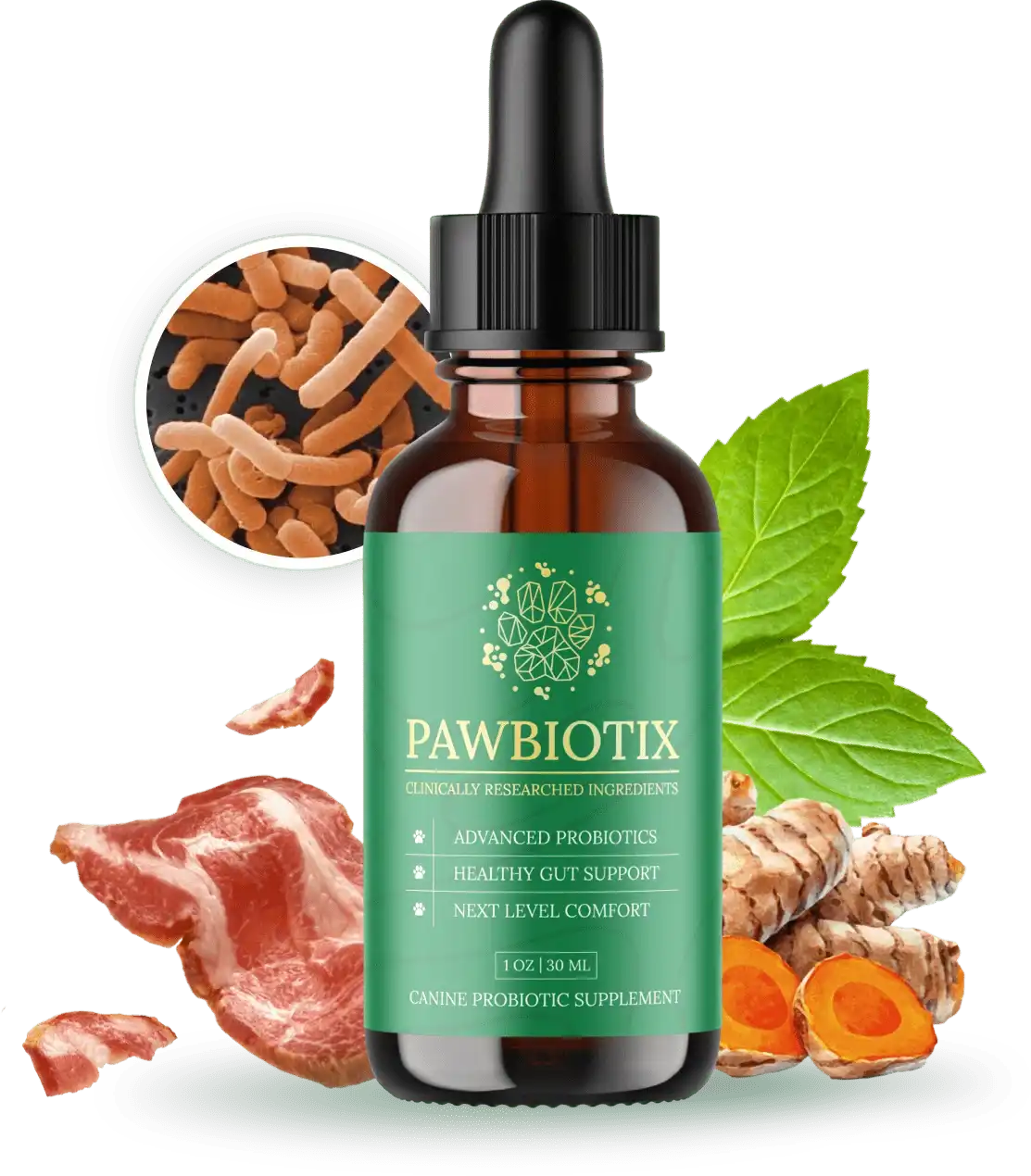
Imagine your dog free from digestive discomfort – no more upset stomachs, excessive gas, or irregular bowel movements. PawBiotix is a premium, all-natural supplement meticulously crafted to support your dog's gut health from the inside out. Our unique blend of powerful probiotics, prebiotics, and botanicals works synergistically to restore balance, soothe irritation, and enhance nutrient absorption, helping your furry friend thrive.
- ✓ Supports a balanced gut microbiome for optimal digestion
- ✓ Reduces gas, bloating, and occasional digestive upset
- ✓ Enhances nutrient absorption for improved vitality
- ✓ Strengthens the immune system, starting in the gut
- ✓ Made with natural, high-quality ingredients for peace of mind




Preventative Measures for Long-Term Canine Gut Health
Beyond addressing immediate digestive issues, establishing a proactive approach is vital for maintaining your dog's long-term gut health. Prevention is always better than cure, and by integrating these practices into your daily routine, you can significantly reduce the likelihood of future digestive problems and ensure your dog enjoys a vibrant, healthy life.
1. Consistent, High-Quality Diet
Stick to a consistent, high-quality dog food that agrees with your pet. Avoid frequent changes, and if a change is necessary, introduce the new food gradually over 7-10 days by mixing increasing amounts with the old food. This allows your dog's digestive system to adapt without shock. Ensure the diet is free from unnecessary fillers, artificial ingredients, and common allergens.
2. Regular Probiotic and Prebiotic Supplementation
Even healthy dogs can benefit from daily probiotic and prebiotic supplementation. This helps maintain a robust and diverse gut microbiome, which is the first line of defense against digestive upset and supports overall immune function. Consider a well-formulated supplement like PawBiotix to provide consistent gut support.
3. Adequate Hydration
Always provide access to fresh, clean water. Proper hydration is essential for digestion, nutrient absorption, and preventing constipation. Consider multiple water bowls, a pet drinking fountain, or adding moisture to your dog's food, especially if they primarily eat dry kibble.
4. Portion Control and Meal Timing
Feed appropriate portion sizes to prevent overeating, which can lead to indigestion, bloating, and even life-threatening conditions like bloat (GDV) in susceptible breeds. Feeding two smaller meals a day instead of one large one can also aid digestion and reduce stomach upset.
5. Limit Table Scraps and "Human" Foods
Many human foods, even seemingly harmless ones, can cause digestive upset in dogs due to differences in their digestive systems. Fatty foods, dairy, and certain spices are common culprits. Stick to dog-specific treats and foods. Always be aware of toxic foods like chocolate, grapes, onions, and xylitol.
6. Stress Reduction
Minimize stress in your dog's environment. Provide a predictable routine, plenty of exercise, mental stimulation, and a safe, comfortable space. Address separation anxiety or other behavioral issues that may contribute to stress-related digestive problems.
7. Regular Exercise
Daily physical activity promotes healthy gut motility, helping food move through the digestive tract efficiently and reducing the risk of constipation. It also helps manage stress and maintain a healthy weight.
8. Prevent Scavenging
Supervise your dog outdoors to prevent them from eating garbage, dead animals, or other potentially harmful items that can cause severe digestive upset or parasitic infections.
9. Routine Veterinary Check-ups and Parasite Control
Regular veterinary visits are crucial for early detection of any underlying health issues, including digestive disorders. Maintain a consistent deworming schedule as recommended by your vet to prevent parasitic infestations that can wreak havoc on the gut.
10. Monitoring Stool Quality
Regularly observe your dog's stool for changes in consistency, color, frequency, or the presence of blood or mucus. This can be an early indicator of digestive problems, allowing for prompt intervention. A healthy stool is typically firm, moist, and well-formed.
By implementing these preventative measures, you're not just reacting to problems; you're actively building a foundation for robust digestive health, ensuring your dog can enjoy a long, happy, and comfortable life.
Happy Paws, Happy Guts: Real Stories from PawBiotix Users
"My Golden Retriever, Buddy, used to have such a sensitive stomach. Bloating, gas, and loose stools were a daily struggle. We tried so many things, but nothing truly helped until PawBiotix. Within a few weeks, his digestion improved dramatically. His stools are firm, his gas is gone, and he's got so much more energy. It's truly been a game-changer for his quality of life!"
"As a vet tech, I'm skeptical of many supplements, but I was desperate to help my senior Dachshund, Penny, with her chronic constipation. I started her on PawBiotix, and the results are undeniable. She's now having regular, comfortable bowel movements, and her appetite has even improved. It's wonderful to see her so much more comfortable and happy. Highly recommend!"
"My rescue dog, Luna, came with a lot of anxiety and digestive issues. She'd get diarrhea every time we had visitors or went to the park. A friend suggested PawBiotix, and I'm so glad I listened. Not only has her stomach settled down significantly, but she also seems calmer overall. Her coat is shinier, and she's just a happier, healthier dog. This supplement truly works!"
When to Consult Your Veterinarian: Prioritizing Professional Guidance
While natural remedies and holistic approaches can offer significant support for canine digestive health, it is absolutely critical to understand their role as complementary therapies, not replacements for professional veterinary care. There are specific situations where seeking immediate veterinary attention is paramount to ensure your dog's safety and well-being. Delaying professional diagnosis and treatment can have serious, even life-threatening, consequences.
Seek Immediate Veterinary Care If Your Dog Experiences:
- Severe or Persistent Vomiting: Especially if accompanied by lethargy, weakness, or inability to keep water down. This can quickly lead to dehydration.
- Bloody Vomit or Diarrhea: Any presence of fresh red blood or dark, tarry stools (melena) indicates serious internal bleeding and requires urgent medical intervention.
- Extreme Lethargy or Weakness: If your dog is unusually tired, unresponsive, or collapses, it could signal a severe underlying condition or extreme dehydration.
- Signs of Severe Abdominal Pain: This includes a hunched posture, distended or hard abdomen, reluctance to move, whining, panting, or guarding their belly. This could indicate bloat (GDV), pancreatitis, or an obstruction.
- Ingestion of Toxins: If you suspect your dog has eaten something poisonous (e.g., chocolate, certain plants, household chemicals), do not wait for symptoms to appear. Contact your vet or an emergency animal hospital immediately.
- Unproductive Vomiting or Retching: Especially in large, deep-chested breeds, this can be a sign of gastric dilatation-volvulus (GDV), or bloat, which is a life-threatening emergency.
- Fever: A rectal temperature above 102.5°F (39.2°C) coupled with digestive symptoms can indicate infection or severe inflammation.
Consult Your Veterinarian for Chronic or Recurring Issues:
- Chronic Diarrhea or Constipation: If digestive issues persist for more than 48 hours or recur frequently, a vet can help identify underlying causes such as food allergies, IBD, parasites, or organ dysfunction.
- Unexplained Weight Loss: Despite a normal or increased appetite, weight loss can indicate malabsorption or other serious conditions.
- Changes in Appetite or Thirst: Persistent loss of appetite or excessive thirst can be symptoms of various health problems.
- Behavioral Changes: If your dog becomes unusually withdrawn, aggressive, or exhibits other behavioral shifts alongside digestive issues, it warrants a vet visit.
Your veterinarian has the diagnostic tools and medical expertise to accurately diagnose the cause of your dog's digestive problems. They can perform physical exams, blood tests, fecal analyses, imaging (X-rays, ultrasound), and even biopsies if necessary. Based on their findings, they can recommend the most appropriate course of action, which may include prescription medications, dietary changes, or a referral to a specialist.
Natural remedies are powerful tools for support and maintenance, but they should always be used under the guidance of a veterinarian, especially when dealing with complex or severe conditions. By working collaboratively with your vet, you can ensure your dog receives the best possible care, integrating both conventional medicine and beneficial natural approaches for optimal health and recovery.
Conclusion: Empowering Your Dog's Digestive Health Naturally
Navigating the complexities of canine digestive health can feel overwhelming, but as we've explored, a wealth of natural remedies and holistic strategies exist to support our furry companions. From understanding the root causes of common disorders to implementing dietary changes, incorporating beneficial probiotics and prebiotics, and harnessing the power of botanicals, there are numerous ways to foster a thriving gut environment for your dog.
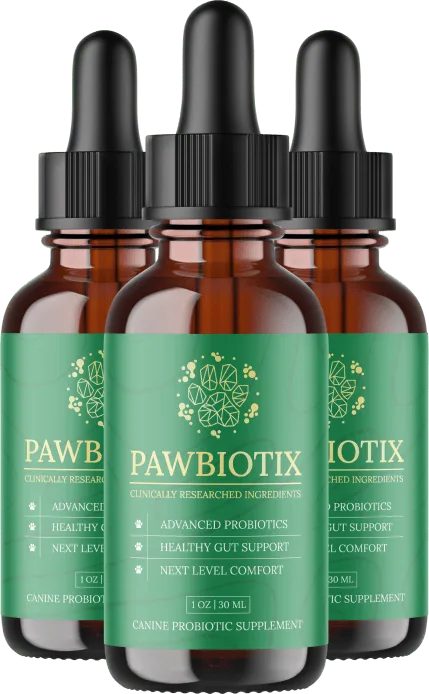
The journey to optimal digestive health for your dog is a partnership – between you, your veterinarian, and the incredible healing potential of nature. By paying close attention to your dog's symptoms, making informed dietary choices, managing stress, and considering targeted natural supplements, you can play an active role in their well-being. Products like PawBiotix, formulated with carefully selected ingredients like Bacillus coagulans, Turmeric, and Fennel, offer a convenient and effective way to provide comprehensive gut support, helping to balance the microbiome, soothe inflammation, and enhance nutrient absorption.
Remember that a healthy gut is foundational to overall health, impacting everything from immune function and energy levels to mood and coat quality. While natural solutions are powerful, always maintain open communication with your veterinarian, especially for severe or chronic conditions, to ensure a comprehensive and integrated approach to your dog's care.
Empowering your dog with the comfort of a healthy digestive system means a happier, more energetic, and more joyful companion by your side. Embrace these natural remedies and holistic practices, and watch your dog thrive with renewed vitality and comfort.
Frequently Asked Questions
What are the most common signs of digestive issues in dogs?
+Common signs include vomiting, diarrhea, constipation, bloating, excessive gas, loss of appetite, weight loss, lethargy, and changes in stool consistency or frequency. If you notice persistent or severe symptoms, it's crucial to consult your veterinarian.
How can diet impact my dog's digestive health?
+Diet plays a crucial role. Poor-quality food, sudden dietary changes, food allergies, or sensitivities can all disrupt your dog's digestive system. A balanced diet with high-quality ingredients, appropriate fiber, and beneficial probiotics can significantly support gut health.
Are natural remedies safe for all dogs with digestive problems?
+While many natural remedies are safe and effective, individual responses can vary. Factors like your dog's age, breed, existing health conditions, and medications can influence suitability. Always consult your veterinarian before introducing any new supplements or herbal remedies to ensure they are appropriate for your specific dog.
What is the role of probiotics in canine digestive health?
+Probiotics are beneficial bacteria that help maintain a healthy balance in your dog's gut microbiome. They can aid digestion, nutrient absorption, support the immune system, and help alleviate symptoms like diarrhea or constipation, especially after antibiotic use or periods of stress.
When should I seek veterinary attention for my dog's digestive issues?
+You should seek veterinary attention immediately if your dog experiences severe vomiting or diarrhea (especially with blood), extreme lethargy, signs of pain, inability to keep water down, or if symptoms persist for more than 24-48 hours. Always consult a vet for any concerning or chronic digestive issues.
How does PawBiotix support canine digestive health?
+PawBiotix is formulated with a blend of natural ingredients, including specific probiotics like Bacillus coagulans, prebiotics, and digestive enzymes, alongside powerful botanicals like Turmeric and Fennel. These ingredients work synergistically to balance the gut microbiome, support nutrient absorption, soothe digestive discomfort, and bolster overall gut health.
Related Articles