Is Your Dog Struggling with Diarrhea?
As devoted pet parents, few things are as unsettling as seeing our beloved canine companions suffer from an upset stomach, especially when it manifests as diarrhea. It's a common ailment, but one that can quickly cause concern, leaving us wondering about the cause and the best course of action.
Understanding the nuances of dog diarrhea – from identifying its various causes to knowing which home remedies are safe and effective, and most importantly, when to seek professional veterinary help – is crucial for every dog owner. This comprehensive guide aims to equip you with the knowledge to navigate this common canine health issue with confidence and care.
Understanding Dog Diarrhea: More Than Just an Upset Tummy
Diarrhea in dogs is characterized by loose, watery, or unformed stools, often accompanied by an increased frequency of defecation. While it's a common issue, understanding its nature and potential implications is key to effective management.
At its core, diarrhea is the body's way of rapidly expelling irritants or toxins from the digestive tract. This accelerated transit time means that food and water aren't absorbed properly, leading to the characteristic loose stools. It can range from a single episode of soft stool to severe, prolonged bouts of watery discharge, and can be categorized into two main types: acute diarrhea and chronic diarrhea.
Acute diarrhea is sudden in onset and typically resolves within a few days. It's often caused by dietary indiscretion (eating something they shouldn't), stress, or minor infections. While distressing, these cases often respond well to simple home care. Chronic diarrhea, on the other hand, persists for weeks, months, or recurs frequently. This type usually signals a more significant underlying health issue requiring thorough veterinary investigation. Recognizing the difference and observing your dog's overall demeanor are critical first steps in determining the best course of action.
💡 Key Takeaway
Dog diarrhea, characterized by loose or watery stools, is a common ailment that can be either acute (sudden and short-lived) or chronic (long-lasting or recurring). Understanding the type and observing accompanying symptoms are crucial for determining the severity and necessary treatment.
Common Causes of Diarrhea in Dogs
The causes of canine diarrhea are incredibly diverse, ranging from simple dietary mishaps to complex medical conditions. Pinpointing the exact cause can sometimes be challenging, but understanding the most common culprits can help you and your vet narrow down the possibilities.
One of the most frequent causes is dietary indiscretion, often affectionately called "garbage gut." This occurs when dogs eat something they shouldn't, like spoiled food from the trash, rich human foods, or even non-food items. Their digestive systems are not equipped to handle such foreign or irritating substances, leading to inflammation and upset. A sudden change in diet, even to a new brand of dog food, can also trigger diarrhea as their system adjusts.
Stress and anxiety are surprisingly common triggers. Just like humans, dogs can experience gastrointestinal upset when stressed. A new environment, separation anxiety, loud noises, or even a trip to the vet can manifest as loose stools. This highlights the strong gut-brain connection in canines.
Parasites are another major concern. Intestinal worms such as roundworms, hookworms, whipworms, and tapeworms, along with protozoa like Giardia and Coccidia, can cause significant irritation and inflammation in the gut, leading to chronic or recurrent diarrhea. Regular deworming and fecal tests are essential preventative measures.
Bacterial and viral infections, while less common than dietary issues, can be very serious. Pathogens like Salmonella, E. coli, Campylobacter, and Parvovirus (especially in puppies) can cause severe, sometimes bloody, diarrhea, often accompanied by vomiting and lethargy. These require immediate veterinary attention.
Food allergies or sensitivities can also cause chronic diarrhea. Dogs can develop adverse reactions to certain proteins (like chicken, beef, dairy) or grains in their diet. Identifying and eliminating the offending ingredient through an elimination diet is often necessary.
Certain medications, particularly antibiotics, can disrupt the natural balance of gut bacteria, leading to diarrhea. Non-steroidal anti-inflammatory drugs (NSAIDs) can also cause gastrointestinal upset in some dogs. Always discuss potential side effects with your vet.
Finally, more serious underlying medical conditions can manifest as diarrhea. These include inflammatory bowel disease (IBD), pancreatitis, kidney disease, liver disease, adrenal gland disease (Addison's disease), and certain types of cancer. If diarrhea persists or recurs, a thorough veterinary workup is crucial to rule out these conditions.
Home Remedies for Mild Dog Diarrhea
For mild, acute cases of diarrhea where your dog is otherwise acting normal (alert, eating, no fever or vomiting), there are several safe and effective home remedies you can try. Always observe your dog closely for any worsening symptoms.
Temporary Fasting
For an adult dog, withholding food for 12-24 hours can give their digestive system a much-needed rest and allow the inflamed gut lining to recover. Ensure they have constant access to fresh water during this time to prevent dehydration. Do not fast puppies or very small, elderly, or sick dogs without veterinary guidance, as they are more prone to hypoglycemia.
Bland Diet Introduction
After the fasting period, introduce a bland diet gradually. The most common and effective bland diet consists of plain, boiled, skinless, boneless chicken breast mixed with plain white rice. The ratio is typically 1 part chicken to 2 parts rice. Feed small, frequent meals throughout the day for 2-3 days, slowly increasing the portion size as stools firm up.
Canned Pumpkin (Plain)
Plain, unsweetened canned pumpkin (not pumpkin pie filling!) is an excellent source of soluble fiber, which can help absorb excess water in the digestive tract and firm up stools. It also acts as a prebiotic, feeding beneficial gut bacteria. Start with small amounts: 1-2 teaspoons for small dogs, 1-2 tablespoons for medium dogs, and 2-4 tablespoons for large dogs, mixed into their bland food.
Ensure Hydration
Diarrhea causes significant fluid loss, making dehydration a serious concern. Always provide plenty of fresh, clean water. You can also offer low-sodium chicken or beef broth (ensure no onion or garlic) or electrolyte solutions specifically designed for pets in small amounts to encourage drinking and replenish lost minerals.
Probiotics for Gut Health
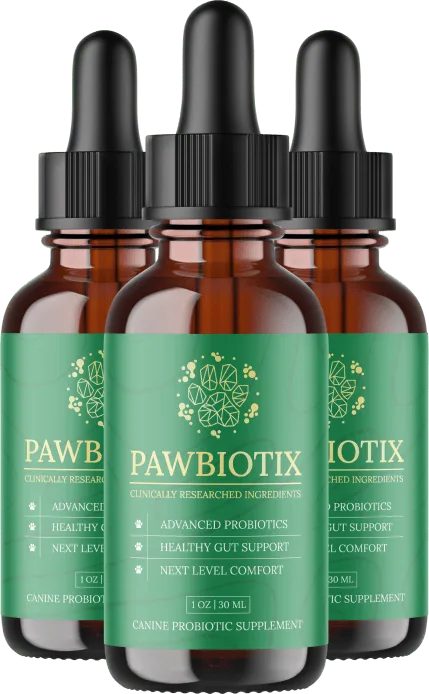
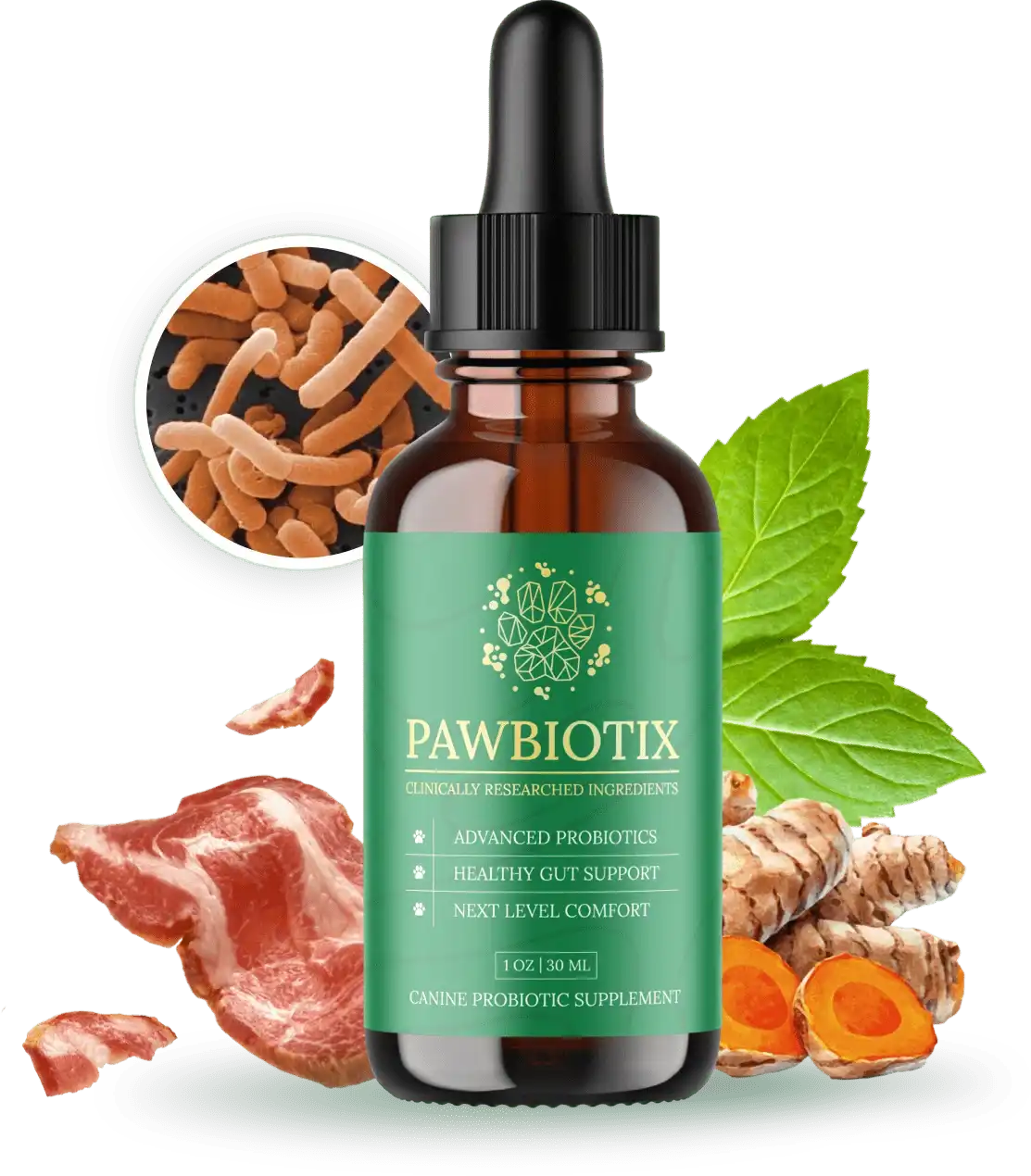
Once your dog's stomach has settled, introducing a high-quality canine-specific probiotic can be highly beneficial. Probiotics help restore the balance of beneficial bacteria in the gut, which can be disrupted by diarrhea. This promotes healthier digestion and strengthens the immune system. For a comprehensive approach to dog immune support supplement and gut health, many owners turn to specialized formulas like PawBiotix, which combines potent probiotics with other natural ingredients.
Gradual Return to Regular Diet
After 2-3 days of a bland diet and firming stools, slowly transition your dog back to their regular food. Mix a small amount of their normal food with the bland diet for a day or two, then gradually increase the proportion of regular food over several days until they are fully back on their usual diet. This prevents a sudden shock to their system.
When to See a Vet: Recognizing Red Flags
While many cases of mild diarrhea can be managed at home, it's crucial to know when to seek professional veterinary attention. Ignoring serious symptoms can lead to severe dehydration, nutrient deficiencies, or progression of underlying diseases.
Duration and Frequency: If diarrhea persists for more than 24-48 hours, especially in puppies, senior dogs, or those with existing health conditions, it's time to call the vet. Frequent, explosive diarrhea can quickly lead to dehydration, which can be life-threatening.
Severity of Symptoms: Be alert for any of the following concerning signs:
- Bloody Diarrhea: Bright red streaks indicate fresh blood, often from the lower digestive tract, while dark, tarry stools (melena) suggest digested blood from the upper digestive tract. Both are emergencies.
- Severe Vomiting: If diarrhea is accompanied by repeated or projectile vomiting, it increases the risk of dehydration and could indicate a more serious issue like pancreatitis or an obstruction.
- Lethargy, Weakness, or Pain: A dog that is unusually tired, weak, reluctant to move, or shows signs of abdominal pain (e.g., hunched posture, sensitivity to touch) requires immediate veterinary care.
- Loss of Appetite or Refusal to Drink: If your dog stops eating or drinking, dehydration will rapidly worsen.
- Fever: A rectal temperature above 103°F (39.4°C) can indicate an infection.
- Pale Gums: A sign of shock or severe dehydration.
Age and Breed Considerations: Puppies are particularly vulnerable to dehydration and infections like Parvovirus, making diarrhea a critical concern. Small breeds also dehydrate more quickly. Senior dogs or those with compromised immune systems or pre-existing conditions (e.g., diabetes, kidney disease) are at higher risk and should be seen by a vet sooner rather than later.
Even if you're unsure, it's always best to err on the side of caution and consult your veterinarian. They can conduct a thorough examination, perform diagnostic tests (like fecal analysis, blood work, or imaging), and provide appropriate treatment, which might include medications, intravenous fluids, or dietary prescriptions. Remember, early intervention can make a significant difference in your dog's recovery and overall health.
💡 Key Takeaway
While mild diarrhea can often be managed at home, immediate veterinary attention is required if diarrhea is severe, bloody, accompanied by vomiting, lethargy, pain, or if your dog is a puppy, senior, or has pre-existing health conditions. Always prioritize professional medical advice when in doubt.
Preventing Diarrhea: A Proactive Approach to Canine Gut Health
The best defense against diarrhea is a good offense. By adopting proactive measures focused on diet, environment, and overall wellness, you can significantly reduce the likelihood of your dog experiencing digestive upset.
Consistent Diet and Gradual Transitions: Stick to a high-quality, consistent dog food that agrees with your pet. If you need to change their food, do so gradually over 7-10 days, mixing increasing amounts of the new food with decreasing amounts of the old. This allows their digestive system to adjust without shock. Avoid feeding table scraps, especially fatty, spicy, or sugary human foods, which can easily trigger an upset stomach.
Prevent Scavenging: Keep your dog away from trash cans, compost piles, and anything else they might be tempted to eat outdoors. Supervise them closely on walks to prevent them from ingesting questionable items like dead animals, foreign objects, or toxic plants.
Stress Management: Recognize and minimize sources of stress for your dog. Provide a predictable routine, a safe and quiet space, and plenty of exercise and mental stimulation. For dogs prone to anxiety, consider calming supplements or behavioral training, as a calm mind often leads to a calm gut.
Regular Veterinary Check-ups and Parasite Control: Routine vet visits are essential for early detection of potential health issues. Your vet can recommend a consistent deworming schedule and perform regular fecal tests to check for intestinal parasites, which are a common cause of chronic diarrhea. Vaccinations also protect against severe viral infections that cause diarrhea.
The Role of Gut Health and Immunity: A healthy gut microbiome is the cornerstone of robust digestion and a strong immune system. When the balance of good bacteria is disrupted, it can lead to increased susceptibility to digestive issues. Supplementing your dog's diet with a high-quality probiotic can help maintain this delicate balance, promoting optimal gut function and resilience against stressors.
Products like PawBiotix are specifically formulated to support your dog's digestive and immune health. By providing a blend of beneficial probiotics, prebiotics, and other natural ingredients, it helps create an environment where good bacteria thrive, nutrient absorption is optimized, and the gut barrier is strengthened. This proactive approach can significantly reduce the frequency and severity of digestive upsets, contributing to your dog's overall vitality. To understand more about what makes PawBiotix an effective solution, you might want to read a PawBiotix review: Does it work?.
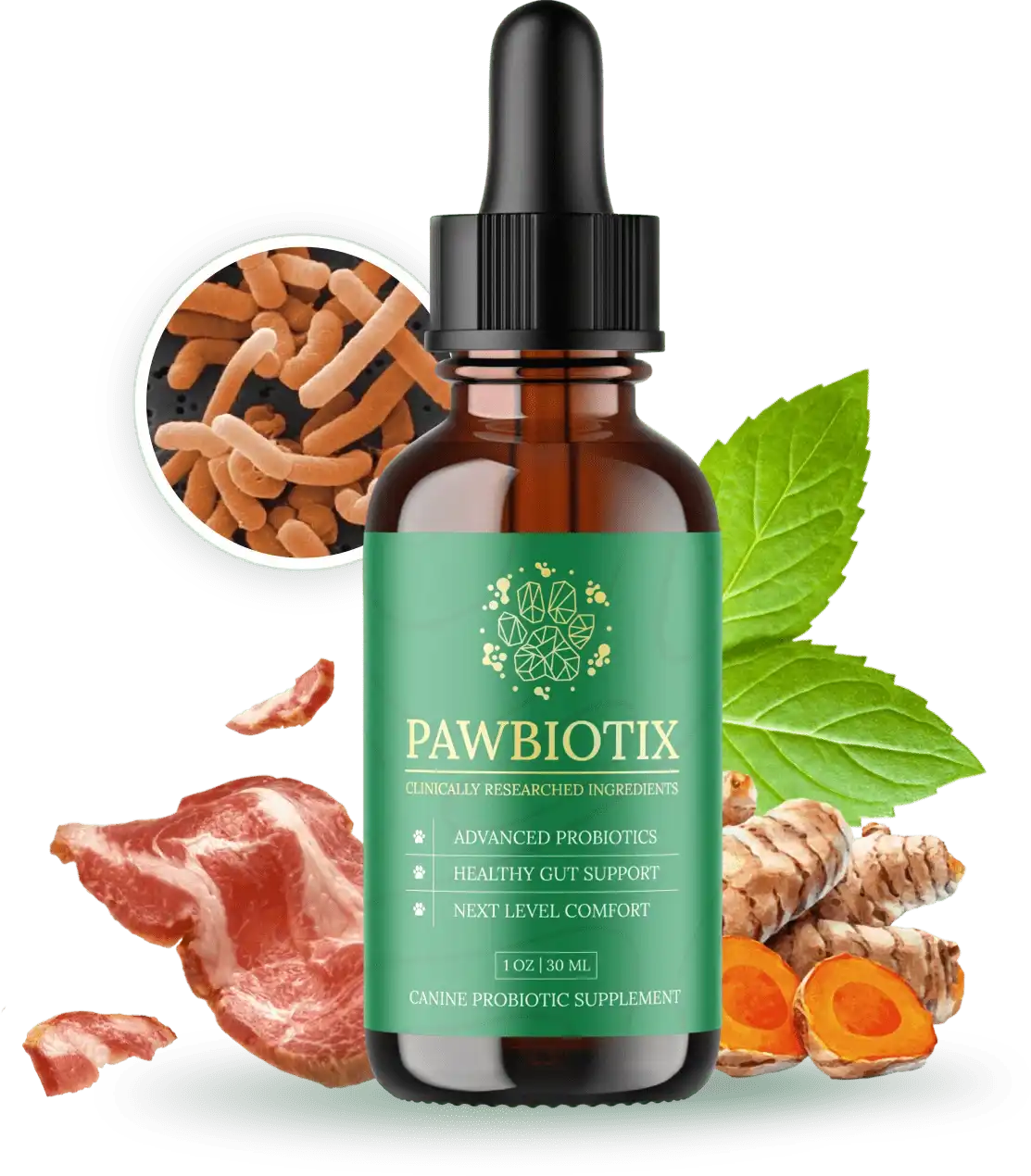
Introducing PawBiotix: Supporting Your Dog's Digestive and Immune Health
While immediate remedies address acute diarrhea, long-term digestive wellness requires a foundational approach. PawBiotix is formulated to provide comprehensive support for your dog's gut microbiome and immune system, helping to prevent future upsets and promote overall vitality.
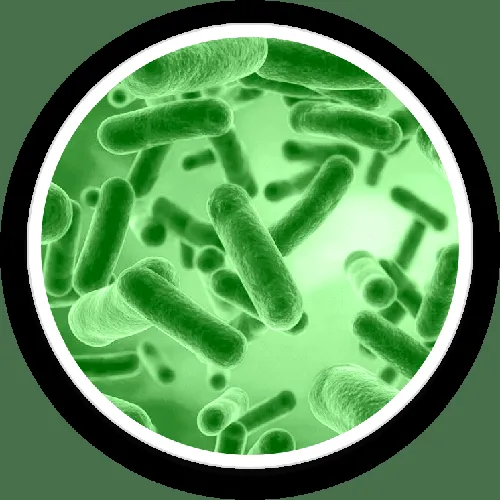
Bacillus Coagulans
Role: A highly resilient probiotic spore that survives stomach acid to reach the intestines, where it supports a healthy balance of gut bacteria, aids digestion, and strengthens the immune response.
5-10 Billion CFU
Chlorella Powder
Role: A nutrient-dense superfood algae that supports detoxification, provides essential vitamins and minerals, and promotes a healthy gut environment, contributing to overall well-being.
100-200 mg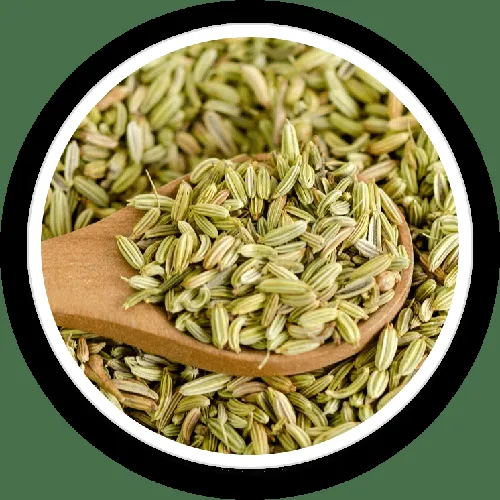
Fennel Seed Powder
Role: Known for its natural digestive properties, fennel can help soothe an upset stomach, reduce gas and bloating, and support healthy bowel movements, easing discomfort.
50-150 mg
Organic Kelp Powder
Role: A rich source of minerals, including iodine, which supports thyroid health. Kelp also provides prebiotics that nourish beneficial gut bacteria, contributing to digestive regularity and immune function.
50-100 mg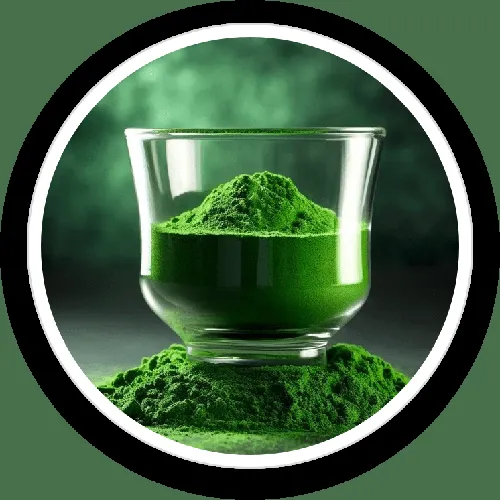
Sodium Copper Chlorophyllin
Role: A powerful detoxifier and natural deodorizer, it helps cleanse the body and can contribute to fresher breath and improved internal balance, supporting overall cellular health.
25-50 mg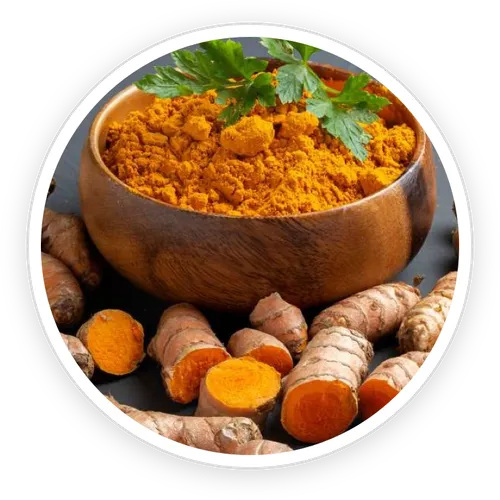
Turmeric Root Extract
Role: Contains curcumin, a potent anti-inflammatory compound that can help reduce gut inflammation, alleviate digestive discomfort, and support a healthy immune response.
50-100 mgThese ingredients work synergistically to provide comprehensive digestive and immune support. By fostering a balanced gut microbiome, PawBiotix aims to not only alleviate current digestive issues but also to build a stronger, more resilient foundation for your dog's long-term health. For more details on where to purchase this beneficial supplement, you can visit the where to buy PawBiotix page.
Give Your Dog the Gift of Optimal Gut Health
Don't let digestive issues diminish your dog's quality of life. PawBiotix offers a powerful, natural solution to support their gut health, boost immunity, and promote overall well-being. Formulated with a blend of potent probiotics and natural ingredients, it's designed to help your furry friend thrive.
- ✓ Supports a balanced gut microbiome
- ✓ Enhances nutrient absorption and digestion
- ✓ Strengthens the immune system
- ✓ Reduces inflammation and discomfort
- ✓ Made with 100% natural, high-quality ingredients




What Happy Pet Parents Are Saying
"My golden retriever, Buddy, used to have chronic soft stools and occasional bouts of diarrhea. We tried everything! Since starting PawBiotix a few months ago, his digestion has been incredibly consistent. No more tummy troubles, and he seems so much happier and energetic. It's truly been a game-changer for us."
"My vet recommended a probiotic for my senior dog, Max, who has a sensitive stomach. I chose PawBiotix after researching the ingredients. I'm amazed at the difference! His digestion is smoother, and he has more regular bowel movements. He even seems to have more pep in his step. Highly recommend for older dogs with digestive issues."
"I was skeptical at first, but my beagle, Lucy, was struggling with recurring diarrhea. After about two weeks on PawBiotix, I noticed a huge improvement. Her stools are finally firm, and she hasn't had an episode since. It's a relief not to constantly worry about her tummy. So glad I found this product!"
Frequently Asked Questions
What causes dog diarrhea?
+Dog diarrhea can stem from various causes, including dietary indiscretion (eating something inappropriate), sudden changes in diet, stress, parasites (like worms or Giardia), bacterial or viral infections, food allergies or sensitivities, certain medications, or more serious underlying health conditions such as inflammatory bowel disease, pancreatitis, or organ dysfunction.
When should I take my dog to the vet for diarrhea?
+You should seek veterinary attention if diarrhea is severe, lasts longer than 24-48 hours, is accompanied by other symptoms like repeated vomiting, lethargy, loss of appetite, abdominal pain, fever, or if you notice blood (bright red or dark, tarry stool) or mucus in the stool. Puppies, senior dogs, and those with pre-existing conditions are at higher risk and should be seen sooner.
What are some safe home remedies for mild dog diarrhea?
+For mild, acute diarrhea without other concerning symptoms, home remedies include a temporary 12-24 hour fast (water only), followed by a bland diet of boiled chicken (skinless, boneless) and plain white rice, or canned pumpkin. Ensuring adequate hydration is crucial. Probiotics specifically formulated for dogs can also help restore gut flora.
How can PawBiotix help with my dog's digestive health?
+PawBiotix is a natural supplement designed to support overall canine gut health and immune function. Its blend of probiotics, prebiotics, and natural ingredients helps balance the gut microbiome, improve nutrient absorption, strengthen the intestinal barrier, and reduce inflammation, potentially preventing future digestive upsets and supporting a stronger immune system.
Is a bland diet always necessary after dog diarrhea?
+A bland diet is highly recommended after a bout of diarrhea to allow the digestive system to rest and recover. It provides easily digestible nutrients without irritating the stomach or intestines. Gradually reintroducing your dog's regular food over several days, mixed with the bland diet, helps prevent a relapse of symptoms.
Can stress cause diarrhea in dogs?
+Yes, stress and anxiety are common triggers for acute diarrhea in dogs. Changes in routine, new environments, separation anxiety, loud noises, or visits to the vet can all manifest as gastrointestinal upset due to the strong gut-brain connection. Managing stress through a consistent routine, calming techniques, and a healthy gut microbiome can help.
Related Articles