Is Your Dog's Itchy Skin a Cry for Help from Their Gut?
As a veterinary health researcher, I’ve seen countless dogs suffer from persistent skin issues – endless scratching, red patches, hot spots, and dull coats. Owners often feel helpless, trying one topical cream after another, or constantly changing diets, only to find temporary relief or no improvement at all. It's a frustrating cycle that impacts both the dog's quality of life and the owner's peace of mind.
What if I told you that the answer to your dog's chronic skin problems might not be found on the surface, but deep within their digestive system? Emerging research and clinical experience increasingly point to a profound connection between a dog's gut health and the health of their skin, a relationship often referred to as the "gut-skin axis."
The Epidemic of Canine Skin Issues: More Than Just "Allergies"
For many dog owners, skin problems are an all-too-familiar battle. From relentless scratching to visible rashes, these issues can significantly diminish a dog's comfort and overall quality of life. But what exactly are we dealing with?
Canine dermatological conditions encompass a wide range of issues, including atopic dermatitis (environmental allergies), food allergies, flea allergy dermatitis, bacterial or yeast infections, and parasitic infestations. While these are distinct conditions, they often present with similar, distressing symptoms: intense itching (pruritus), redness, inflammation, hair loss, scabbing, and unpleasant odors. What’s more concerning is the increasing prevalence of these issues, turning what used to be occasional occurrences into chronic, debilitating problems for many pets.
Conventional approaches often focus on symptom management: antihistamines, steroids, medicated shampoos, and prescription diets. While these can offer temporary relief, they rarely address the underlying cause. This is where a holistic perspective, particularly focusing on the gut, becomes paramount. We are beginning to understand that many skin conditions are not isolated problems, but rather external manifestations of internal imbalances, particularly within the digestive and immune systems. For a deeper dive into why dogs' stomachs are often upset, you might find this article insightful: Why Dogs' Stomachs Are Always Upset.
The skin, being the largest organ, serves as a protective barrier and is often the first place to show signs of internal distress. When a dog's immune system is overactive or compromised, it can manifest as chronic skin inflammation. This is why simply treating the skin surface often fails to provide lasting relief; the root cause needs to be identified and addressed from within. This paradigm shift in understanding canine dermatological issues is crucial for truly helping our furry friends find lasting comfort and health.
💡 Key Takeaway
Many chronic dog skin problems, often mislabeled as simple allergies, are actually external symptoms of deeper internal imbalances, with the gut playing a central, often overlooked, role in immune and inflammatory responses.
The Gut-Skin Axis: How Your Dog's Digestive Health Dictates Skin Vitality
The concept of the "gut-skin axis" might sound complex, but it's a fundamental biological principle: the health of your dog's digestive system is intrinsically linked to the health of their skin. This connection is mediated by the immune system, which is heavily concentrated in the gut.
Your dog's gut is home to trillions of microorganisms, collectively known as the gut microbiome. This diverse community of bacteria, fungi, and viruses plays a critical role in digestion, nutrient absorption, vitamin synthesis, and, most importantly, immune system regulation. A balanced microbiome helps maintain the integrity of the gut lining, preventing unwanted substances from entering the bloodstream.
When the gut microbiome becomes imbalanced (a condition called dysbiosis) or the gut lining becomes compromised (often referred to as "leaky gut" or increased intestinal permeability), it can have profound systemic effects. A leaky gut allows undigested food particles, toxins, and harmful bacteria to pass from the intestines into the bloodstream. The body's immune system perceives these as foreign invaders, triggering a widespread inflammatory response.
This chronic, low-grade inflammation can then manifest in various ways, and the skin is a common target. It can weaken the skin's natural barrier, making it more susceptible to allergens, irritants, and infections. This leads to symptoms such as excessive itching, redness, rashes, dry or oily skin, and the development of hot spots or secondary bacterial and yeast infections. Essentially, a troubled gut sends distress signals throughout the body, and the skin often bears the brunt of this internal turmoil. Understanding this axis is the first step toward effective, long-term solutions for your dog's skin health.
Beyond the Itch: Signs Your Dog's Gut Might Be the Problem
While persistent itching and skin irritation are major red flags, a struggling gut often presents a constellation of other symptoms. Recognizing these can help you connect the dots and seek appropriate intervention.
Chronic Digestive Upset
Frequent bouts of diarrhea, constipation, vomiting, or excessive gas are classic indicators of an imbalanced gut. If your dog experiences these regularly, it's a strong sign their digestive system isn't functioning optimally, directly impacting nutrient absorption and waste elimination.
Poor Coat Quality & Excessive Shedding
A dull, dry, brittle coat, or shedding far more than usual, can stem from inadequate nutrient absorption due to poor gut health. Essential fatty acids, vitamins, and minerals crucial for a healthy coat may not be properly assimilated when the gut is compromised.
Recurrent Ear Infections
Often linked to allergies, chronic ear infections (especially yeast infections) are frequently a sign of systemic inflammation and an overactive immune response originating in the gut. The skin lining the ear canal becomes inflamed and susceptible to opportunistic pathogens.
Bad Breath & Dental Issues
While some bad breath is normal, persistent, foul odor can indicate digestive problems. An unhealthy gut microbiome can lead to an overgrowth of odor-producing bacteria that can affect breath quality, sometimes even contributing to dental plaque buildup.
Lethargy & Behavioral Changes
A dog with chronic inflammation and discomfort from gut issues may exhibit low energy, reduced enthusiasm for play, or even increased anxiety or irritability. The gut-brain axis is well-documented, showing that gut health can significantly influence mood and behavior.
gut and skin health!
Key Factors Contributing to Poor Gut Health in Dogs
Understanding the causes of gut dysbiosis is crucial for prevention and effective treatment. Several factors in a dog's modern lifestyle can disrupt their delicate microbiome.
One of the primary culprits is a highly processed diet. Many commercial dog foods are laden with artificial preservatives, colors, fillers, and low-quality protein sources that are difficult for dogs to digest. These ingredients can feed harmful bacteria, trigger inflammation, and diminish the diversity of beneficial gut flora. A diet lacking in fiber and natural enzymes further exacerbates the problem, leading to a sluggish digestive system and impaired nutrient absorption. For insights into choosing the best supplements, consider reading Best Pet Health Supplement.
Another significant factor is the overuse of antibiotics. While often necessary for acute infections, antibiotics are indiscriminate killers – they destroy both harmful and beneficial bacteria in the gut. This disruption can take months to recover from, leaving the gut vulnerable to opportunistic pathogens and contributing to long-term dysbiosis. Similarly, frequent use of certain anti-inflammatory drugs (NSAIDs) can also impact gut integrity.
Stress, whether from environmental changes, separation anxiety, or lack of exercise, also plays a critical role. The gut-brain axis ensures that psychological stress can directly impact gut motility, permeability, and microbiome composition. A stressed dog is more likely to experience digestive upset and inflammation.
Lastly, environmental toxins and chemicals, from pesticides on lawns to cleaning products in the home, can be ingested by dogs through licking their paws and fur. These toxins can irritate the gut lining, contribute to inflammation, and negatively affect the microbiome. Understanding these common triggers empowers owners to make informed choices that protect their dog's gut health and, by extension, their skin.
Holistic Approaches to Support Your Dog's Gut & Skin Health
Addressing your dog's gut and skin health requires a multi-faceted, holistic approach that goes beyond quick fixes. By focusing on fundamental aspects of their care, you can foster long-term well-being.
Optimize Diet Quality
Transitioning to a high-quality, species-appropriate diet is paramount. This means choosing foods with whole, recognizable ingredients, high-quality animal protein, and minimal fillers or artificial additives. Many owners find success with fresh, homemade, or raw diets. Consider novel protein sources if food allergies are suspected. Adding fresh vegetables and fruits can also provide essential fiber and antioxidants.
Introduce Probiotics & Prebiotics
Probiotics introduce beneficial bacteria to the gut, helping to restore balance and strengthen the gut barrier. Prebiotics (fibers that feed good bacteria) provide essential nourishment for these beneficial microbes. Together, they create a robust and diverse microbiome. Look for canine-specific probiotic supplements with multiple strains and high colony-forming units (CFUs). You can explore options like those mentioned in Top 5 Dog Probiotic Supplements.
Supplement with Key Nutrients
Beyond probiotics, certain supplements can directly support gut integrity and reduce inflammation. Omega-3 fatty acids (from fish oil or krill oil) are powerful anti-inflammatories beneficial for skin. Digestive enzymes can aid in breaking down food, reducing the burden on a compromised gut. L-Glutamine can help repair the gut lining, and antioxidants combat oxidative stress.
Manage Stress & Environment
Minimize stressors in your dog's life through consistent routines, adequate exercise, mental stimulation, and a calm home environment. Reduce exposure to environmental toxins by using natural cleaning products, avoiding lawn chemicals, and regularly bathing your dog with gentle, hypoallergenic shampoos. Fresh air and sunshine also contribute to overall vitality.
Regular Veterinary Check-ups
While focusing on holistic care, never neglect regular veterinary check-ups. Your vet can rule out other medical conditions, perform diagnostic tests, and offer guidance on integrating holistic approaches with conventional treatments. A collaborative approach between you and your vet is always best for your dog's health.
PawBiotix: A Targeted Approach to Canine Gut & Skin Health
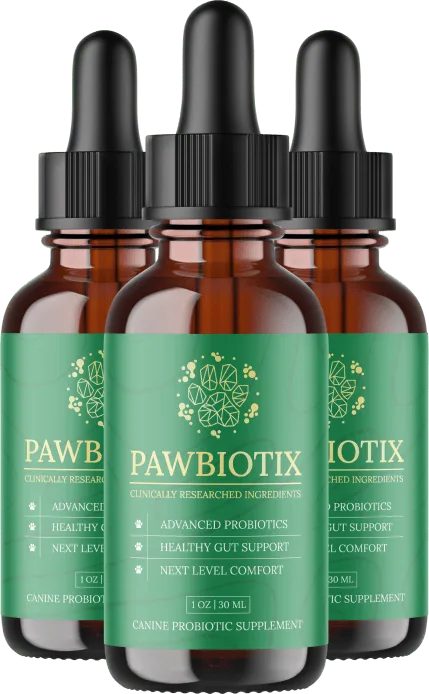
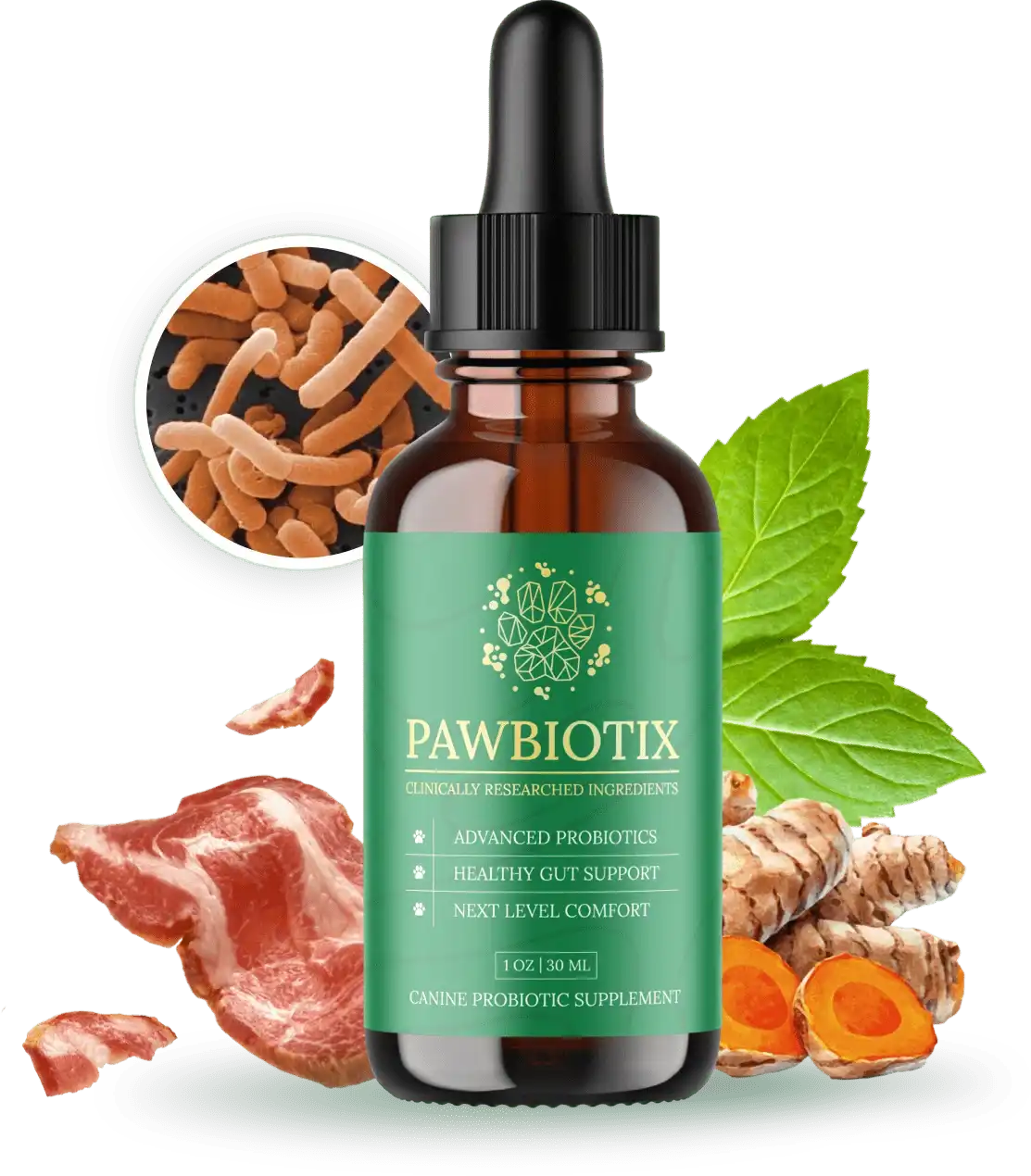
When seeking comprehensive support for your dog's gut and skin, a thoughtfully formulated supplement can make a significant difference. PawBiotix is designed to address the core issues of gut imbalance and inflammation, providing a multi-faceted approach to promote vibrant skin and overall vitality.

Bacillus Coagulans
Role: A highly stable, spore-forming probiotic that survives stomach acid to reach the intestines, where it supports a healthy microbial balance. It aids digestion, reduces inflammation, and strengthens the gut barrier, directly impacting immune and skin health.
Typical Dose: 1-2 Billion CFUs
Chlorella Powder
Role: A nutrient-dense green algae known for its detoxifying properties. It helps bind and eliminate heavy metals and toxins from the body, reducing the systemic burden that can contribute to skin problems and supporting overall cellular health.
Typical Dose: 50-200mg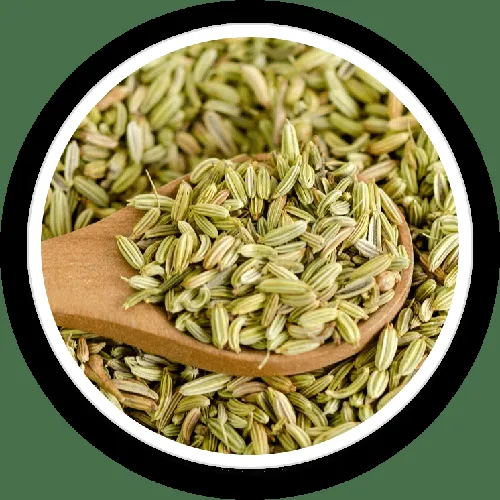
Fennel Seed Powder
Role: Traditionally used as a digestive aid, fennel helps soothe the digestive tract, reduce gas and bloating, and promote healthy bowel movements. Its anti-inflammatory properties can further support a calm gut, indirectly benefiting skin health.
Typical Dose: 50-150mg
Organic Kelp Powder
Role: A rich source of essential minerals (especially iodine), vitamins, and antioxidants. Kelp supports thyroid function, which is crucial for metabolism and skin/coat health. Its anti-inflammatory compounds also contribute to overall well-being.
Typical Dose: 50-100mg
Sodium Copper Chlorophyllin
Role: A derivative of chlorophyll, known for its powerful antioxidant and detoxifying effects. It helps neutralize free radicals, supports cellular repair, and can assist in internal deodorization, contributing to overall freshness and health.
Typical Dose: 10-50mg
Turmeric Root Extract
Role: Contains curcumin, a potent anti-inflammatory and antioxidant compound. Turmeric helps reduce systemic inflammation, which is often a root cause of skin irritation and allergies, promoting a calmer immune response and healthier skin.
Typical Dose: 50-150mgBy combining these powerful ingredients, PawBiotix aims to not only rebalance the gut microbiome but also to reduce inflammation, support detoxification, and provide essential nutrients, offering a comprehensive approach to improve your dog's skin from the inside out.
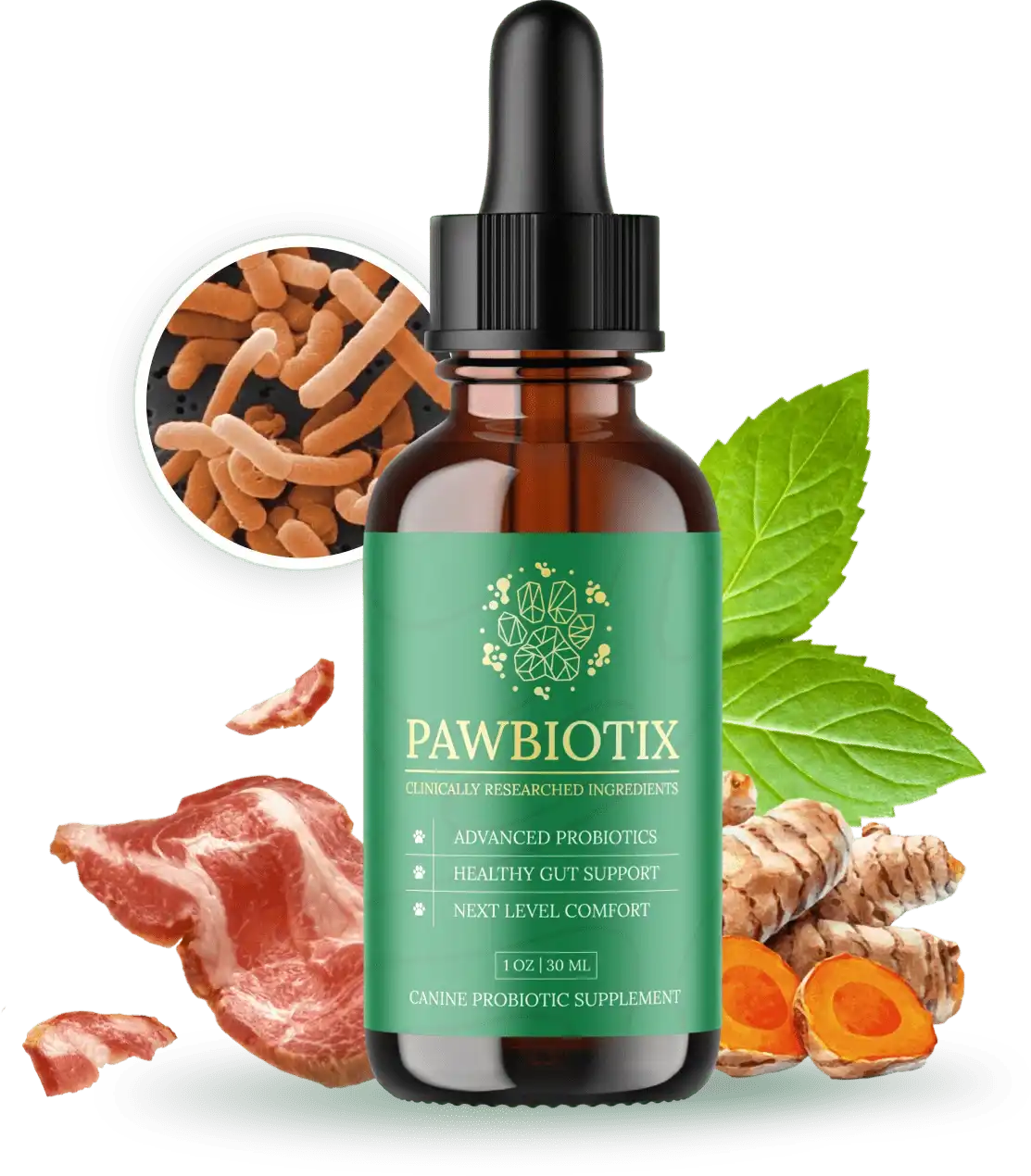
Give Your Dog the Gift of Comfort: Try PawBiotix Today!
If you're tired of seeing your dog suffer from relentless itching, hot spots, and dull coats, it's time to address the root cause. PawBiotix offers a powerful, all-natural solution designed to restore gut balance and unleash radiant skin from within.
- ✓ Supports a healthy gut microbiome
- ✓ Reduces inflammation and allergic responses
- ✓ Promotes a healthy, shiny coat and comfortable skin
- ✓ Boosts overall immune system function
- ✓ Made with natural, high-quality ingredients




Happy Pups, Happy Owners: Real Stories of Transformation
"My Golden Retriever, Buddy, suffered from constant itching and hot spots for years. We tried everything! After just a month on PawBiotix, his scratching has dramatically reduced, and his coat is so much shinier. It's like having a new dog!"
"Our French Bulldog, Lola, always had a sensitive stomach and patchy skin. Since starting PawBiotix, her digestion is regular, and her skin looks so much healthier. No more red, irritated belly! This supplement is a game-changer."
"I was skeptical, but my vet suggested looking into gut health for my terrier's chronic ear infections and itchy paws. PawBiotix was easy to add to his food, and within 6 weeks, the paw licking stopped, and his ears are clear! Highly recommend!"
Frequently Asked Questions
Why is my dog constantly scratching but has no fleas?
+Constant scratching without visible parasites often points to underlying issues like allergies (environmental or food-related), dry skin, or, increasingly recognized, an imbalance in their gut microbiome. When the gut is unhealthy, it can trigger systemic inflammation and compromise the skin's barrier function, leading to persistent itchiness, redness, and discomfort.
How does gut health directly impact my dog's skin?
+The connection is known as the 'gut-skin axis.' A healthy gut microbiome helps regulate the immune system, produces beneficial compounds, and supports nutrient absorption. When the gut is compromised (dysbiosis or 'leaky gut'), toxins and undigested food particles can enter the bloodstream, triggering an immune response that manifests as inflammation, allergies, and various skin conditions. It's a foundational link for overall health.
What are common signs of poor gut health in dogs, besides skin issues?
+Beyond skin problems like itching, rashes, and hot spots, poor gut health in dogs can show up as chronic digestive upset (diarrhea, constipation, vomiting, excessive gas), bad breath, lethargy, poor coat quality, recurrent ear infections, and even behavioral changes. These symptoms often occur together, indicating a systemic imbalance rooted in the digestive system.
Can changing my dog's diet improve their skin condition?
+Absolutely. Diet is a cornerstone of gut health. Many commercial dog foods contain ingredients that can disrupt the microbiome, such as artificial additives, fillers, and highly processed components. Switching to a high-quality, whole-food diet, potentially limited ingredient, or a raw diet can significantly improve gut integrity and, by extension, skin health. Identifying and removing dietary allergens is also crucial.
Are probiotics safe and effective for dogs with skin problems?
+Yes, high-quality canine-specific probiotics are generally very safe and can be highly effective. They work by introducing beneficial bacteria to the gut, helping to restore balance, strengthen the gut barrier, reduce inflammation, and modulate the immune system. For dogs with skin issues, a well-formulated probiotic supplement like PawBiotix, which combines potent probiotics with other supportive ingredients, can be a vital part of their recovery strategy.
How long does it take to see improvements in my dog's skin after addressing gut health?
+The timeline for improvement can vary depending on the severity and chronicity of the condition, as well as the consistency of intervention. Some dogs may show subtle improvements within a few weeks, while others with long-standing issues might need 1-3 months or more to see significant changes. Patience and consistency with dietary changes, probiotics, and other supportive care are key for lasting results.
Related Articles