Is Your Dog's Behavior a Cry for Gut Health Support?
As devoted pet parents, we constantly strive to understand our furry companions. We celebrate their joyful barks, comfort their anxieties, and puzzle over their inexplicable quirks. But what if many of the behavioral challenges your dog faces – from sudden aggression to persistent anxiety or even unexplained lethargy – aren't just personality traits, but rather subtle signals from deep within their digestive system?
The science is increasingly clear: there's a profound and intricate link between your dog's gut health and their overall mood and behavior, often referred to as the "gut-brain axis." Understanding this connection is the first step towards unlocking a happier, healthier, and more balanced life for your beloved canine.
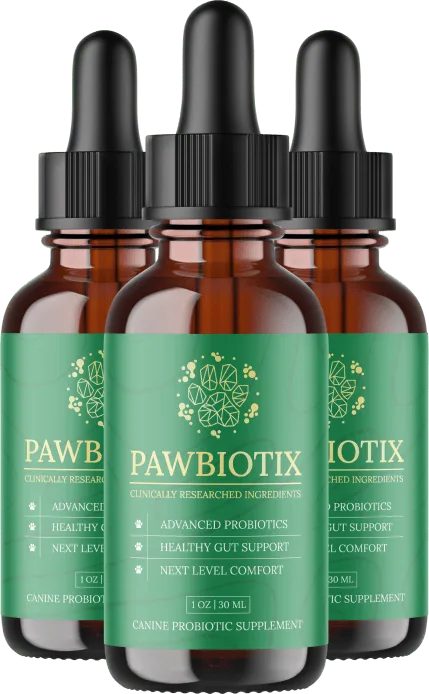
The Canine Gut-Brain Axis: A Two-Way Street
For years, the gut was primarily seen as just a digestive organ. However, modern veterinary science now recognizes it as a complex ecosystem with profound systemic effects, particularly on the brain and behavior.
The gut-brain axis is a fascinating bidirectional communication network that links the central nervous system (brain and spinal cord) with the enteric nervous system (ENS), which governs the gastrointestinal tract. This connection involves multiple pathways, including the vagus nerve, immune system, and neuroendocrine signaling. In simple terms, what happens in your dog's gut can directly influence their brain chemistry, and vice versa.
When your dog's gut microbiome – the trillions of bacteria, fungi, and other microorganisms residing in their digestive tract – is balanced and thriving, it contributes to overall health. These beneficial microbes play crucial roles in nutrient absorption, vitamin synthesis, immune system modulation, and even the production of neurotransmitters. For instance, a significant portion of the body's serotonin, a key mood-regulating neurotransmitter, is produced in the gut. An imbalance, known as dysbiosis, can disrupt these vital processes, leading to a cascade of negative effects that manifest not only physically but also behaviorally.
Understanding this axis is fundamental to addressing persistent behavioral issues that seem to defy traditional training or environmental adjustments. It offers a new lens through which to view and treat your dog's holistic well-being.
💡 Key Takeaway
The gut-brain axis is a crucial communication pathway connecting your dog's digestive system and brain. A healthy gut microbiome is essential for producing mood-regulating neurotransmitters and maintaining overall well-being, directly influencing your dog's behavior and emotional state.
How Gut Imbalance Manifests in Canine Behavior
When the delicate balance of your dog's gut microbiome is disrupted, the consequences can extend far beyond simple digestive upset. These imbalances can trigger a range of behavioral changes that can be puzzling and distressing for pet owners.
One of the most frequently observed behavioral shifts is an increase in anxiety and fear-related behaviors. Dogs with dysbiosis may exhibit heightened reactivity to stimuli, excessive barking, destructive chewing, or separation anxiety. The chronic inflammation and altered neurotransmitter production associated with an unhealthy gut can make dogs more susceptible to stress and less able to cope with everyday situations. You might notice your dog suddenly becoming fearful of things they previously tolerated, or their existing anxieties becoming more severe.
Aggression, both towards other animals and humans, can also have roots in gut health. While aggression is complex and multi-faceted, an inflamed gut can contribute to systemic inflammation, which in turn affects brain function and emotional regulation. Dogs experiencing chronic discomfort or pain from digestive issues may also lash out as a defensive mechanism. Furthermore, deficiencies in certain nutrients due to poor absorption can impact neurological function, potentially contributing to irritability and reactivity.
Other common behavioral manifestations include hyperactivity or lethargy. Some dogs might become unusually restless, unable to settle, or exhibit compulsive behaviors like excessive licking. Conversely, an unhealthy gut can lead to nutrient deficiencies and chronic fatigue, causing dogs to become uncharacteristically lethargic, withdrawn, and uninterested in play or walks. Even changes in appetite, from extreme pickiness to insatiable hunger, can signal underlying digestive distress impacting mood and energy levels. Addressing these underlying issues holistically is often key to seeing lasting improvements in your dog's temperament.
Common Behavioral Issues Linked to Poor Gut Health
Many behavioral problems in dogs, often attributed solely to training or environment, can be exacerbated or even caused by imbalances in their gut microbiome. Recognizing these links is crucial for effective intervention.
Increased Anxiety and Stress
Dogs with compromised gut health often exhibit higher levels of anxiety. This can manifest as separation anxiety, noise phobias, general nervousness, or excessive pacing. The gut's role in producing serotonin, a crucial neurotransmitter for mood regulation, means that an unhealthy gut can directly impair a dog's ability to cope with stress, leading to a state of chronic unease.
Aggression and Reactivity
While complex, aggressive behaviors can sometimes be linked to gut inflammation or discomfort. Dogs experiencing chronic pain or irritation in their digestive tract may become more irritable and reactive. Furthermore, imbalances in gut bacteria can affect brain chemistry, potentially lowering a dog's threshold for aggression or making them less tolerant in social situations.
Lethargy and Low Energy
A healthy gut is vital for nutrient absorption and energy production. When the microbiome is out of balance, dogs may not effectively absorb essential vitamins and minerals, leading to chronic fatigue and lethargy. This can make them less interested in play, walks, or interaction, often mistaken for simply "getting old" or being lazy.
Compulsive Behaviors and Destructive Tendencies
Some dogs develop compulsive behaviors like excessive licking, tail chasing, or destructive chewing when their gut health is compromised. These behaviors can be a coping mechanism for underlying discomfort or a manifestation of neurological imbalances stemming from the gut-brain axis. Addressing the gut can sometimes reduce the intensity and frequency of these behaviors.
Poor Focus and Trainability
Cognitive function is closely tied to gut health. Dogs with dysbiosis may struggle with focus, concentration, and retaining new commands. This can make training more challenging and frustrating for both dog and owner. A balanced gut supports optimal brain function, which is essential for learning and good behavior.
Unexplained Restlessness or Hyperactivity
While some dogs are naturally energetic, a sudden onset of restlessness, an inability to settle, or hyperactivity without clear external triggers can sometimes point to gut issues. The discomfort or altered neurochemical signals from an unhealthy gut can make it difficult for dogs to relax and find a calm state, leading to persistent agitation.
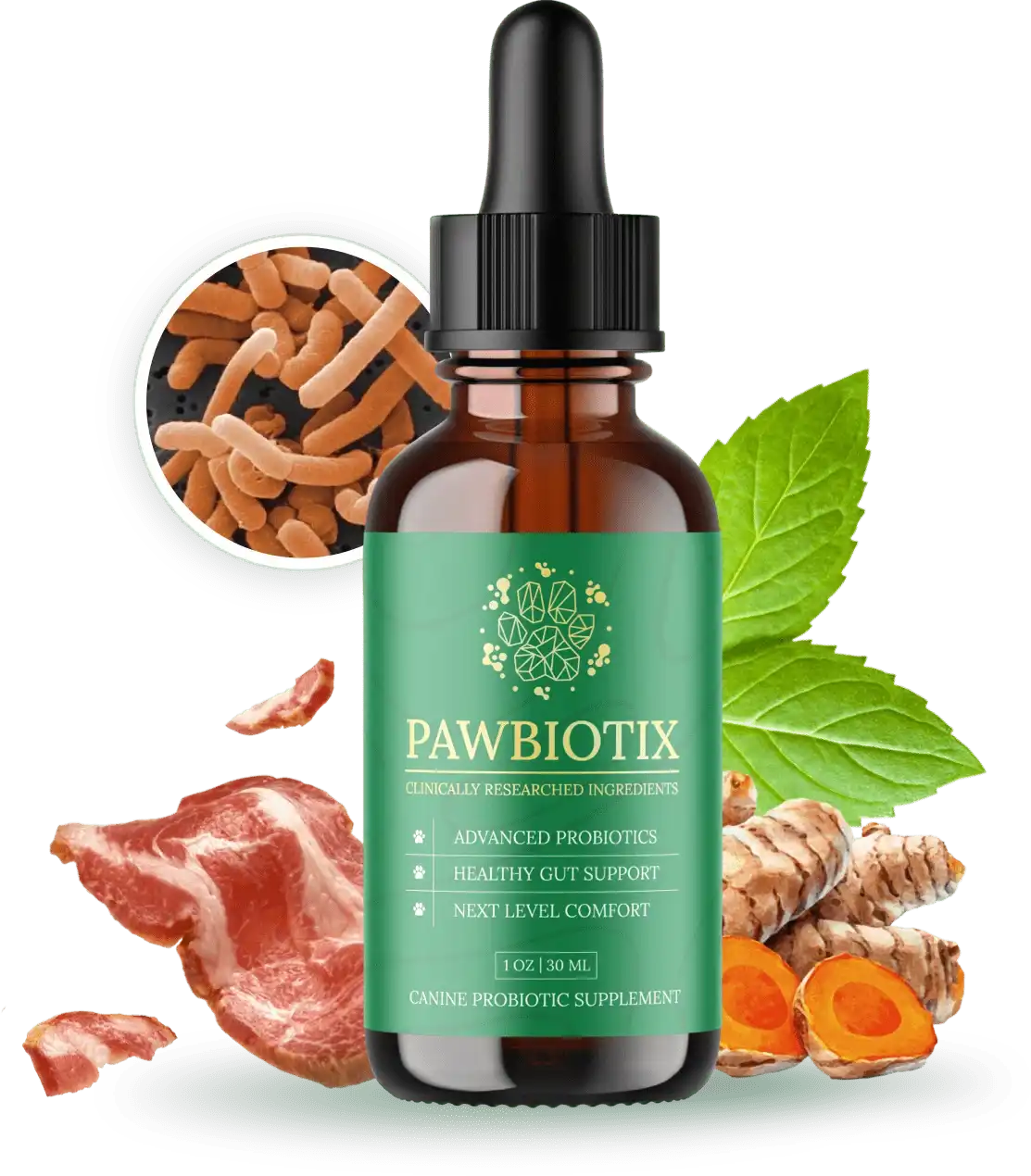
The Role of Inflammation and Neurotransmitters
At the heart of the gut-brain connection lies the intricate interplay of inflammation and neurotransmitter production. These two factors are profoundly influenced by the state of your dog's gut microbiome.
When the gut microbiome is imbalanced (dysbiosis), it can lead to a condition known as "leaky gut" or increased intestinal permeability. This allows toxins, undigested food particles, and harmful bacteria to escape the gut and enter the bloodstream, triggering a systemic inflammatory response. This chronic low-grade inflammation doesn't just affect the gut; it can cross the blood-brain barrier, leading to neuroinflammation. Neuroinflammation is implicated in a range of neurological and behavioral issues, including anxiety, depression-like behaviors, and cognitive decline in dogs.
Furthermore, the gut is a major site for the production of vital neurotransmitters, which are chemical messengers that regulate mood, sleep, appetite, and stress response. For example, over 90% of the body's serotonin, often dubbed the "feel-good" hormone, is produced in the gut by specific beneficial bacteria. A healthy microbiome ensures adequate production of serotonin and other neurotransmitters like dopamine and GABA (gamma-aminobutyric acid), which have calming effects. Conversely, dysbiosis can impair this production, leading to deficiencies that manifest as mood swings, increased anxiety, and even aggression. Addressing gut health directly impacts the availability of these crucial brain chemicals, offering a natural pathway to behavioral balance. For more insights into digestive issues, consider reading about natural treatments for constipation in dogs, which can be a sign of deeper gut imbalances.
Factors Contributing to Poor Canine Gut Health
Poor Diet & Processed Foods
Diets high in artificial ingredients, fillers, and low-quality proteins can disrupt the gut microbiome. Processed kibble often lacks the diverse fiber and natural enzymes needed to support beneficial bacteria, leading to dysbiosis and inflammation. A nutrient-poor diet starves the good bacteria, allowing harmful ones to flourish.
Antibiotic Use
While sometimes necessary, antibiotics are indiscriminate killers. They not only target harmful bacteria but also wipe out beneficial gut flora. This can leave the gut vulnerable to overgrowth of pathogenic organisms and significantly impair digestive and immune function, leading to long-term imbalances if not properly restored.
Stress & Anxiety
Just like in humans, chronic stress can have a profound negative impact on a dog's gut. Stress hormones can alter gut motility, reduce blood flow to the digestive tract, and change the composition of the microbiome, creating a vicious cycle where stress worsens gut health, which in turn exacerbates anxiety.
Environmental Toxins
Exposure to environmental toxins, such as pesticides, herbicides, and household chemicals, can negatively affect gut health. These toxins can disrupt the delicate balance of the microbiome and contribute to systemic inflammation, placing an additional burden on the dog's digestive and detoxification systems.
Lack of Exercise & Enrichment
A sedentary lifestyle and insufficient mental stimulation can contribute to overall poor health, including digestive issues. Regular exercise helps maintain healthy gut motility and reduces stress, while enrichment activities can lower anxiety, indirectly supporting a balanced gut-brain axis.
Certain Medications & Illnesses
Beyond antibiotics, other medications (e.g., NSAIDs, steroids) can sometimes harm the gut lining or alter microbial balance. Underlying illnesses, especially chronic conditions or autoimmune diseases, can also significantly impact gut health, creating a complex interaction that affects overall well-being and behavior.
Signs Your Dog Might Have an Unhealthy Gut
Recognizing the signs of an unhealthy gut in your dog is the first step towards intervention. These indicators can be both digestive and non-digestive in nature.
On the digestive front, look for persistent issues such as chronic diarrhea, frequent vomiting, excessive gas, bloating, or inconsistent stool quality. Your dog might also be unusually picky with food or, conversely, have an insatiable appetite despite eating regularly. Bad breath that isn't related to dental issues can also be a subtle sign of an imbalanced gut microbiome. Sometimes, these issues can lead to more serious conditions, so it's important to monitor them closely.
Beyond digestion, an unhealthy gut can manifest in a variety of other ways. Skin and coat problems are common, including dull coat, excessive shedding, dry skin, hot spots, chronic itching, or recurring ear infections. These are often signs of an overactive immune system, much of which resides in the gut. Allergies, both environmental and food-related, can also be exacerbated by a compromised gut lining, leading to a heightened inflammatory response.
And of course, there are the behavioral changes we've discussed: increased anxiety, fear, aggression, lethargy, hyperactivity, or difficulty concentrating. If your dog exhibits a combination of these symptoms, especially if they've been persistent, it's a strong indication that their gut health needs attention. Consulting with your veterinarian is always recommended to rule out other medical conditions and to discuss the best course of action. You may also find it useful to read a comprehensive PawBiotix review to understand how supplements can support gut health.
Supporting Your Dog's Gut-Brain Health: The PawBiotix Approach
While diet, exercise, and stress management are foundational, targeted supplementation can provide powerful support for a balanced gut and improved behavior. PawBiotix is formulated with a blend of natural ingredients specifically chosen to nurture your dog's microbiome and support their overall well-being.
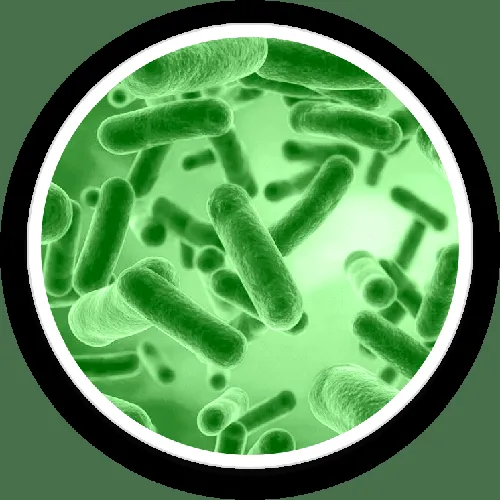
Bacillus Coagulans
Role: A highly stable, spore-forming probiotic that survives stomach acid to reach the intestines, where it supports a healthy microbial balance, aids digestion, and boosts immune function. It's known to help reduce inflammation and support the gut-brain axis.
500 Million CFU
Chlorella Powder
Role: A nutrient-dense green algae that acts as a powerful detoxifier, helping to bind to and eliminate heavy metals and toxins from the body. It supports cellular health, boosts immunity, and provides essential vitamins and minerals for overall vitality.
150mg per serving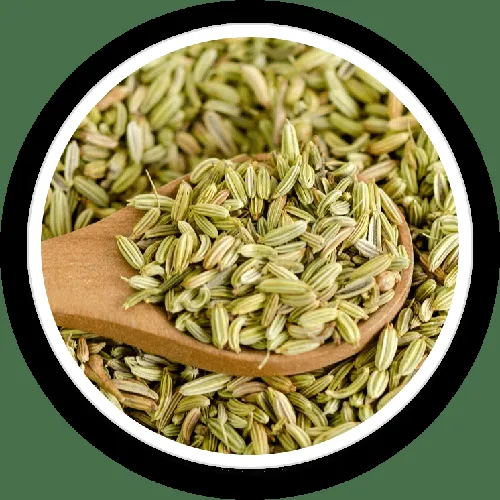
Fennel Seed Powder
Role: Traditionally used to soothe digestive discomfort, reduce gas, and alleviate bloating. It has anti-inflammatory properties and can help relax the digestive tract, promoting smoother digestion and nutrient absorption.
50mg per serving
Organic Kelp Powder
Role: A rich source of iodine, which supports thyroid function, and contains prebiotics that nourish beneficial gut bacteria. It provides a broad spectrum of minerals and trace elements, contributing to a healthy immune system and vibrant coat.
100mg per serving
Sodium Copper Chlorophyllin
Role: A derivative of chlorophyll, known for its powerful detoxifying properties and ability to neutralize odors, including bad breath. It supports blood health, acts as an antioxidant, and promotes overall cellular repair and vitality.
75mg per serving
Turmeric Root Extract
Role: Standardized for curcuminoids, turmeric is a potent anti-inflammatory and antioxidant. It supports digestive health by reducing gut inflammation, aids in detoxification, and contributes to joint health and overall immune resilience.
50mg per servingBeyond Supplements: A Holistic Approach to Canine Well-being
While targeted supplements like PawBiotix can be incredibly beneficial, true and lasting improvements in your dog's gut health and behavior require a holistic approach that addresses multiple aspects of their life.
Firstly, prioritize a high-quality, species-appropriate diet. This means focusing on whole, unprocessed foods, with a good balance of protein, healthy fats, and digestible carbohydrates. Avoid foods with excessive fillers, artificial colors, flavors, and preservatives, as these can disrupt the microbiome. Consider incorporating fresh, raw, or lightly cooked foods, and ensure a variety of fiber sources to feed beneficial gut bacteria. Hydration is also key; always provide access to fresh, clean water.
Secondly, manage your dog's stress levels. Just like humans, dogs are sensitive to their environment and routine. Provide a consistent schedule, ample exercise, and mental stimulation through training and puzzle toys. Create a calm and safe space for them to retreat to. Positive reinforcement training methods are crucial as they build confidence and reduce anxiety. Minimize exposure to loud noises or stressful situations where possible. If your dog suffers from chronic stress, consider working with a professional dog behaviorist or trainer in conjunction with your vet.
Thirdly, ensure your dog gets regular exercise and outdoor time. Physical activity not only helps maintain a healthy weight but also aids in gut motility and can reduce stress. Exposure to diverse environments and natural elements can also contribute to a more robust and diverse microbiome. Lastly, regular veterinary check-ups are essential to monitor your dog's overall health, address any underlying medical conditions, and ensure that any behavioral issues aren't symptoms of more serious health concerns. Your vet can also advise on the best pet health supplements for your specific dog's needs.
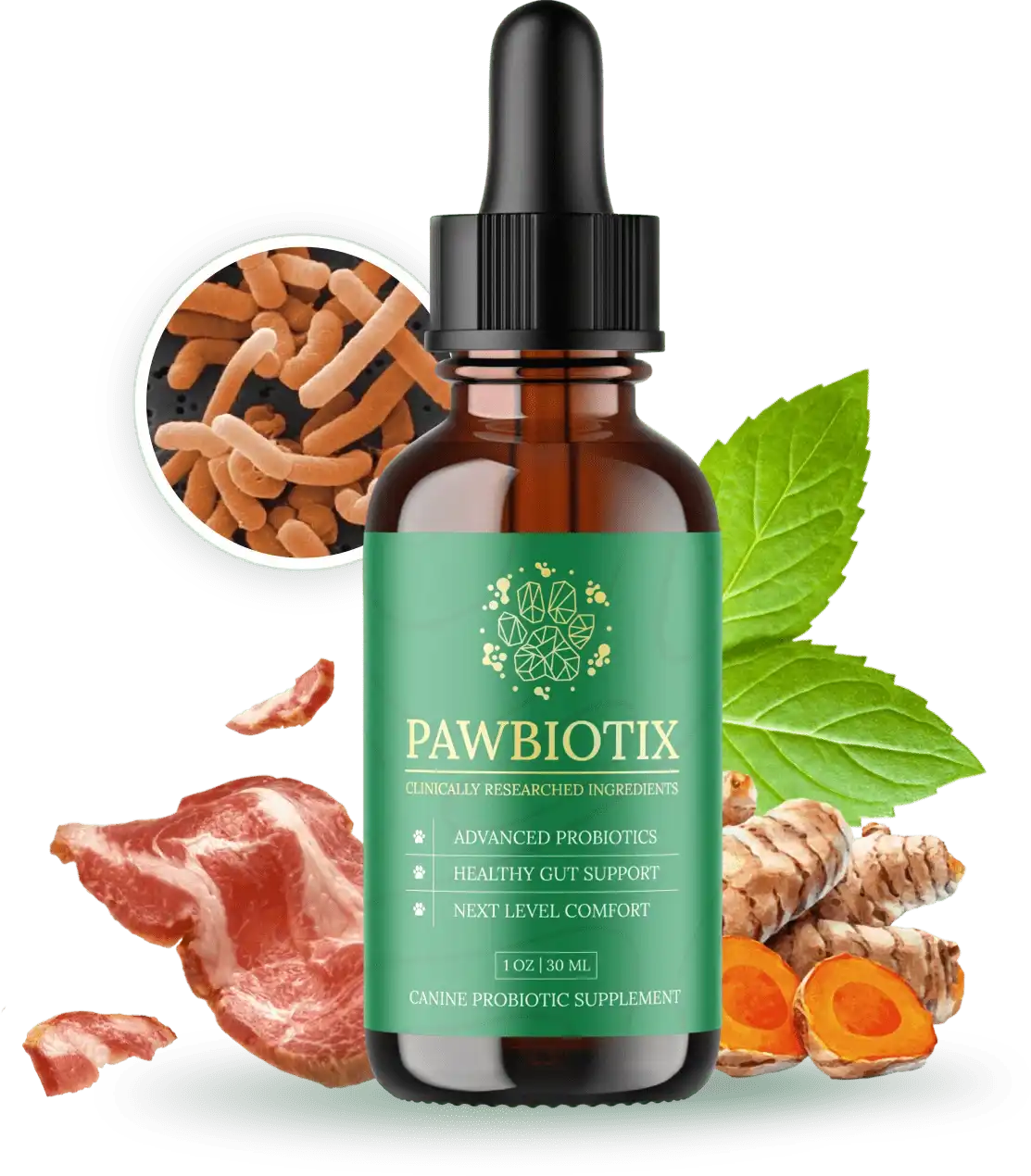
Transform Your Dog's Health and Happiness with PawBiotix
Give your beloved canine companion the gift of a balanced gut and a happier disposition. PawBiotix offers a powerful, all-natural solution designed to support their digestive health, boost immunity, and positively influence their mood and behavior.
- ✓ Supports a healthy gut microbiome
- ✓ Aids in optimal nutrient absorption
- ✓ Promotes calm behavior and reduced anxiety
- ✓ Boosts immune system function
- ✓ Enhances overall vitality and well-being




Happy Paws, Happy Lives: What Our Customers Say
"My rescue dog, Luna, was always anxious and had a sensitive stomach. Since starting PawBiotix, her digestion is stable, and she's so much calmer. It's like a different dog! Truly life-changing."
"I was skeptical, but my vet suggested trying a gut supplement for my senior golden retriever's lethargy and occasional aggression. PawBiotix made a noticeable difference in his energy levels and he's much more mellow now."
"My French Bulldog always had skin issues and constant itching, which made him irritable. After a month on PawBiotix, his itching has significantly reduced, and his mood has improved. His coat even looks shinier!"
Frequently Asked Questions
How does a dog's gut health impact their behavior?
+A dog's gut health significantly influences their behavior through the gut-brain axis. A balanced microbiome supports the production of neurotransmitters like serotonin, which impacts mood, anxiety, and cognitive function. Dysbiosis (an imbalance) can lead to inflammation, reduced nutrient absorption, and altered neurochemical signaling, potentially manifesting as anxiety, aggression, hyperactivity, or lethargy.
What are common signs of an unhealthy gut in dogs?
+Signs of an unhealthy gut in dogs extend beyond just digestive upset. While diarrhea, constipation, vomiting, and gas are clear indicators, behavioral changes like increased anxiety, aggression, excessive licking, lethargy, skin issues, allergies, and even sudden changes in appetite can all point to an imbalanced microbiome. Persistent bad breath can also be a subtle sign.
Can probiotics really help with dog anxiety or aggression?
+Yes, emerging research suggests that specific probiotic strains can positively influence canine anxiety and aggression. By restoring gut balance and supporting the gut-brain axis, probiotics can help regulate neurotransmitter production, reduce systemic inflammation, and improve overall stress response. This can lead to a calmer, more balanced demeanor, though results vary by individual dog and the underlying cause of behavioral issues.
What role does diet play in my dog's gut microbiome and mood?
+Diet is paramount to a healthy gut microbiome. A diet rich in highly digestible proteins, fiber, and essential nutrients, free from excessive artificial additives, can foster a diverse and robust microbial community. Conversely, poor quality food, sudden dietary changes, or diets lacking in essential components can disrupt the microbiome, leading to inflammation and behavioral issues. Whole, unprocessed foods are generally best.
How long does it take to see behavioral improvements after addressing gut health?
+The timeline for seeing behavioral improvements after addressing gut health varies widely depending on the severity of the imbalance, the dog's individual physiology, and the consistency of the intervention. Some dogs may show subtle changes within a few weeks, while others might require 2-3 months or more for significant and lasting improvements. Consistency with diet, supplements, and lifestyle changes is key.
Is PawBiotix safe for all dog breeds and ages?
+PawBiotix is formulated with natural ingredients and is generally considered safe for most dog breeds and ages when administered according to the recommended dosage. However, as with any supplement, it's always best to consult your veterinarian before introducing PawBiotix, especially for puppies, pregnant or nursing dogs, or dogs with pre-existing medical conditions or those on medication. They can provide personalized advice based on your dog's specific health profile.
Related Articles