Is Your Beloved Canine Companion Struggling with Irregular Bowel Movements?
Watching your dog strain and struggle to pass stool can be incredibly distressing for any pet owner. Constipation is a common but often overlooked issue in dogs, affecting their comfort, appetite, and overall well-being. It's more than just an inconvenience; it can be a sign of underlying health concerns and can lead to serious complications if left unaddressed.
Understanding the root causes of canine constipation and exploring effective, natural solutions is crucial for restoring your furry friend's digestive harmony. This comprehensive guide will delve into why dogs get constipated, how to identify the signs, and equip you with practical, gentle strategies to provide relief and promote a healthy, happy gut for your dog.
Understanding Canine Constipation: More Than Just a "Blocked" Feeling
Constipation occurs when a dog has infrequent or difficult bowel movements, often producing hard, dry stools. While it can be a minor, temporary issue, it can also signal more significant health problems. Recognizing the symptoms and understanding the causes is the first step toward effective treatment.
As a veterinary health researcher, I’ve seen countless cases where a dog's discomfort stems directly from their digestive system. A healthy digestive tract is fundamental not just for nutrient absorption, but also for a robust immune system and overall vitality. When your dog is constipated, it's a clear signal that something in their internal environment is out of balance. This imbalance can range from simple dietary deficiencies to more complex underlying medical conditions. Understanding this spectrum is key to providing appropriate care and ensuring your dog's long-term health and happiness. We want to avoid situations where a minor issue escalates into a chronic problem, impacting their quality of life.
What Are the Common Signs of Constipation in Dogs?
Identifying constipation early can prevent further discomfort for your pet. Keep an eye out for these tell-tale signs:
- Straining: Your dog may squat repeatedly and strain with little to no stool production. This is often the most obvious sign.
- Hard, Dry Stools: When stool is passed, it might be unusually small, hard, and dry, sometimes resembling pebbles.
- Infrequent Bowel Movements: A healthy dog usually defecates at least once a day. If your dog goes 24-48 hours without a bowel movement, they are likely constipated.
- Pain or Discomfort: Your dog might cry, yelp, or show signs of pain when attempting to defecate. They may also appear restless or uncomfortable.
- Lethargy and Loss of Appetite: A constipated dog may feel unwell, leading to reduced energy levels and a decreased interest in food.
- Vomiting: In severe cases, particularly if an obstruction is present, dogs may start vomiting due to the buildup in their digestive system.
- Scooting or Licking Anal Area: While often associated with anal gland issues, discomfort from constipation can also cause these behaviors.
If you observe these symptoms, especially if they persist for more than 24 hours, it's crucial to investigate the cause and seek appropriate solutions.
💡 Key Takeaway
Constipation in dogs isn't just about infrequent bowel movements; it's a sign of digestive distress that can impact overall health. Recognizing symptoms like straining, hard stools, and lethargy early is crucial for timely intervention and preventing more serious complications.
The Root Causes: Why Do Dogs Get Constipated?
Constipation in dogs is rarely a standalone issue. It's often a symptom of underlying dietary, lifestyle, or medical factors. Pinpointing the cause is essential for effective treatment and prevention.
Understanding the specific reasons behind your dog's constipation is critical. It allows us to move beyond simply treating the symptom and instead address the root of the problem, leading to more sustainable relief and better long-term health. Here are the most common culprits:
1. Dietary Imbalances and Insufficient Fiber
One of the primary causes of constipation is a diet lacking adequate fiber. Fiber adds bulk to stool, helping it move smoothly through the digestive tract. Diets high in processed ingredients, fillers, and low-quality proteins can contribute to digestive sluggishness. Conversely, too much fiber without sufficient water can also be problematic. It's about finding the right balance. Furthermore, sudden changes in diet can upset a dog's sensitive digestive system, leading to temporary constipation or diarrhea. For more on this, consider reading our article on How to Choose the Right Dog Food for Digestion.
2. Dehydration
Water is essential for healthy digestion. When a dog doesn't drink enough water, their body will absorb more moisture from their stool, making it hard, dry, and difficult to pass. This is a very common cause, especially in older dogs or those who don't have constant access to fresh water. Always ensure your dog has multiple sources of clean, fresh water available throughout the day.
3. Lack of Exercise and Sedentary Lifestyle
Physical activity stimulates intestinal motility, helping food and waste move through the digestive system. Dogs who lead sedentary lifestyles, especially those confined to small spaces or with mobility issues, are more prone to constipation. Regular walks and playtime are not just good for their physical fitness but also their digestive regularity.
4. Ingestion of Indigestible Materials
Dogs are notorious for eating things they shouldn't. Hair (especially from self-grooming or ingesting human hair), bones, toys, fabric, gravel, or even excessive grass can accumulate in the digestive tract, forming blockages that lead to severe constipation or impaction. This is particularly dangerous and often requires veterinary intervention.
5. Age-Related Changes
Older dogs often experience a slowdown in metabolism and reduced muscle tone, including the muscles of the digestive tract. They may also have decreased thirst drive or suffer from conditions like arthritis that make squatting uncomfortable, leading them to avoid defecating, which exacerbates constipation.
6. Medications and Health Conditions
Certain medications, such as antihistamines, pain relievers, diuretics, and some antacids, can have constipation as a side effect. Moreover, various underlying health issues can contribute to constipation, including:
- Orthopedic Problems: Arthritis or hip dysplasia can make it painful for dogs to get into the squatting position necessary for defecation.
- Neurological Disorders: Conditions affecting the nerves that control bowel function can impair motility.
- Enlarged Prostate Gland (in intact males): A swollen prostate can press on the colon, making stool passage difficult.
- Tumors or Masses: Growths in the pelvic canal or colon can obstruct the passage of stool.
- Anal Gland Issues: Impacted or infected anal glands can cause pain, leading a dog to withhold stool.
- Kidney Disease: Can lead to dehydration and electrolyte imbalances affecting gut function.
- Hypothyroidism: A sluggish thyroid can slow down many bodily functions, including digestion.
It's clear that canine constipation can be a complex issue with multiple contributing factors. A holistic approach that considers diet, lifestyle, and potential underlying health conditions is always the most effective way to address and prevent it.
Natural Approaches to Relieve and Prevent Dog Constipation
While severe or persistent constipation always warrants a vet visit, many cases can be managed and prevented with natural, holistic strategies that focus on supporting your dog's overall digestive health.
Increase Dietary Fiber (Wisely)
Fiber is paramount for digestive regularity. Natural sources like pureed pumpkin (not pie filling), cooked sweet potato, or green beans can add gentle bulk to your dog's stool. Start with small amounts (e.g., 1-2 tablespoons for medium dogs) and gradually increase, monitoring your dog's response. Too much fiber too quickly can sometimes worsen the issue, so moderation is key. A balanced approach ensures stool is neither too loose nor too hard.
Ensure Adequate Hydration
This is perhaps the simplest yet most overlooked solution. Always provide fresh, clean water. You can encourage drinking by adding a splash of bone broth to their water, using a pet water fountain, or adding water to their dry kibble. Proper hydration keeps stools soft and easy to pass, acting as a natural lubricant for the digestive tract. Dehydration is a common culprit in many cases of canine constipation.
Regular Exercise and Movement
Physical activity stimulates bowel motility. Daily walks, playtime, and opportunities to run can significantly improve digestive function. Even short, frequent walks can make a difference, especially for older or less active dogs. Exercise helps to literally 'get things moving' through the intestines, preventing stagnation and hardening of stool. Aim for at least 30 minutes of moderate activity daily, tailored to your dog's age and breed.
Incorporate Probiotics and Prebiotics
A healthy gut microbiome is crucial for digestion. Probiotics introduce beneficial bacteria, while prebiotics feed them. This balance helps optimize gut function, improve nutrient absorption, and regulate bowel movements. Fermented foods like plain kefir or high-quality probiotic supplements specifically formulated for dogs can be highly effective. A robust gut flora can prevent issues like leaky gut syndrome in dogs, which can contribute to digestive distress.
Consider Digestive Enzymes
For dogs with chronic digestive issues, digestive enzymes can aid in breaking down food more efficiently, making nutrients more absorbable and reducing the burden on the digestive system. This can lead to less undigested material reaching the colon and potentially hardening into problematic stool. Consult your vet before adding enzymes.
Natural Stool Softeners (under vet guidance)
For temporary relief, your vet might suggest natural stool softeners like a small amount of mineral oil (never force-fed, as aspiration is a risk), olive oil, or psyllium husk. These work by lubricating the stool or adding soluble fiber. Always use these under veterinary supervision to ensure correct dosage and to rule out any contraindications.
Stress Reduction
Believe it or not, stress and anxiety can impact a dog's digestive system, leading to both diarrhea and constipation. Creating a calm, predictable environment, providing plenty of mental stimulation, and ensuring they feel secure can contribute to better gut health. A relaxed dog is often a dog with a happier gut.
By implementing these natural strategies, you can significantly improve your dog's digestive regularity and overall comfort. Remember, consistency is key, and observing your dog's individual response to each change will help you tailor the best approach for their unique needs.
When to Seek Veterinary Care for Canine Constipation
While many cases of canine constipation can be resolved with home remedies, it's crucial to know when to seek professional veterinary attention. Delaying a vet visit can lead to serious complications.
As a responsible pet owner, distinguishing between a minor digestive hiccup and a potentially serious health crisis is paramount. While the natural remedies discussed can be highly effective for mild, occasional constipation, there are specific situations where immediate veterinary intervention is not just recommended, but absolutely necessary. Ignoring these warning signs could put your dog's health at significant risk.
Red Flags That Warrant an Immediate Vet Visit:
- No Bowel Movement for 48-72 Hours: If your dog hasn't passed stool in two to three days, it's a critical sign that something serious might be amiss. Prolonged constipation can lead to fecal impaction, toxic buildup, and extreme discomfort.
- Severe Straining or Pain: If your dog is crying, yelping, or showing extreme distress while attempting to defecate, it indicates significant pain. This could be due to a blockage, severe impaction, or another painful underlying condition.
- Vomiting and Lethargy: When constipation is accompanied by vomiting, loss of appetite, and extreme lethargy, it often points to a more severe problem, such as an intestinal obstruction, which is a medical emergency.
- Bloody or Mucus-Laden Stool: While some straining might cause a tiny streak of blood, significant blood or excessive mucus in the stool, especially if the stool is hard, warrants immediate investigation.
- Swollen or Distended Abdomen: A noticeably swollen or tender abdomen alongside constipation can indicate a dangerous buildup of gas or a severe blockage.
- Repeated Episodes: If your dog frequently suffers from constipation despite dietary and lifestyle adjustments, it's essential to rule out chronic conditions like thyroid issues, neurological problems, or tumors.
- Ingestion of Foreign Objects: If you suspect your dog has eaten something indigestible (e.g., bones, toys, fabric), and they are now constipated, do not delay in seeking veterinary care. These can cause dangerous obstructions.
Your veterinarian can perform a thorough physical examination, which may include abdominal palpation, a rectal exam, and diagnostic tests like X-rays or blood work, to accurately diagnose the cause of the constipation. They can then recommend appropriate medical treatments, such as enemas, manual deobstipation, or even surgery in severe cases of obstruction. Remember, early intervention can make a significant difference in your dog's recovery and long-term health. Never hesitate to consult a professional when in doubt.
Introducing PawBiotix: A Natural Aid for Digestive & Immune Health
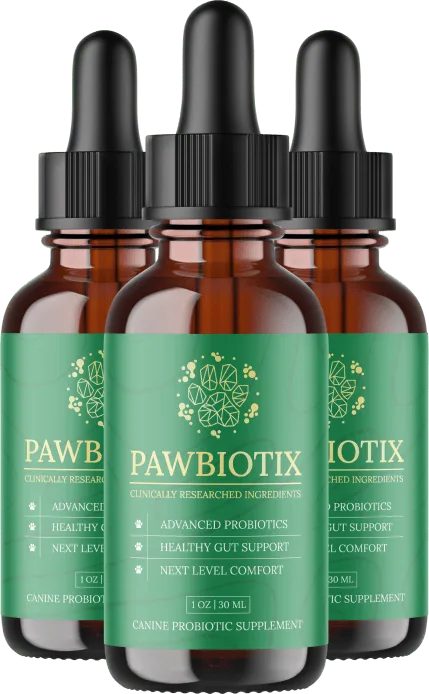
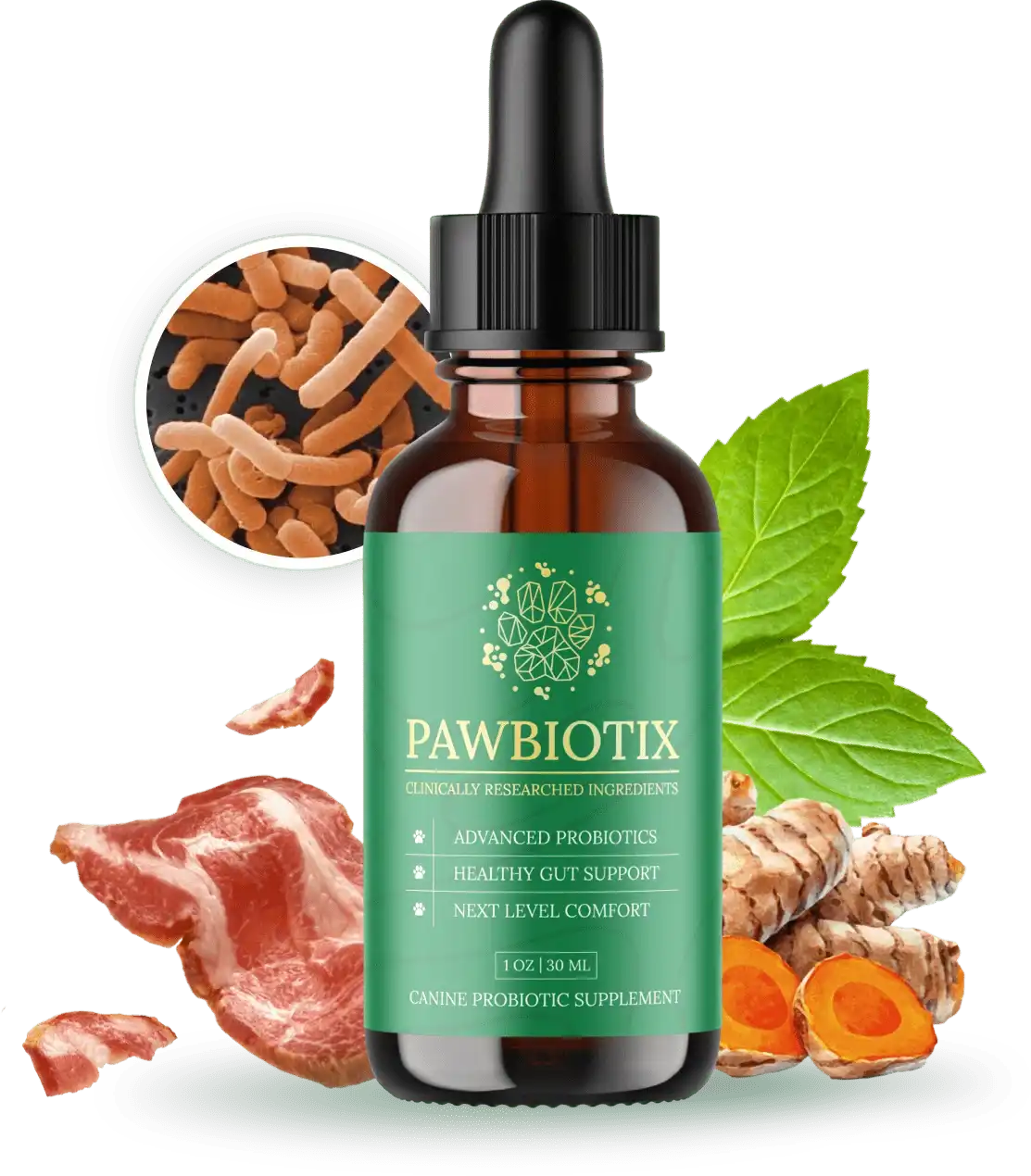
While diet, hydration, and exercise form the foundation of good digestive health, sometimes our dogs need an extra boost. PawBiotix offers a unique blend of natural ingredients specifically chosen to support gut flora balance, enhance digestion, and alleviate common issues like constipation.
In our journey to find the best natural solutions for canine digestive issues, we often look for comprehensive supplements that address multiple facets of gut health. PawBiotix is designed to do just that, offering a synergistic blend of ingredients that work together to create an optimal internal environment. It's not just about alleviating symptoms; it's about fostering long-term digestive and immune resilience. Many pet owners are looking for a probiotic for dog allergies and digestion, and PawBiotix fits this need perfectly by targeting the gut microbiome, which is intrinsically linked to both.
Key Ingredients and Their Benefits in PawBiotix:
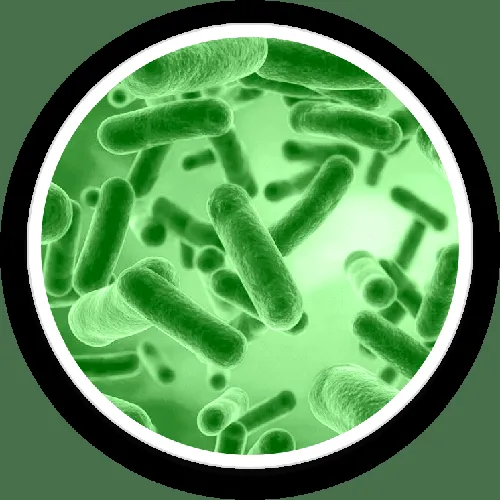
Bacillus Coagulans (Probiotic)
Role: A highly stable, spore-forming probiotic that survives stomach acid to reach the intestines, where it supports a healthy balance of gut bacteria. It aids in digestion, nutrient absorption, and helps regulate bowel movements, making it excellent for preventing and relieving constipation.
5-10 Billion CFUs per serving
Organic Kelp Powder (Prebiotic & Nutritive)
Role: A rich source of natural fiber, vitamins, and minerals. Kelp acts as a prebiotic, feeding beneficial gut bacteria, and its fiber content helps add bulk to stool, promoting regularity and easing the passage of waste through the digestive tract. It also supports thyroid health.
100-200 mg per serving
Chlorella Powder (Detox & Digestion)
Role: A potent detoxifier that helps bind to heavy metals and toxins, facilitating their removal from the body. Its rich chlorophyll content supports healthy digestion, promotes regular bowel movements, and contributes to overall gut cleansing and vitality.
50-150 mg per serving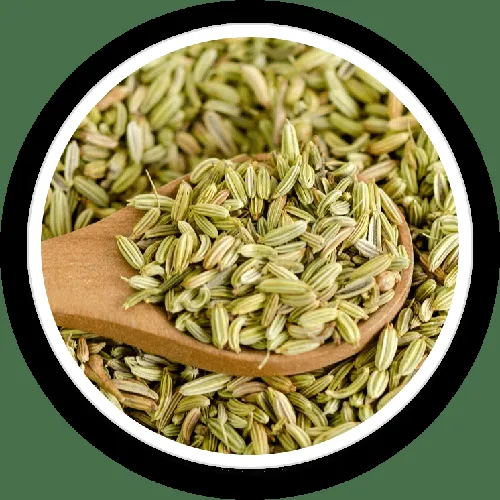
Fennel Seed Powder (Digestive Aid)
Role: Traditionally used to soothe digestive discomfort, fennel seeds can help relax the smooth muscles of the gastrointestinal tract, reducing gas and bloating. It gently stimulates digestion, which can be beneficial in cases of sluggish bowels and mild constipation.
50-100 mg per serving
Sodium Copper Chlorophyllin (Internal Deodorizer & Gut Health)
Role: A derivative of chlorophyll, known for its powerful internal deodorizing properties. It also supports digestive health by promoting a clean internal environment and can aid in maintaining regular bowel function, contributing to fresher breath and healthier gut flora.
20-50 mg per serving
Turmeric Root Extract (Anti-inflammatory)
Role: Contains curcumin, a potent anti-inflammatory compound. Turmeric supports overall digestive comfort by reducing inflammation in the gut, which can contribute to better gut motility and a healthier digestive environment, indirectly aiding in the prevention of constipation.
50-100 mg per serving (standardized)By combining these powerful natural ingredients, PawBiotix offers a holistic approach to canine digestive health, moving beyond temporary fixes to foster a resilient and balanced gut environment. This can lead to more consistent, healthy bowel movements, reduced digestive discomfort, and a stronger immune system for your cherished pet.
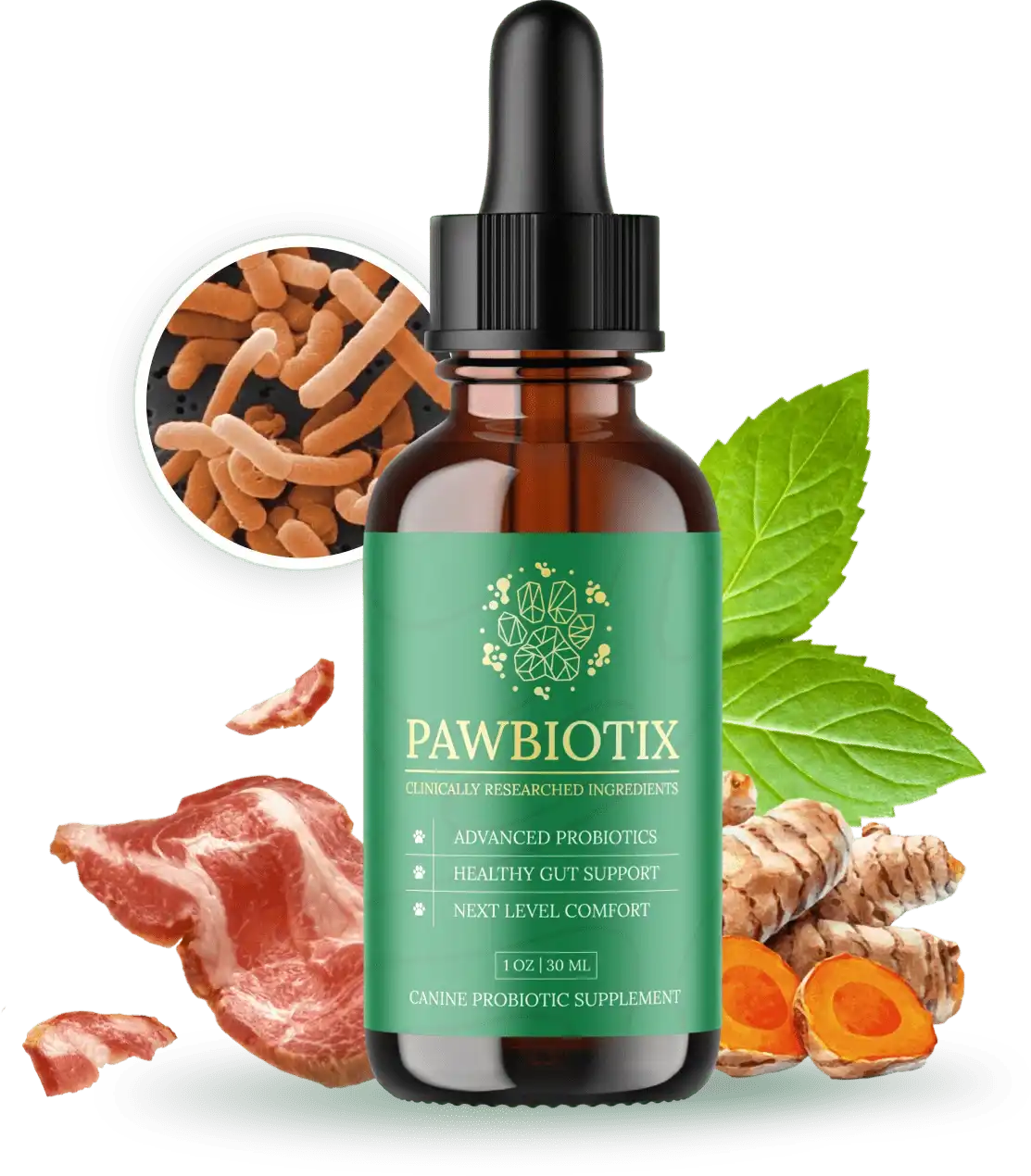
Give Your Dog the Gift of Digestive Comfort with PawBiotix
Don't let your dog suffer in silence from constipation and digestive woes. PawBiotix is specifically formulated to address the root causes of canine digestive issues, providing a natural, effective solution for regular bowel movements and a thriving gut microbiome.
- ✓ Supports Healthy Digestion & Regularity
- ✓ Boosts Immune System Function
- ✓ All-Natural, Vet-Approved Ingredients
- ✓ Delicious Bacon-Type Flavor Dogs Love
- ✓ Made in USA, GMP Certified Facility




Happy Paws, Happy Owners: Real Stories of Relief
"My senior Golden Retriever, Max, struggled with chronic constipation for years. We tried everything! Since starting PawBiotix, his bowel movements are regular and easy. He's more energetic and comfortable. It's truly a game-changer!"
"Our French Bulldog, Bella, always had a sensitive stomach and occasional constipation. PawBiotix not only helped with her regularity but also reduced her gas and bloating. She loves the taste, and we love seeing her so happy and healthy!"
"I was skeptical at first, but after a month on PawBiotix, my rescue dog's severe constipation is a thing of the past. Her coat is shinier, and she has so much more vitality. This supplement truly supports her overall well-being. Highly recommend!"
Frequently Asked Questions
What are the most common causes of constipation in dogs?
+Constipation in dogs can stem from various factors including insufficient fiber in their diet, dehydration, lack of exercise, ingestion of indigestible materials (like hair, bones, or toys), certain medications, and underlying medical conditions such as anal gland issues, orthopedic problems, or neurological disorders. Age can also play a role, with older dogs being more susceptible.
How can I tell if my dog is constipated? What are the symptoms?
+Key signs of constipation in dogs include straining or yelping during defecation, producing hard, dry, or small stools, infrequent bowel movements (less than once a day), loss of appetite, lethargy, and sometimes vomiting. You might also notice your dog scooting their rear on the ground or showing discomfort around their hindquarters. Persistent straining without producing stool is a strong indicator.
What natural remedies can help relieve dog constipation?
+Natural remedies often focus on diet and lifestyle. Increasing dietary fiber with foods like pumpkin puree or sweet potato, ensuring adequate hydration, and regular exercise are crucial. Probiotics and prebiotics can help balance gut flora, while certain herbs like fennel seed may aid digestion. For persistent issues, always consult a veterinarian.
When should I be concerned and take my dog to the vet for constipation?
+You should seek veterinary attention if your dog hasn't had a bowel movement in 48-72 hours, is straining severely, shows signs of pain, lethargy, vomiting, or has a complete loss of appetite. These symptoms could indicate a more serious underlying condition like an intestinal blockage or other health issues requiring immediate professional diagnosis and treatment.
How does PawBiotix support digestive health and prevent constipation?
+PawBiotix is formulated with a blend of potent probiotics, prebiotics, and natural digestive aids designed to optimize gut flora, improve nutrient absorption, and promote regular, healthy bowel movements. Ingredients like Bacillus Coagulans help maintain a balanced microbiome, while fiber-rich components assist in stool formation and passage, naturally alleviating and preventing constipation. It also supports overall immune function.
Is PawBiotix safe for all dogs, and how should it be administered?
+PawBiotix is made with all-natural ingredients and is generally safe for most dogs. However, as with any supplement, it's always best to consult your veterinarian before starting a new regimen, especially for puppies, pregnant dogs, or those with existing health conditions. It comes in a palatable powder form that can be easily mixed with your dog's food, and dosage instructions are provided on the packaging based on your dog's weight.
Related Articles to Keep Your Dog Healthy