Is Your Dog's Gut Causing More Problems Than You Think?
Many dog owners are familiar with occasional digestive upsets, but what if your dog's chronic allergies, skin issues, or even behavioral problems stem from something deeper within their digestive system? The answer might lie in a condition known as Leaky Gut Syndrome, a silent epidemic affecting countless canine companions.
This comprehensive guide will demystify Leaky Gut Syndrome in dogs, exploring its complex causes and offering a range of effective natural remedies to help restore your furry friend's health. You'll learn how to identify the signs, understand the underlying mechanisms, and implement strategies to support a healthy, resilient gut for your beloved pet.
Understanding Leaky Gut Syndrome in Dogs: The Foundation of Health
Leaky Gut Syndrome, medically known as increased intestinal permeability, is a condition where the lining of your dog's intestines becomes more porous than it should be. This seemingly minor issue can have profound effects on their entire body, impacting everything from digestion to immunity.
Imagine your dog's intestinal lining as a highly selective gatekeeper. Its primary role is to allow essential nutrients to pass from digested food into the bloodstream while blocking harmful substances like toxins, undigested food particles, and bacteria. In a healthy gut, these "gates" – called tight junctions – are sealed tightly, only opening selectively to permit nutrient absorption.
However, with Leaky Gut Syndrome, these tight junctions become damaged or "loose," creating microscopic gaps. Through these gaps, unwelcome guests can slip directly into the bloodstream. This intrusion triggers your dog's immune system, which perceives these substances as foreign invaders. The result is a cascade of systemic inflammation and an overactive immune response that can manifest in a bewildering array of symptoms, often far removed from the digestive tract itself.
This chronic immune activation can lead to what veterinarians refer to as systemic inflammation, a low-grade, persistent inflammatory state throughout the body. Over time, this can contribute to the development of various chronic health problems, making Leaky Gut a central concern for holistic canine health. Recognizing the signs and understanding the underlying mechanisms is the first step toward restoring your dog's vitality.
💡 Key Takeaway
Leaky Gut Syndrome in dogs involves a compromised intestinal barrier, allowing harmful substances to enter the bloodstream and trigger chronic immune responses, leading to widespread inflammation and various health issues.
Common Symptoms of Leaky Gut Syndrome in Dogs
Because Leaky Gut Syndrome impacts the immune system and can cause systemic inflammation, its symptoms are often diverse and can be easily mistaken for other conditions. It's crucial for pet owners to recognize these potential indicators to seek appropriate veterinary care.
Chronic Digestive Issues
Persistent diarrhea, chronic vomiting, frequent gas, bloating, constipation, or inconsistent stool quality are primary indicators. Dogs might also experience appetite loss or weight changes despite eating.
Skin and Coat Problems
Itching, excessive scratching, hot spots, dry or greasy coat, recurrent ear infections, rashes, and persistent paw licking are common. These are often misdiagnosed as simple allergies, but the root cause can be gut-related inflammation.
Allergies and Sensitivities
Increased food sensitivities, environmental allergies, and seasonal allergies can be exacerbated or directly caused by a leaky gut. The immune system becomes hyper-reactive to substances it shouldn't normally react to.
Joint Pain and Stiffness
Systemic inflammation from a leaky gut can affect joints, leading to arthritis-like symptoms, stiffness, or general discomfort, especially in older dogs or breeds prone to joint issues.
Behavioral Changes
Some dogs may exhibit anxiety, aggression, hyperactivity, or lethargy. The gut-brain axis means that gut health can directly influence mood and cognitive function, leading to unexplained behavioral shifts.
Weakened Immune System
Frequent infections (skin, ear, urinary tract), slow wound healing, or general susceptibility to illness can signal a compromised immune system stemming from an unhealthy gut. About 70% of a dog's immune system resides in its gut.
Root Causes of Leaky Gut Syndrome in Dogs
Identifying the causes of Leaky Gut Syndrome is crucial for effective treatment. Often, it's a combination of factors that contribute to the breakdown of the intestinal barrier. Understanding these triggers empowers pet owners to make informed choices for their dog's health.
One of the most significant contributors is a poor diet. Many commercial dog foods are highly processed, containing fillers like corn, wheat, and soy, artificial preservatives, colors, and flavors. These ingredients are difficult for dogs to digest and can irritate the gut lining, promoting inflammation and damage. Furthermore, specific protein sources or grains can trigger food allergies and sensitivities in dogs, leading to chronic inflammation and increased permeability.
The overuse of certain medications is another major culprit. Antibiotics, while necessary for bacterial infections, indiscriminately kill beneficial gut bacteria along with harmful ones, leading to an imbalance known as dysbiosis. This imbalance disrupts the gut microbiome, weakening the intestinal barrier. Non-steroidal anti-inflammatory drugs (NSAIDs) can also directly damage the gut lining with prolonged use. Steroids, often prescribed for inflammatory conditions, can suppress the immune system and further compromise gut integrity.
Chronic stress plays a surprisingly large role. Just like in humans, stress in dogs can significantly impact gut function. Emotional or physical stress can alter gut motility, reduce blood flow to the digestive tract, and even change the composition of the gut microbiome, contributing to inflammation and increased permeability.
Exposure to environmental toxins, such as pesticides, herbicides (found in lawns), household cleaning products, and even heavy metals in water or food, can also damage the delicate intestinal lining and contribute to systemic inflammation. Over-vaccination, while a controversial topic, is also sometimes cited by holistic veterinarians as a potential immune system over-stimulator that can indirectly affect gut health.
Finally, various infections and parasitic infestations can directly damage the gut lining. Chronic bacterial overgrowth (SIBO), yeast infections (like Candida), and parasites such as Giardia or Coccidia can all contribute to inflammation and compromise the integrity of the intestinal barrier, leading to a leaky gut.
Diagnosing Leaky Gut Syndrome in Dogs
Diagnosing Leaky Gut Syndrome in dogs can be challenging because its symptoms often overlap with many other conditions. There isn't one single definitive test, but rather a combination of observations, dietary trials, and specific diagnostic tools that a holistic veterinarian might use.
Initially, your veterinarian will conduct a thorough physical examination and discuss your dog's complete medical history, including diet, medications, stressors, and all observed symptoms. They might recommend standard blood tests, urinalysis, and fecal exams to rule out more common causes of digestive upset or other organ diseases. However, these tests often come back "normal" even when a leaky gut is present, leading to frustration for owners and continued suffering for pets.
More specialized tests can provide clues. A fecal microbiome analysis can reveal imbalances in gut bacteria (dysbiosis), which is a strong indicator of an unhealthy gut environment that can lead to permeability issues. Some advanced labs offer specific tests for intestinal permeability, such as the lactulose/mannitol absorption test, though these are not widely available or routinely performed in all veterinary practices.
Often, diagnosis is made through a process of elimination and by observing responses to therapeutic interventions. A strict elimination diet, where your dog is fed a novel protein and carbohydrate source for several weeks, can help identify food sensitivities that contribute to gut inflammation. If symptoms improve significantly on the elimination diet, it strongly suggests a dietary component to the gut issues.
Ultimately, a diagnosis of Leaky Gut Syndrome is often a clinical one, based on a veterinarian's assessment of your dog's symptoms, history, and response to a holistic treatment plan focused on gut healing. Working with a vet who understands the complexities of gut health is paramount.
Natural Remedies and Holistic Management for Canine Leaky Gut
The good news is that Leaky Gut Syndrome in dogs is often reversible with a holistic and consistent approach. Natural remedies focus on healing the gut lining, restoring microbial balance, and reducing inflammation. Here are key strategies:
Dietary Transformation
This is arguably the most critical step. Transition your dog to a whole-food, species-appropriate diet. This means raw or gently cooked meals, free from grains, fillers, artificial additives, and common allergens. Focus on high-quality proteins, healthy fats, and a variety of vegetables. Consider an elimination diet to identify and remove specific food sensitivities. Hydration is also key; ensure your dog has access to fresh, filtered water at all times.
Probiotics and Prebiotics
Repopulating the gut with beneficial bacteria is essential. High-quality, multi-strain probiotics can help restore microbial balance (dysbiosis) and strengthen the gut barrier. Prebiotics (like inulin, FOS, or certain fibers) act as food for these good bacteria, helping them thrive. Look for probiotics specifically formulated for dogs, containing strains like Bacillus coagulans, which are known for their resilience and effectiveness. These work together to create a healthy gut environment.
Gut-Healing Nutrients
Specific supplements can directly support the repair of the intestinal lining. L-Glutamine is an amino acid vital for gut cell repair and integrity. Bone broth is rich in collagen, gelatin, and amino acids that soothe and heal the gut. Omega-3 fatty acids (from fish oil) are powerful anti-inflammatories. Digestive enzymes can aid in breaking down food, reducing the burden on an already compromised digestive system and improving nutrient absorption.
Herbal and Natural Anti-Inflammatories
Certain herbs possess natural anti-inflammatory and gut-soothing properties. Turmeric (with piperine for absorption) is a potent anti-inflammatory. Fennel seed can help with gas and digestion. Slippery elm and marshmallow root are mucilaginous herbs that coat and soothe the inflamed gut lining. Chlorella and kelp offer detoxifying and nutrient-rich support. Always consult a vet before introducing new supplements.
Stress Reduction and Environmental Detox
Minimizing stress is crucial for gut health. Provide a calm environment, consistent routine, and plenty of exercise. Reduce exposure to environmental toxins by using natural cleaning products, avoiding lawn chemicals, and providing filtered water. Limit unnecessary medications, especially antibiotics, and discuss alternatives with your veterinarian when possible. This comprehensive approach helps improve pet health naturally from multiple angles.
Key Ingredients for Comprehensive Gut Support in Dogs
When addressing Leaky Gut Syndrome, certain ingredients stand out for their ability to heal, protect, and restore balance to the canine digestive system. These are often found in high-quality supplements designed for gut health.
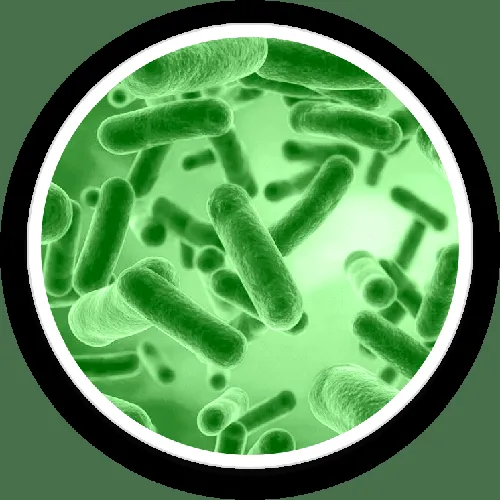
Bacillus Coagulans
Role: A highly resilient, spore-forming probiotic that survives stomach acid to reach the intestines, where it supports a healthy microbial balance, reduces inflammation, and strengthens the gut barrier.
Typically 1-2 billion CFUs/day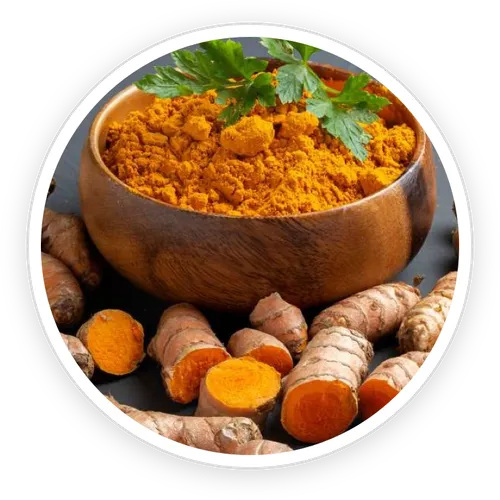
Turmeric Root Extract
Role: Contains curcumin, a powerful anti-inflammatory and antioxidant compound that helps reduce gut inflammation and supports overall digestive comfort. Often enhanced with piperine for absorption.
50-500 mg/day depending on size
Chlorella Powder
Role: A potent detoxifier that binds to heavy metals and toxins, helping to remove them from the body. Rich in nutrients, it also supports immune function and promotes gut healing.
100-500 mg/day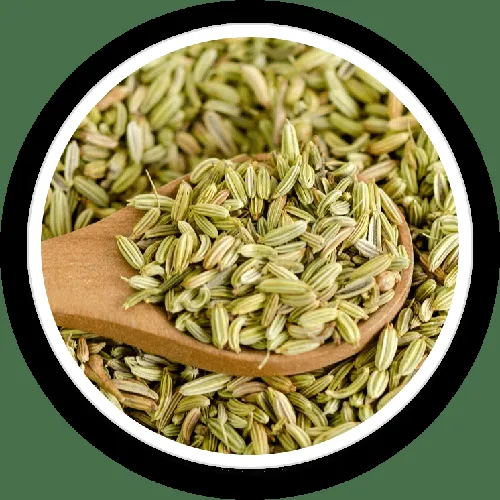
Fennel Seed Powder
Role: Known for its carminative properties, fennel helps alleviate gas, bloating, and digestive discomfort. It can soothe the digestive tract and promote healthy gut motility.
50-200 mg/day
Organic Kelp Powder
Role: A nutrient-dense superfood rich in iodine, minerals, and prebiotics. It supports thyroid health, aids in detoxification, and provides beneficial fiber for gut bacteria, enhancing overall digestive function.
50-300 mg/day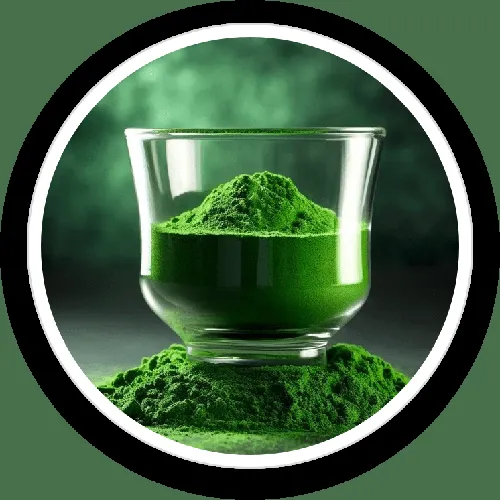
Sodium Copper Chlorophyllin
Role: A derivative of chlorophyll, it acts as an internal deodorizer, helps detoxify the body, and possesses antioxidant and anti-inflammatory properties that can support gut tissue health and healing.
25-100 mg/day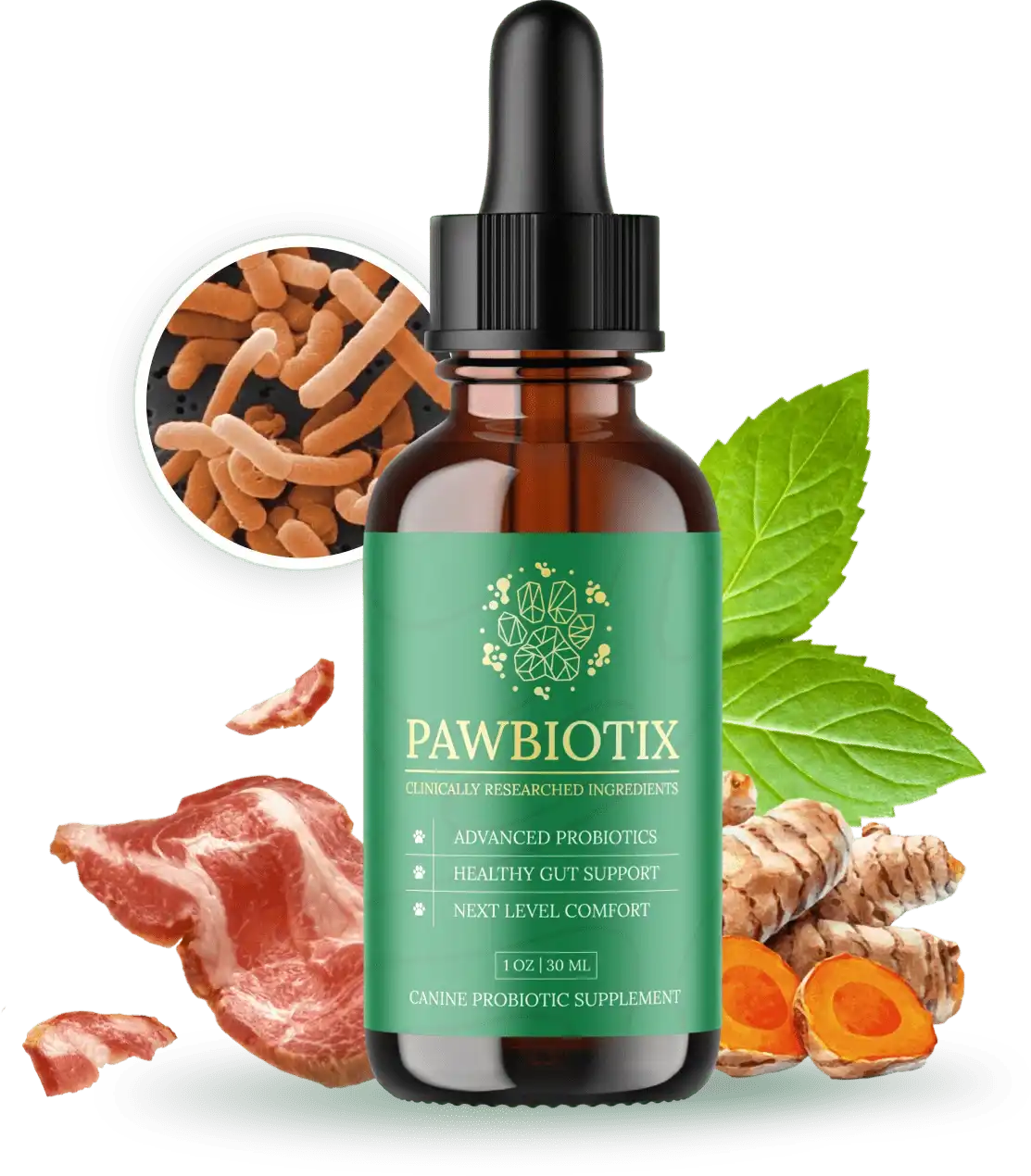
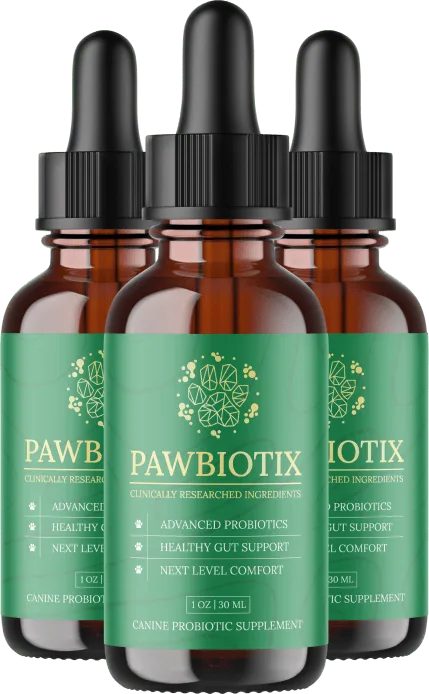
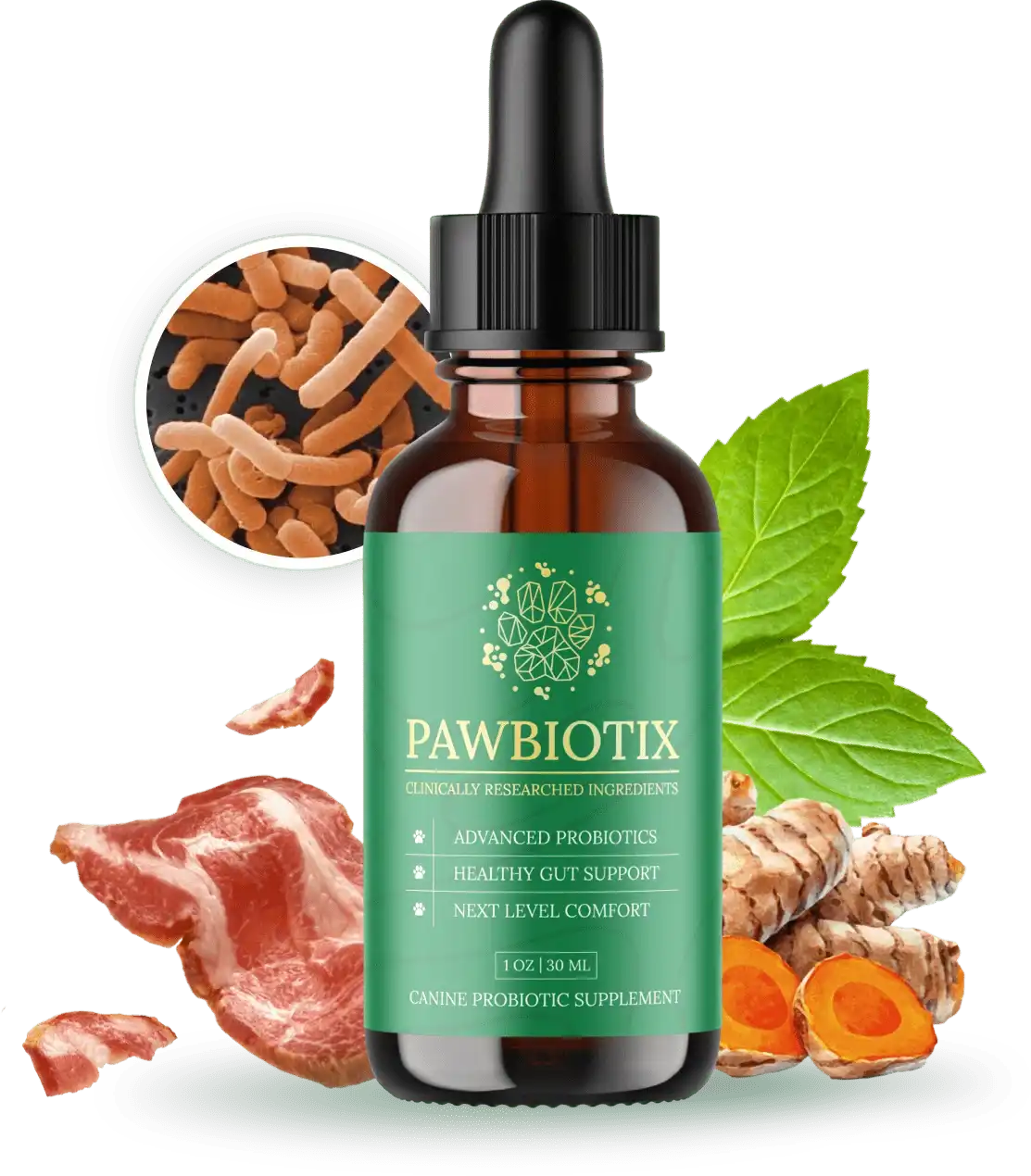
Restore Your Dog's Digestive Balance with PawBiotix
PawBiotix is a revolutionary, all-natural supplement specifically formulated to target the root causes of canine digestive issues and support a healthy gut microbiome. Developed with leading veterinary researchers, PawBiotix provides comprehensive support to heal a leaky gut, boost immunity, and enhance your dog's overall well-being.
- ✓ Supports a healthy gut microbiome with powerful probiotics
- ✓ Helps repair and strengthen the intestinal lining
- ✓ Reduces inflammation and soothes digestive discomfort
- ✓ Boosts immune system function and reduces allergy symptoms
- ✓ Made with 100% natural, scientifically-backed ingredients




Happy Paws, Happy Guts: Real Results from PawBiotix Users
Hear directly from dog owners whose companions have experienced remarkable improvements in their digestive health and overall well-being with PawBiotix. For more stories, visit our PawBiotix reviews page.
"My Golden Retriever, Charlie, suffered from chronic diarrhea for years. We tried everything! After just a month on PawBiotix, his stools are solid, his coat is shinier, and he has so much more energy. It's truly been a game-changer for him!"
"My vet suspected Leaky Gut was behind my Pug's constant itching and ear infections. I added PawBiotix to her diet, and within weeks, the scratching significantly reduced. Her ears are clear, and she's finally comfortable. Highly recommend!"
"I was skeptical, but my senior dog's digestion was a mess. PawBiotix has made a huge difference. No more gas, no more upset tummy. He's eating better and seems happier overall. It's a fantastic product for older dogs with sensitive stomachs."
Frequently Asked Questions
What exactly is Leaky Gut Syndrome in dogs?
+Leaky Gut Syndrome, or increased intestinal permeability, occurs when the tight junctions in a dog's intestinal lining become compromised. This allows undigested food particles, toxins, and bacteria to 'leak' into the bloodstream, triggering systemic inflammation and an overactive immune response, leading to a host of health problems.
What are the most common causes of Leaky Gut in dogs?
+Common causes include a poor diet high in processed ingredients, food sensitivities or allergies, chronic stress, overuse of certain medications (like antibiotics and NSAIDs), environmental toxins, and imbalances in the gut microbiome (dysbiosis). These factors can damage the integrity of the intestinal wall over time.
How can I tell if my dog might have Leaky Gut Syndrome?
+Symptoms can be varied and often mimic other conditions. Look for chronic digestive issues like diarrhea, vomiting, or gas; skin problems such as itching, rashes, or hot spots; allergies; joint pain; behavioral changes like anxiety or aggression; and recurrent infections. A veterinarian can help diagnose and differentiate.
Are there natural remedies to help dogs with Leaky Gut?
+Yes, several natural approaches can support gut healing. These include dietary changes to a whole-food, species-appropriate diet, introducing high-quality probiotics and prebiotics, supplementing with gut-supportive nutrients like L-glutamine, and using herbs with anti-inflammatory and digestive benefits. Reducing stress and exposure to toxins also plays a crucial role.
How long does it take to see improvements in a dog with Leaky Gut?
+The timeline for improvement varies greatly depending on the severity of the condition, the dog's overall health, and the consistency of the treatment plan. Some dogs may show subtle improvements within a few weeks, while others might take several months for significant changes. Patience and a holistic approach are key.
Can PawBiotix help with Leaky Gut Syndrome in dogs?
+PawBiotix is formulated with a blend of ingredients specifically chosen to support canine gut health, including potent probiotics like Bacillus coagulans, prebiotics, and natural compounds known for their anti-inflammatory and gut-lining protective properties. While it's designed to support a healthy gut microbiome and intestinal integrity, it should be used as part of a comprehensive strategy and in consultation with your veterinarian.
Related Articles