Is your dog's vomiting a minor hiccup or a serious red flag?
As devoted dog owners, few things are as unsettling as seeing our beloved companions vomit. That sudden retching, the messy aftermath, and the immediate worry that floods our minds can be overwhelming. While occasional vomiting can be a normal part of a dog's life – perhaps they ate too fast, ingested something mildly irritating, or simply have a sensitive stomach – there are times when it signals something far more serious that requires immediate attention.
Understanding the nuances of canine vomiting – from its potential causes to identifying critical warning signs – is paramount for every pet parent. This comprehensive guide will help you decipher when to observe, when to administer gentle natural remedies, and most importantly, when to rush to the vet. We'll also explore the profound connection between gut health and overall well-being, revealing how a balanced digestive system is your dog's first line of defense against illness and a key to preventing recurrent episodes of stomach upset.

Understanding Canine Vomiting: More Than Just a Mess
Vomiting is a protective reflex, a way for your dog's body to expel harmful substances or relieve digestive discomfort. However, the frequency, nature, and accompanying symptoms can tell us a lot about its underlying cause.
Distinguishing between occasional, benign vomiting and a more serious medical emergency is critical. While it's always best to err on the side of caution and consult your veterinarian if you're concerned, understanding the context can help you make informed decisions. Many cases of mild vomiting can be resolved with simple home care, but others demand immediate professional intervention. The **color, consistency, and contents of the vomit** are important clues, as are your dog's overall demeanor and any other symptoms they might be exhibiting.
One key factor often overlooked is the **gut microbiome**. A healthy balance of bacteria in your dog's digestive tract is essential for proper digestion, nutrient absorption, and immune function. When this delicate balance is disrupted, it can lead to a host of digestive issues, including vomiting, diarrhea, and even more chronic conditions. This is where a holistic approach to canine health, focusing on foundational gut support, becomes invaluable.
💡 Key Takeaway
Occasional vomiting in dogs can be normal, but persistent, severe, or accompanied by other symptoms like lethargy or blood in vomit, requires immediate veterinary attention. The gut microbiome plays a crucial role in preventing digestive upsets.
When to Be Worried: Red Flags for Dog Vomiting
While a single episode of vomiting may not be cause for alarm, certain signs indicate a more serious underlying issue that warrants an immediate trip to the veterinarian.
It’s important to trust your instincts as a pet owner. If your dog doesn't seem "right" after vomiting, or if any of the following symptoms are present, do not delay in seeking professional medical advice:
- Frequent or Projectile Vomiting: If your dog vomits multiple times within a short period (e.g., several times in an hour, or more than 2-3 times in 24 hours), or if the vomiting is forceful and projectile.
- Vomit Containing Blood: Bright red blood indicates fresh bleeding, while dark, coffee-ground-like vomit suggests digested blood, both of which are serious.
- Lethargy and Weakness: If your dog is unusually tired, unresponsive, or collapses after vomiting.
- Abdominal Pain or Bloating: Whining, reluctance to move, guarding their belly, or a visibly distended abdomen can indicate severe issues like bloat (gastric dilatation-volvulus), which is a life-threatening emergency.
- Persistent Diarrhea with Vomiting: This combination can lead to rapid dehydration and may signal serious infections or inflammatory conditions.
- Fever: An elevated body temperature (above 102.5°F or 39.2°C) coupled with vomiting.
- Inability to Keep Water Down: If your dog continues to vomit even small sips of water, they are at high risk of dehydration.
- Suspected Toxin Ingestion: If you believe your dog has eaten something poisonous (e.g., chemicals, certain plants, human medications, toxic foods like chocolate or xylitol), seek emergency care immediately, even if they only vomit once.
- Foreign Object Ingestion: If you suspect your dog has swallowed a toy, bone, cloth, or any other non-food item. Vomiting may be an attempt to expel it, but it could also indicate an obstruction.
- Changes in Gum Color: Pale or white gums can indicate shock or severe blood loss.
- Known Chronic Illness: If your dog has a pre-existing condition like kidney disease, diabetes, or pancreatitis, vomiting can be a sign of a flare-up or worsening condition.
Remember, early detection and intervention can significantly improve outcomes for many serious conditions. Never hesitate to call your vet if you are concerned.
Common Causes of Vomiting in Dogs
Understanding the potential triggers behind your dog's vomiting can help you identify the problem and take appropriate action. Causes range from mild dietary indiscretions to severe medical conditions.
Dietary Indiscretion
Often referred to as "garbage gut," this is one of the most common causes. Dogs are curious and will eat just about anything – spoiled food, trash, grass, fatty table scraps, or even non-food items. Their digestive system simply can't handle it, leading to irritation and vomiting.
Sudden Diet Changes or Food Sensitivities
Introducing a new food too quickly can upset your dog's stomach. Some dogs also have allergies or sensitivities to specific ingredients (e.g., certain proteins, grains), which can manifest as vomiting, diarrhea, or skin issues. Identifying and avoiding these triggers is key.
Parasites and Infections
Intestinal parasites (worms, giardia, coccidia) can cause chronic vomiting, diarrhea, and weight loss. Bacterial or viral infections (like parvovirus, distemper, or common gastroenteritis) also frequently lead to severe vomiting, often accompanied by lethargy and fever.
Medication Side Effects
Certain medications, especially antibiotics, NSAIDs (non-steroidal anti-inflammatory drugs), or chemotherapy drugs, can cause gastrointestinal upset, including vomiting, as a side effect. Always discuss potential side effects with your vet when starting new medications.
Organ Diseases
More serious causes include diseases affecting internal organs such as kidney disease, liver disease, pancreatitis (inflammation of the pancreas), or Addison's disease (adrenal gland disorder). These conditions often present with chronic or recurrent vomiting and require extensive veterinary care.
Foreign Body Obstruction
Dogs, especially puppies, are prone to swallowing non-food items like toys, socks, or bones. These can get lodged in the digestive tract, causing an obstruction that leads to persistent vomiting, abdominal pain, and an inability to pass stool. This is a medical emergency.
Bloat (Gastric Dilatation-Volvulus - GDV)
A life-threatening condition where the stomach fills with gas and twists. Symptoms include unproductive retching, a distended abdomen, restlessness, and pain. Large, deep-chested breeds are particularly susceptible. Immediate veterinary attention is critical.
Stress and Anxiety
Just like humans, dogs can experience physical symptoms from emotional distress. Stress from separation anxiety, fear of loud noises, or changes in routine can sometimes manifest as digestive upset, including vomiting.
The Gut-Immune Connection: Why a Healthy Gut Prevents Vomiting
Understanding the intricate relationship between your dog's gut health and their overall immune system is fundamental to preventing many health issues, including recurrent vomiting.
Did you know that approximately 70-80% of your dog's immune system resides within their gut? This vast network of lymphoid tissue, known as Gut-Associated Lymphoid Tissue (GALT), works in tandem with the trillions of bacteria (the microbiome) that inhabit the digestive tract. A balanced and diverse microbiome is crucial for a robust immune response, proper nutrient absorption, and the production of essential vitamins and fatty acids.
When the gut microbiome is out of balance – a condition called **dysbiosis** – it can lead to a cascade of problems. Harmful bacteria can proliferate, the gut lining can become compromised (often referred to as "leaky gut"), and inflammation can increase throughout the body. This compromised state makes your dog more susceptible to infections, allergies, and digestive issues like vomiting and diarrhea. A strong gut barrier prevents toxins and undigested food particles from entering the bloodstream, where they can trigger immune responses and systemic inflammation.
Maintaining a healthy gut environment with beneficial bacteria helps to:
- Strengthen the Gut Barrier: Prevents harmful substances from entering the bloodstream.
- Modulate the Immune System: Helps the immune system distinguish between friend and foe, reducing inappropriate inflammatory responses.
- Improve Digestion: Aids in breaking down food and absorbing nutrients more efficiently.
- Produce Essential Compounds: Beneficial bacteria produce short-chain fatty acids (SCFAs) like butyrate, which are vital for gut cell health and overall energy.
- Combat Pathogens: Healthy bacteria compete with and inhibit the growth of harmful bacteria and yeast infections.
By focusing on gut health, you're not just addressing digestive symptoms; you're building a stronger foundation for your dog's overall well-being, reducing their susceptibility to illness, and promoting a happier, more comfortable life.
Natural Remedies for Mild Vomiting in Dogs
For mild, infrequent vomiting not associated with any red flag symptoms, several natural approaches can help soothe your dog's stomach and aid recovery. Always consult your vet first to rule out serious conditions.
Short-Term Fasting
For an adult dog with mild vomiting, withholding food for 12-24 hours can give their digestive system a much-needed rest. Ensure constant access to fresh water during this time. For puppies or very small, elderly, or medically compromised dogs, consult your vet before fasting as they are more prone to hypoglycemia.
Bland Diet Introduction
After a fast, slowly reintroduce food with a bland diet. Boiled, plain chicken (skinless, boneless, shredded) mixed with plain white rice (cooked well) is a classic choice. Cooked sweet potato or pure pumpkin puree (not pie filling) can also be added. Offer small amounts frequently throughout the day, gradually increasing the portion size as your dog tolerates it.
Ensure Hydration
Vomiting can lead to dehydration. Offer small, frequent sips of water. You can also offer ice cubes or a low-sodium chicken broth (ensure no onion or garlic) to encourage fluid intake. If your dog cannot keep water down, it's a sign to contact your vet immediately.
Herbal Support
Certain herbs can help soothe an upset stomach. **Ginger** (in very small, vet-approved doses, e.g., a tiny pinch of fresh grated ginger mixed with food) is known for its anti-nausea properties. **Fennel seed powder** can also aid digestion and reduce gas. Always discuss herbal remedies with your vet to ensure proper dosing and safety.
Probiotics and Prebiotics
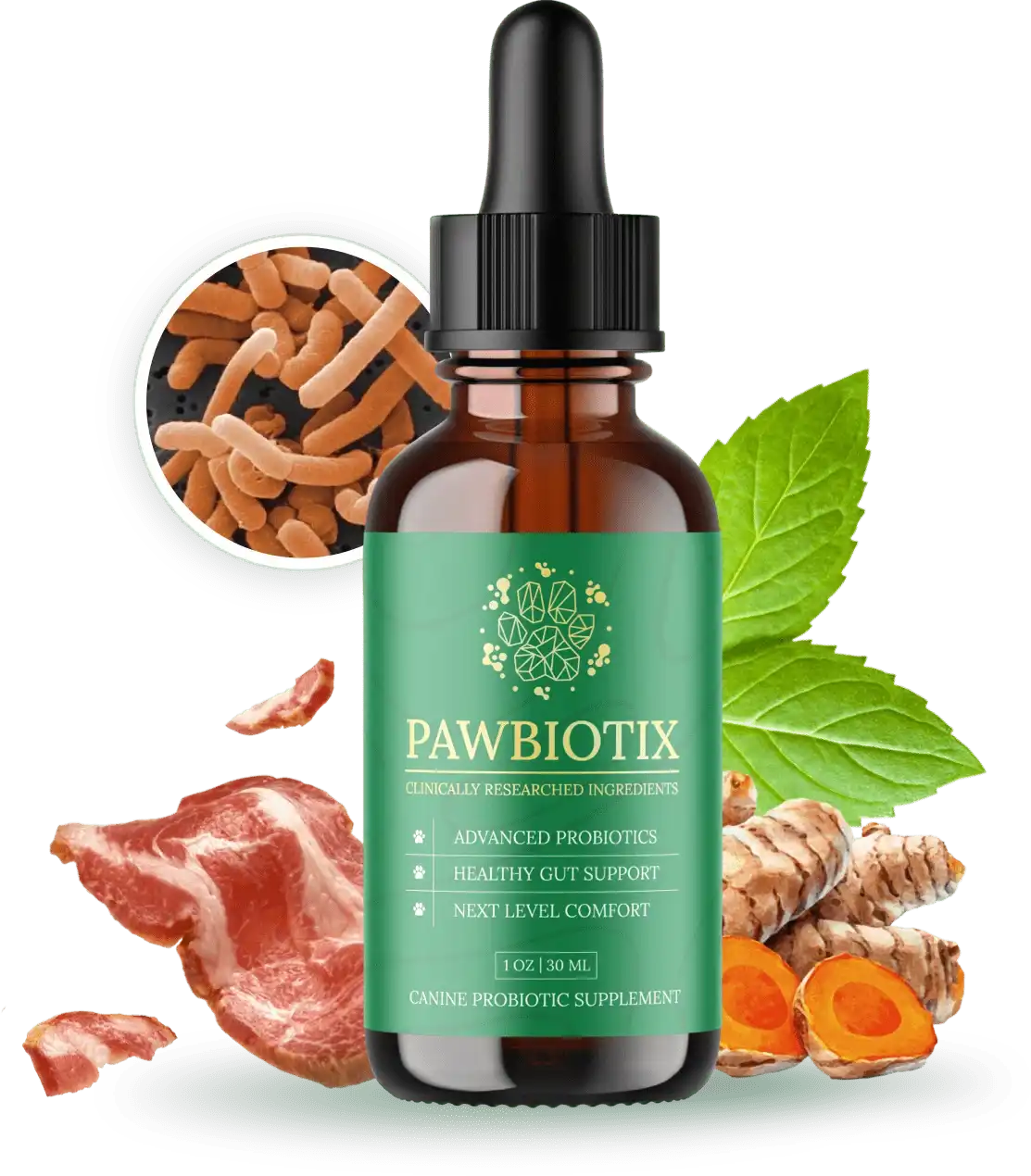
A disrupted gut microbiome is often at the root of digestive issues. Introducing a high-quality probiotic supplement can help restore the balance of beneficial bacteria, strengthen the gut lining, and improve overall digestive function. Prebiotics, which are fiber sources, nourish these good bacteria. This is where a product like PawBiotix can be highly beneficial for long-term digestive health.
Stress Reduction
If stress is a contributing factor to your dog's vomiting, address the underlying anxiety. Provide a calm environment, consistent routine, adequate exercise, and consider calming aids or behavioral training. A peaceful mind often leads to a peaceful stomach.
Introducing PawBiotix: A Natural Approach to Digestive & Immune Health
While immediate veterinary care is crucial for severe vomiting, for recurring or chronic digestive issues, a proactive approach focusing on foundational gut health can make a significant difference. This is where PawBiotix shines.
PawBiotix is an all-natural, veterinarian-formulated supplement designed to address the root causes of canine digestive problems, including those that manifest as vomiting. It's not a quick fix for acute emergencies, but a daily regimen that supports a healthy gut microbiome, strengthens the immune system, and promotes overall digestive comfort. By focusing on a balanced gut, PawBiotix aims to reduce the frequency and severity of digestive upsets, helping your dog lead a happier, healthier life.
Many traditional approaches to digestive issues often only treat symptoms. PawBiotix takes a different path, leveraging a powerful blend of probiotics, prebiotics, and natural ingredients specifically chosen for their ability to nurture the gut from within. This comprehensive support helps to:
- Balance the Gut Microbiome: Introduces beneficial bacteria to outcompete harmful pathogens and restore balance.
- Soothe Digestive Irritation: Ingredients with anti-inflammatory properties help calm an upset stomach.
- Strengthen the Gut Barrier: Supports the integrity of the intestinal lining, preventing "leaky gut."
- Boost Immune Function: A healthy gut is synonymous with a strong immune system, protecting against illness.
- Improve Nutrient Absorption: Ensures your dog gets the most out of their food, leading to better energy and vitality.
PawBiotix offers a convenient and delicious way to integrate powerful gut support into your dog's daily routine, helping to manage and prevent issues like chronic vomiting, diarrhea, gas, and poor appetite. For more details on where to purchase, visit where to buy PawBiotix.
Key Ingredients in PawBiotix for Optimal Canine Health
PawBiotix combines a synergistic blend of natural ingredients, each carefully selected for its scientifically-backed benefits in promoting digestive health and immune function in dogs.

Bacillus Coagulans
Role: A highly stable, spore-forming probiotic that survives stomach acid to reach the intestines, where it supports a healthy gut microbiome, aids digestion, and strengthens the immune system. Crucial for balancing gut flora and reducing digestive upsets.
5-10 Billion CFU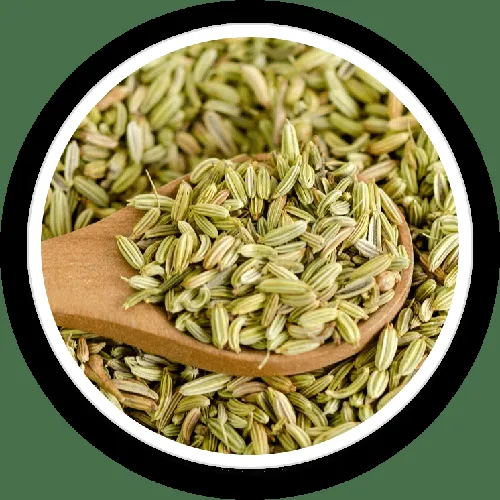
Fennel Seed Powder
Role: Known for its carminative properties, fennel helps to soothe the digestive tract, reduce gas, bloating, and stomach cramps. It can alleviate discomfort associated with indigestion and mild nausea, making it excellent for upset stomachs.
50-200 mg
Chlorella Powder
Role: A nutrient-dense superfood algae, chlorella supports detoxification by binding to heavy metals and toxins, aiding their expulsion. It also provides essential vitamins, minerals, and antioxidants, contributing to overall health and immune resilience.
100-500 mg
Organic Kelp Powder
Role: A rich source of iodine, which supports thyroid health and metabolism. Kelp also contains prebiotics that nourish beneficial gut bacteria, promoting a healthy digestive environment and providing a wide array of vitamins and trace minerals.
50-250 mg
Sodium Copper Chlorophyllin
Role: A derivative of chlorophyll, it acts as an internal deodorizer, helping to reduce bad breath and body odor, often a sign of digestive imbalance. It also has antioxidant properties and supports detoxification processes, contributing to a cleaner internal system.
50-150 mg
Turmeric Root Extract
Role: Renowned for its powerful anti-inflammatory properties, thanks to its active compound curcumin. Turmeric can help reduce inflammation in the gut, soothing irritation and promoting digestive comfort, which is vital for dogs prone to upset stomachs.
50-200 mg
Palmitoylethanolamide (PEA)
Role: A natural fatty acid amide that supports the body's endocannabinoid system, PEA helps modulate pain and inflammation. It can be beneficial for reducing discomfort associated with chronic gut inflammation and promoting overall cellular balance.
50-150 mgPreventative Measures: Keeping Your Dog's Stomach Happy
Beyond reacting to vomiting episodes, proactive steps can significantly reduce the likelihood of your dog experiencing digestive upset.
Prevention is always better than cure, especially when it comes to your dog's sensitive digestive system. By implementing these practices, you can create an environment that supports optimal gut health and reduces the chances of vomiting:
- High-Quality, Consistent Diet: Feed a premium dog food appropriate for your dog's age, breed, and activity level. Avoid frequent changes in diet. If you must switch foods, do so gradually over 7-10 days to allow their digestive system to adjust.
- Avoid Table Scraps and "People Food": Many human foods, especially fatty, spicy, or processed items, can cause severe digestive upset in dogs. Onions, garlic, chocolate, grapes, and xylitol are toxic and must be avoided.
- Prevent Scavenging: Keep trash cans secure, supervise your dog outdoors, and pick up any potentially harmful items from your yard. "Dietary indiscretion" is a leading cause of vomiting.
- Regular Deworming and Parasite Control: Follow your veterinarian's recommendations for regular deworming and year-round parasite prevention to keep internal parasites at bay.
- Stress Management: Identify and mitigate sources of stress or anxiety for your dog. A calm environment, consistent routine, and adequate exercise can help reduce stress-related digestive issues.
- Fresh Water Access: Always provide access to clean, fresh water to ensure proper hydration and aid digestion.
- Portion Control and Slow Feeding: If your dog eats too quickly, they might gulp air and vomit. Use slow-feeder bowls, puzzle feeders, or feed smaller, more frequent meals.
- Proactive Gut Health with Supplements: Incorporating a daily probiotic and prebiotic supplement, like PawBiotix, can help maintain a balanced gut microbiome, strengthen the gut lining, and boost overall immunity, making your dog less susceptible to digestive upsets.
- Regular Veterinary Check-ups: Routine visits allow your vet to catch potential health issues early, address any underlying conditions, and provide tailored advice for your dog's specific needs.
By being diligent with these preventative measures, you can foster a robust digestive system for your dog, minimizing the distress of vomiting and promoting a long, healthy life. Consider how a PawBiotix discount could make this essential gut support more accessible for your furry friend.
Give Your Dog the Gift of a Healthy Gut with PawBiotix!
Don't let digestive issues hold your dog back from a happy, energetic life. PawBiotix offers a comprehensive, natural solution to support their gut health, boost immunity, and put an end to chronic discomfort like vomiting and diarrhea.
- ✓ Supports a Balanced Gut Microbiome
- ✓ Strengthens Immune System Function
- ✓ Reduces Vomiting, Diarrhea & Gas
- ✓ All-Natural, Vet-Formulated Ingredients
- ✓ Delicious Bacon Flavor Your Dog Will Love!




What Pet Parents Are Saying About PawBiotix
"My Golden Retriever, Buddy, used to have a sensitive stomach and would vomit frequently, especially after walks. Since starting PawBiotix a month ago, his digestion has completely transformed! No more upset tummies, and he's more energetic than ever. Plus, he absolutely loves the taste!"
"I was skeptical, but my vet recommended trying a high-quality probiotic for my senior dog's chronic vomiting. PawBiotix has been a game-changer. His appetite is better, his stools are firm, and the vomiting episodes are practically non-existent. It’s given him a new lease on life!"
"My French Bulldog always had issues with gas and occasional vomiting. PawBiotix has made such a difference. His digestion is smoother, he's less gassy, and the best part is no more random throw-ups. The bacon flavor is a huge hit, too!"
Frequently Asked Questions
Why does my dog keep vomiting despite no obvious illness?
+Persistent vomiting without clear external causes often points to underlying digestive imbalances or food sensitivities. Issues like an unhealthy gut microbiome, chronic inflammation, or even stress can manifest as recurrent vomiting. It's crucial to consult your vet to rule out serious conditions, but also consider dietary changes and gut-supporting supplements like probiotics to restore balance.
When should I be worried about my dog's vomiting and call the vet?
+You should contact your veterinarian immediately if your dog vomits repeatedly (more than once or twice in 24 hours), shows signs of lethargy, fever, abdominal pain, diarrhea, or if the vomit contains blood or looks like coffee grounds. If your dog has ingested a foreign object or a known toxin, seek emergency veterinary care at once. Any sudden change in behavior accompanied by vomiting warrants professional attention.
What are some natural remedies for mild dog vomiting?
+For mild, infrequent vomiting (after ruling out serious causes with your vet), natural remedies can include a short 12-24 hour fast (with constant access to water), followed by a bland diet of boiled chicken and rice or pure pumpkin. Small, frequent meals can help. Herbal remedies like ginger (in very small, vet-approved doses) can soothe the stomach. Probiotics are excellent for long-term gut health, helping to balance the digestive system and prevent future episodes.
How can gut health impact my dog's vomiting?
+A healthy gut is fundamental to overall health, including proper digestion and a strong immune system. An imbalanced gut microbiome (dysbiosis) can lead to inflammation, poor nutrient absorption, and increased susceptibility to digestive upsets like vomiting and diarrhea. Probiotics help restore beneficial bacteria, strengthen the gut lining, and reduce inflammatory responses, thereby supporting digestive comfort and reducing vomiting episodes.
Is PawBiotix safe for dogs with sensitive stomachs?
+PawBiotix is formulated with natural ingredients known for their gentle yet effective digestive support, making it generally suitable for dogs with sensitive stomachs. Its blend of probiotics, prebiotics, and soothing botanicals works synergistically to calm the digestive tract and promote a healthy gut environment. However, as with any new supplement, it's always best to introduce it gradually and consult your veterinarian, especially if your dog has known allergies or specific health conditions.
How long does it take to see results with PawBiotix for vomiting issues?
+The time to see results can vary depending on the individual dog's condition, the severity of their digestive issues, and consistency of use. Many pet owners report noticeable improvements in digestive comfort, stool quality, and reduced instances of vomiting within a few weeks of consistent PawBiotix use. For optimal and long-lasting benefits, continuous supplementation is recommended to maintain a balanced gut microbiome and strong immune function.
Related Articles