Is Your Dog's Food Truly Nourishing Their Health?
As loving pet parents, we strive to provide the best for our canine companions, and that starts with their diet. Yet, navigating the vast array of dog food options and deciphering complex labels can feel like a daunting task. Many common health issues in dogs, from dull coats to chronic stomach upset and recurring infections, can often be traced back to their diet. Understanding what's truly in your dog's bowl is the first step towards preventing these problems and ensuring a vibrant, healthy life.
This comprehensive guide will empower you to become a savvy label reader, helping you identify high-quality ingredients that support your dog's digestive and immune health, while also pointing out the red flags to avoid. Making informed choices about your dog's food can significantly impact their well-being, energy levels, and overall longevity. Let's unlock the secrets hidden within those labels and put your dog on the path to optimal health!
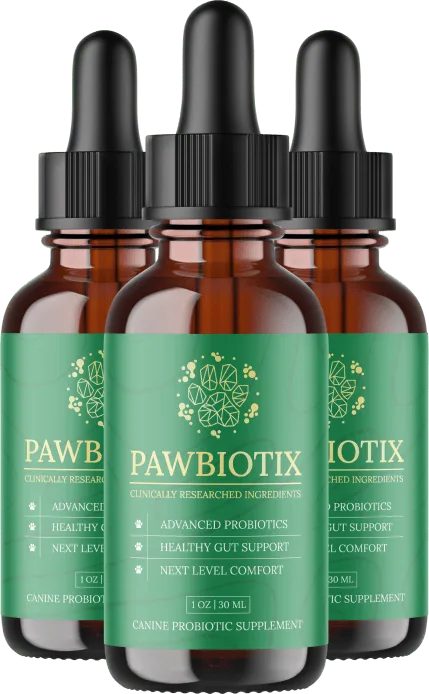
The Foundation: Understanding the Dog Food Label
Before diving into specific ingredients, it's essential to understand the basic structure and regulatory aspects of a dog food label. This knowledge forms the bedrock of making informed decisions for your pet's health.
Every commercial dog food product sold in the United States is regulated by the Food and Drug Administration (FDA) and must comply with standards set by the Association of American Feed Control Officials (AAFCO). AAFCO plays a crucial role in establishing nutritional standards and ingredient definitions. While AAFCO doesn't directly regulate pet food, states often adopt their guidelines into law, giving them significant influence. The label itself is more than just a list of ingredients; it's a legal document that provides critical information about the product's contents and nutritional adequacy.
Key sections you'll encounter on a dog food label include the product name, net weight, manufacturer's name and address, ingredient list, guaranteed analysis, nutritional adequacy statement, feeding guidelines, and calorie statement. Each section offers unique insights into the food's quality and suitability for your dog. For instance, the nutritional adequacy statement is particularly important as it confirms whether the food provides complete and balanced nutrition for a specific life stage, such as "growth," "maintenance," or "all life stages." Without this statement, the food might be considered a treat or supplemental and not suitable as a primary diet.
It's important to remember that marketing claims on the front of the package, such as "premium," "natural," or "holistic," are not always regulated in the same way as the information on the back. Always turn the package over and scrutinize the actual label details. Understanding these fundamental elements will empower you to look beyond the marketing hype and focus on the nutritional facts that truly matter for your dog's health.
💡 Key Takeaway
Dog food labels are regulated documents providing crucial nutritional information. Always prioritize the ingredient list, guaranteed analysis, and AAFCO statement over marketing claims to ensure your dog receives a complete and balanced diet.
Decoding the Ingredient List: Order Matters
The ingredient list is arguably the most vital part of a dog food label. It tells you exactly what goes into your dog's food, and the order of ingredients is not random – it's listed by weight, from heaviest to lightest.
When you examine the ingredient list, pay close attention to the first five to seven ingredients. These typically make up the bulk of the food. A high-quality dog food will usually have one or two identifiable **whole protein sources** listed first, such as "chicken," "beef," "lamb," "salmon," or "turkey." These specific names indicate the source of the protein and suggest a higher quality ingredient compared to vague terms. Avoid products where a non-specific "meat meal" or "animal by-products" are among the very first ingredients, especially if they lack clear identification of the animal source.
Beyond the primary protein, you'll want to see identifiable sources of carbohydrates and fats. For carbohydrates, look for whole grains like **brown rice**, **oats**, **barley**, or nutrient-rich vegetables like **sweet potatoes**, **peas**, or **lentils**. These provide essential energy and dietary fiber. For fats, specific animal fats like "chicken fat" or plant-based oils such as "flaxseed oil" or "salmon oil" are preferable. These fats are crucial for skin and coat health, energy, and the absorption of fat-soluble vitamins. The presence of a variety of whole food ingredients, rather than isolated nutrients or fillers, indicates a more wholesome and beneficial diet for your dog.
It's also important to consider the potential for "ingredient splitting," where a single ingredient is broken down into multiple components (e.g., "corn," "corn gluten meal," "corn bran") to make it appear lower on the list. When combined, these split ingredients might actually outweigh other beneficial components. Being aware of this tactic helps you truly assess the dominant ingredients in the food. Look for transparent, clear ingredient declarations that leave no room for ambiguity about what your dog is consuming.
Essential Ingredients for Optimal Canine Health
A truly healthy dog food goes beyond just meeting basic nutritional requirements. It incorporates ingredients that actively support critical bodily functions, especially the digestive and immune systems, which are intricately linked.
High-Quality Animal Protein
Protein is the cornerstone of your dog's diet, vital for muscle development, tissue repair, enzyme production, and a strong immune system. Look for named meat sources (e.g., "deboned chicken," "lamb meal," "salmon") as the first ingredient. These provide essential amino acids that dogs need to thrive, supporting everything from energy levels to healthy organ function and robust immunity.
Beneficial Fats & Omega Fatty Acids
Fats are a concentrated source of energy and crucial for healthy skin, a shiny coat, and nutrient absorption. Beyond basic fats, look for sources of omega-3 and omega-6 fatty acids, such as **fish oil (salmon, menhaden)**, **flaxseed**, or **chicken fat**. Omega-3s, in particular, are powerful anti-inflammatory agents that can support joint health, cognitive function, and bolster the immune system, reducing the impact of inflammatory conditions.
Complex Carbohydrates & Fiber
While often misunderstood, healthy carbohydrates provide sustained energy and essential fiber. Opt for whole grains like **brown rice**, **oats**, **quinoa**, or grain-free options like **sweet potatoes**, **peas**, and **lentils**. Dietary fiber is indispensable for digestive health, promoting regular bowel movements and feeding beneficial gut bacteria, which in turn supports a robust immune response. Fiber also helps regulate blood sugar levels and can contribute to satiety.
Prebiotics & Probiotics
These are vital for a healthy gut microbiome, which directly impacts digestion and immunity. **Prebiotics** (like FOS, inulin, chicory root) are non-digestible fibers that feed beneficial gut bacteria. **Probiotics** (live beneficial bacteria like *Bacillus coagulans*) help maintain a balanced gut flora, preventing the overgrowth of harmful bacteria. Together, they enhance nutrient absorption, reduce digestive upset, and strengthen the immune system, acting as a critical defense line against pathogens.
Vitamins, Minerals & Antioxidants
A comprehensive blend of vitamins (A, D, E, B-complex) and minerals (calcium, phosphorus, zinc, selenium) is necessary for every bodily function. Antioxidants, found in ingredients like **berries**, **spinach**, **carrots**, and **turmeric**, combat free radicals, reduce oxidative stress, and protect cells from damage. This cellular protection is crucial for maintaining a strong immune system and reducing the risk of chronic diseases, contributing to your dog's overall vitality and longevity.
Ingredients to Avoid: The Red Flags on Dog Food Labels
Just as important as knowing what to look for, is knowing what to steer clear of. Certain ingredients offer little nutritional value and can even be detrimental to your dog's long-term health, particularly for those with sensitive digestive systems or compromised immunity.
Firstly, **artificial colors, flavors, and preservatives** are big red flags. Ingredients like Red 40, Blue 2, Yellow 5 and 6, BHA, BHT, and ethoxyquin are often linked to allergic reactions, hyperactivity, and even potential carcinogenic effects in dogs. Natural alternatives exist, such as mixed tocopherols (Vitamin E) for preservation, and natural flavors derived from meat or vegetables. Always opt for foods that explicitly state "no artificial colors, flavors, or preservatives."
Secondly, be wary of **excessive fillers and by-products from unspecified sources**. While some by-products can be nutritious (e.g., organ meats), generic terms like "meat by-products" or "animal digest" can indicate ingredients of inconsistent quality and origin. Similarly, large amounts of cheap fillers like **corn**, **wheat**, and **soy** – especially if they are among the first ingredients – can be problematic. These ingredients are often used to bulk up food, can be difficult for some dogs to digest, and are common allergens. While not inherently bad for all dogs, their prominence often suggests a lower-quality food that prioritizes cost over nutritional density.
Lastly, **added sugars and excessive salt** are unnecessary and unhealthy for dogs. Sugars can contribute to weight gain, dental problems, and can disrupt the delicate balance of gut flora, leading to digestive issues. While a small amount of salt is essential, high levels can be detrimental. Always check for ingredients like "sugar," "corn syrup," "fructose," or "sucrose" on the label. Many of these ingredients are purely for palatability for the owner, not for the dog's health. Choosing foods free from these questionable additives is a proactive step towards safeguarding your dog's health.
The Impact of Diet on Canine Digestive & Immune Health
The connection between diet, digestion, and immunity in dogs is profound. A well-nourished gut is the foundation of overall health, directly influencing how your dog feels, looks, and defends against illness.
Gut-Immune Axis
Approximately 80% of a dog's immune system resides in their gut. A healthy gut microbiome – the community of bacteria living in the digestive tract – is crucial for training the immune system, producing beneficial compounds, and defending against pathogens. A diet rich in fiber, prebiotics, and probiotics fosters this healthy balance, strengthening your dog's natural defenses against infections and diseases.
Nutrient Absorption
Even the best ingredients are useless if your dog can't properly absorb their nutrients. A healthy digestive system, supported by appropriate enzymes and a balanced microbiome, ensures that vitamins, minerals, and other vital compounds are efficiently assimilated into the body. Poor digestion can lead to nutrient deficiencies, impacting energy levels, coat quality, and overall vitality.
Reduced Inflammation
Many chronic health issues, from allergies to arthritis, have an inflammatory component. A diet high in inflammatory ingredients (like certain artificial additives or poor-quality fats) can exacerbate these conditions. Conversely, a diet rich in anti-inflammatory ingredients, such as omega-3 fatty acids and antioxidants, can help mitigate inflammation, promoting comfort and healing. This is particularly relevant for dogs struggling with recurring digestive upset or skin issues.
Behavior & Mood
The gut-brain axis is a two-way street. A dog's digestive health can influence their mood and behavior. Imbalances in gut flora can contribute to anxiety, stress, and even aggression. Providing a diet that supports a healthy gut can lead to a calmer, happier, and more balanced temperament, improving their quality of life and your bond with them.
Beyond the Basics: Specialized Ingredients for Targeted Support
For dogs facing specific challenges like chronic digestive issues or a weakened immune system, certain specialized ingredients can offer targeted support that goes beyond standard nutrition. These components work synergistically to restore balance and enhance natural defenses.
One of the most impactful categories is **probiotics**. These beneficial microorganisms, like *Bacillus coagulans*, are live bacteria that, when administered in adequate amounts, confer a health benefit on the host. They help maintain a healthy balance of gut flora, which is crucial for digestion, nutrient absorption, and immune function. A disrupted gut microbiome can lead to issues ranging from occasional diarrhea and constipation to more severe inflammatory bowel conditions and heightened susceptibility to infections. Integrating specific probiotic strains can help alleviate these symptoms and bolster the gut's protective barrier.
Another powerful group includes **natural antioxidants and anti-inflammatory agents**. Ingredients such as turmeric root extract, chlorella powder, and organic kelp powder provide a rich source of compounds that combat oxidative stress and chronic inflammation. Oxidative stress can damage cells and tissues, weakening the immune response, while chronic inflammation underlies many canine health problems. Turmeric, with its active compound curcumin, is well-known for its potent anti-inflammatory properties. Chlorella and kelp offer a spectrum of vitamins, minerals, and phytonutrients that support detoxification pathways and immune cell function. These ingredients not only help in managing existing conditions but also play a preventive role in maintaining long-term health.
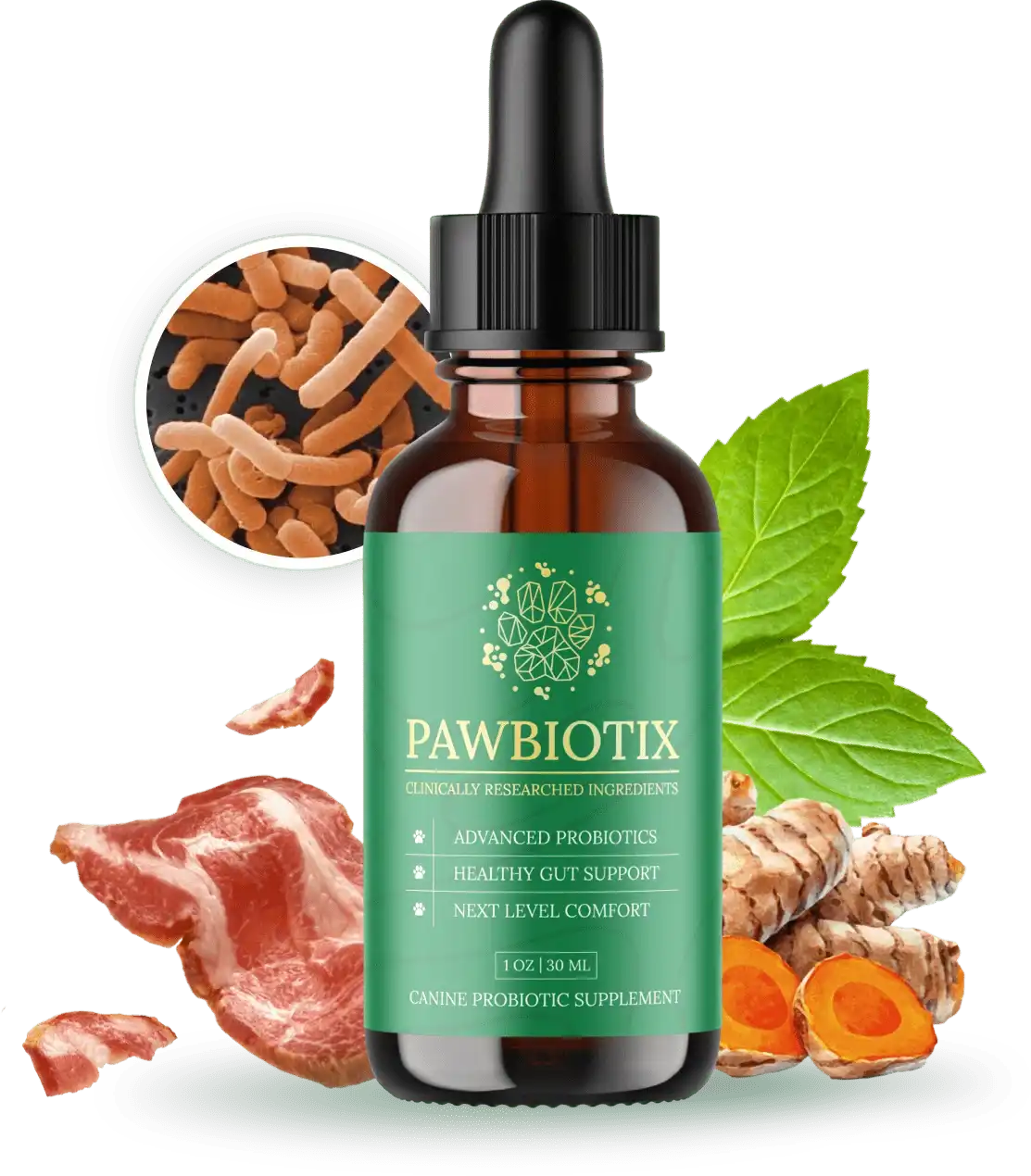
Furthermore, ingredients like fennel seed powder can directly address digestive discomfort. Fennel has long been used for its carminative properties, helping to relieve gas, bloating, and stomach cramps, making it a soothing addition for dogs prone to digestive upset. The combination of these specialized ingredients, often found in high-quality supplements, can provide a comprehensive approach to supporting your dog's digestive and immune health, complementing a carefully chosen diet. If you're looking for a comprehensive solution, consider a supplement like PawBiotix, which combines many of these beneficial ingredients to provide targeted support for canine digestive and immune problems. Learn more about choosing the best digestive supplement for dogs.
Key Ingredients in PawBiotix for Digestive & Immune Support
PawBiotix is formulated with a powerful blend of natural ingredients, each chosen for its specific role in promoting optimal canine digestive and immune health. Here are some of the core components:
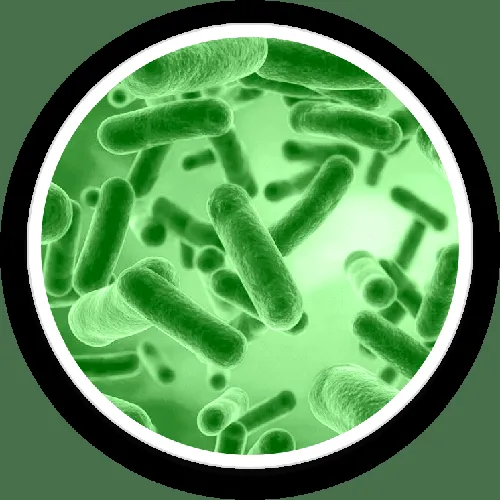
Bacillus Coagulans
Role: A highly stable probiotic strain that survives stomach acid to reach the intestines, where it supports a healthy gut microbiome, aids digestion, and strengthens the immune system by balancing beneficial bacteria.
5-10 Billion CFUs
Chlorella Powder
Role: A nutrient-dense superfood algae packed with vitamins, minerals, and antioxidants. It supports detoxification, boosts immune function, and promotes healthy cellular regeneration, contributing to overall vitality.
100-200 mg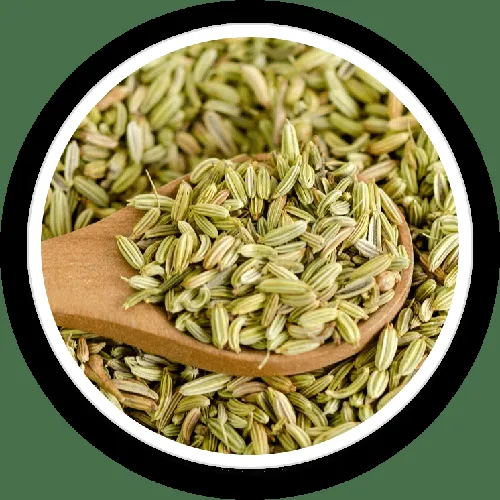
Fennel Seed Powder
Role: Known for its soothing properties, fennel helps alleviate digestive discomfort such as gas, bloating, and cramps. It promotes healthy digestion and can calm an upset stomach, making meals more comfortable for your dog.
50-150 mg
Organic Kelp Powder
Role: A rich source of essential vitamins, minerals (especially iodine), and prebiotics. Kelp supports thyroid health, metabolism, and provides beneficial fiber to nourish gut bacteria, further enhancing digestive and immune health.
50-100 mg
Sodium Copper Chlorophyllin
Role: A derivative of chlorophyll, this compound acts as a natural detoxifier and antioxidant. It helps neutralize free radicals, supports cellular health, and can aid in maintaining fresh breath and body odor, contributing to overall well-being.
20-50 mg
Turmeric Root Extract
Role: Contains curcumin, a powerful anti-inflammatory and antioxidant compound. It supports joint health, reduces systemic inflammation, and boosts the immune system, contributing to a healthier and more comfortable life for your dog.
50-100 mg
Give Your Dog the Gift of Optimal Digestive & Immune Health!
You've learned how critical proper nutrition and specific ingredients are for your dog's well-being. Now, take the next step towards a healthier, happier life for your furry friend with PawBiotix. Our expertly formulated supplement is designed to address canine digestive issues and immune problems directly, providing comprehensive support that complements their diet.
- ✓ Supports a balanced gut microbiome for optimal digestion.
- ✓ Boosts natural immune defenses against illness.
- ✓ Reduces digestive discomfort like gas, bloating, and irregular stools.
- ✓ Promotes nutrient absorption for enhanced vitality and energy.
- ✓ Made with 100% natural, vet-approved ingredients.




What Happy Pet Parents Are Saying
"My dog used to have constant tummy troubles and itchy skin. After switching to a better diet and adding PawBiotix, his digestion is smooth, his coat is shiny, and he's so much more energetic. It's truly made a world of difference!"
"I was overwhelmed by all the dog food options. This article helped me understand what to look for. Combined with PawBiotix, my senior dog's vitality has improved dramatically. He's like a puppy again!"
"My vet recommended I pay closer attention to ingredients for my dog's chronic allergies. Learning to read labels and incorporating PawBiotix has significantly reduced his flare-ups. He's finally comfortable and thriving."
Frequently Asked Questions
Why is reading dog food labels so important for my pet's health?
+Reading dog food labels is crucial because it empowers you to understand exactly what you're feeding your companion. It helps you identify high-quality ingredients that support their overall health, especially their digestive and immune systems, and avoid potentially harmful fillers, artificial additives, or allergens that can lead to health issues. A well-informed choice can prevent common problems like skin allergies, digestive upset, and long-term chronic conditions, contributing to a longer, healthier, and happier life for your dog.
What are the most important sections on a dog food label to pay attention to?
+The most critical sections include the ingredient list, guaranteed analysis, nutritional adequacy statement (AAFCO statement), feeding guidelines, and caloric content. The ingredient list reveals the quality and source of nutrients, while the guaranteed analysis provides percentages of crude protein, fat, fiber, and moisture. The AAFCO statement confirms if the food is complete and balanced for your dog's life stage. Understanding these sections together provides a comprehensive view of the food's nutritional profile.
What kind of protein sources should I look for in quality dog food?
+Look for identifiable, whole protein sources listed as the first few ingredients. Examples include "chicken," "beef," "lamb," "salmon," or "turkey." Avoid vague terms like "meat meal" or "animal by-products" without specific animal identification, as these can be of lower quality and inconsistent nutritional value. High-quality protein is essential for muscle development, energy, and a strong immune system.
Are there specific ingredients that support canine digestive and immune health?
+Absolutely. For digestive health, look for probiotics (like *Bacillus coagulans*), prebiotics (like FOS or inulin), and sources of dietary fiber (like pumpkin, chicory root, or beet pulp). For immune support, ingredients rich in antioxidants such as vitamins E and C, omega-3 fatty acids (from fish oil), and certain botanicals like turmeric or spirulina are beneficial. These ingredients work synergistically to maintain a balanced gut microbiome and bolster the body's natural defenses.
What ingredients should I definitely avoid when choosing dog food?
+It's best to avoid artificial colors, flavors, and preservatives (BHA, BHT, ethoxyquin). Also, be wary of excessive fillers like corn, wheat, and soy, especially if they are listed prominently and your dog has sensitivities. Rendered fats from unspecified sources, generic "meat by-products," and high amounts of sugar are also red flags. These ingredients often offer little nutritional value and can contribute to allergies, digestive upset, and other health problems.
How can PawBiotix help address canine digestive and immune issues?
+PawBiotix is formulated with a blend of natural ingredients specifically chosen to support canine digestive and immune health. It includes potent probiotics like *Bacillus coagulans* to balance gut flora, prebiotics to nourish beneficial bacteria, and powerful antioxidants such as Chlorella and Turmeric to combat inflammation and boost immunity. By providing targeted support for the gut microbiome and immune system, PawBiotix can help alleviate common digestive discomforts and strengthen your dog's natural defenses, complementing a well-chosen diet.
Related Articles