Prebiotics vs Probiotics for Dogs: Do You Know the Crucial Difference?
As loving pet parents, we constantly strive to provide the best for our furry companions, and increasingly, that includes focusing on their internal well-being. The buzz around gut health has grown exponentially, not just for humans, but for our canine friends too. You've likely heard terms like "prebiotics" and "probiotics" tossed around, often interchangeably, when discussing digestive health supplements for dogs.
However, understanding the distinct roles these two components play is vital for making informed decisions about your dog's health. While both aim to foster a healthy gut microbiome, they achieve this through fundamentally different mechanisms. Misunderstanding this difference can lead to less effective supplementation and potentially missed opportunities to truly support your dog's digestive system and overall immunity.
The Canine Gut: A Complex Ecosystem
Before we delve into prebiotics and probiotics, it's crucial to understand the intricate world within your dog's gut.
Your dog's gastrointestinal tract is home to trillions of microorganisms, including bacteria, fungi, and viruses, collectively known as the gut microbiome. This complex ecosystem plays a pivotal role far beyond mere digestion. A balanced microbiome is essential for breaking down food, absorbing nutrients, synthesizing vitamins, and perhaps most importantly, supporting a robust immune system. In fact, an estimated 70-80% of a dog's immune system resides in their gut. When this delicate balance is disrupted, it can lead to a cascade of health problems, from digestive upset to skin issues, allergies, and even behavioral changes. Understanding how to nurture this internal environment is key to your dog's long-term health and vitality.
💡 Key Takeaway
A dog's gut microbiome is a critical ecosystem influencing digestion, nutrient absorption, and immune function. Maintaining its balance is fundamental for preventing a wide range of health issues and promoting overall well-being.
Probiotics for Dogs: The Live Benefactors
Let's start by clarifying what probiotics are and how they contribute to your dog's health.
Probiotics are live beneficial microorganisms, typically bacteria or yeasts, that, when administered in adequate amounts, confer a health benefit on the host. Think of them as tiny, helpful residents you introduce to your dog's gut to bolster the existing population of good bacteria. These "good bugs" work tirelessly to maintain a healthy internal environment.
How Probiotics Work
Once ingested, probiotics travel through the digestive tract and, if they survive the harsh stomach acids, they begin to colonize the large intestine. Here, they perform several vital functions:
- Competitive Exclusion: They compete with harmful bacteria for space and nutrients, effectively crowding out pathogens and preventing them from establishing a foothold.
- Production of Beneficial Compounds: Probiotics produce substances like lactic acid, short-chain fatty acids (SCFAs), and bacteriocins (natural antibiotics) that create an unfavorable environment for bad bacteria and support the health of the gut lining.
- Immune Modulation: They interact directly with the immune cells in the gut, helping to regulate immune responses and reduce inflammation.
- Nutrient Synthesis: Certain probiotic strains can synthesize B vitamins and Vitamin K, which are crucial for various bodily functions.
Benefits of Probiotics for Dogs
The positive impacts of a healthy probiotic population are far-reaching, addressing many common canine digestive issues and immune problems:
- Improved Digestion: They help break down food, absorb nutrients more efficiently, and can alleviate symptoms like diarrhea (especially antibiotic-induced), constipation, and excessive gas.
- Stronger Immune System: By reinforcing the gut barrier and modulating immune responses, probiotics can significantly boost your dog's natural defenses against infections and illnesses.
- Reduced Allergies and Skin Issues: A balanced gut can lessen systemic inflammation, often leading to improvements in skin conditions, itchiness, and allergy symptoms.
- Better Nutrient Absorption: A healthier gut lining means your dog can extract more vitamins, minerals, and other vital nutrients from their food.
- Mood and Behavior Support: The gut-brain axis is a well-established connection. A healthy gut can positively influence a dog's mood, potentially reducing anxiety and promoting calmer behavior.
Common Probiotic Strains for Dogs
Not all probiotics are created equal. Different strains offer different benefits. Key strains often found in dog supplements include:
- Lactobacillus species (e.g., L. acidophilus, L. plantarum, L. rhamnosus): Known for producing lactic acid and helping with digestion and immune support.
- Bifidobacterium species (e.g., B. animalis, B. longum, B. breve): Important for gut barrier function and immune modulation.
- Bacillus species (e.g., Bacillus coagulans, Bacillus subtilis): Spore-forming probiotics that are highly stable and can survive the harsh digestive environment to germinate in the gut.
When choosing a probiotic, looking for a multi-strain formula with a high CFU (Colony Forming Units) count, typically in the billions, is often recommended to ensure a diverse and potent effect.
💡 Key Takeaway
Probiotics are live beneficial microorganisms that actively colonize the gut, competing with bad bacteria, producing helpful compounds, and directly supporting digestion, immunity, and overall health. They are the 'good guys' directly introduced to the gut.
Prebiotics for Dogs: The Fuel for Good Bacteria
While probiotics introduce new beneficial bacteria, prebiotics take a different, yet equally crucial, approach to gut health.
Prebiotics are non-digestible dietary fibers that selectively stimulate the growth and activity of beneficial bacteria already residing in your dog's colon. Unlike probiotics, prebiotics are not living organisms. Instead, they act as a specialized food source, nourishing and empowering the good bacteria to thrive and multiply. Imagine them as the "fertilizer" that helps your existing gut garden flourish.
How Prebiotics Work
When your dog consumes prebiotics, these fibers pass through the upper digestive tract largely unchanged because your dog's own enzymes cannot break them down. It's only when they reach the large intestine that the beneficial gut bacteria get to work. These bacteria ferment the prebiotic fibers, producing valuable byproducts, most notably Short-Chain Fatty Acids (SCFAs) like butyrate, acetate, and propionate.
- Nourishment for Good Bacteria: The primary role of prebiotics is to provide a preferential food source for beneficial bacteria, encouraging their growth and dominance over harmful strains.
- SCFA Production: SCFAs are critical for gut health. Butyrate, in particular, is the primary fuel source for the cells lining the colon, helping to maintain the integrity of the gut barrier and prevent "leaky gut."
- pH Regulation: The fermentation process can lower the pH in the colon, creating an environment less hospitable for pathogenic bacteria.
- Mineral Absorption: Some prebiotics can enhance the absorption of essential minerals like calcium and magnesium.
Benefits of Prebiotics for Dogs
The benefits of prebiotics often complement and amplify those of probiotics, offering a holistic approach to gut health:
- Support a Diverse Microbiome: By selectively feeding beneficial bacteria, prebiotics help to maintain and enhance the diversity and balance of the entire gut ecosystem.
- Improved Gut Barrier Function: SCFAs produced from prebiotic fermentation strengthen the gut lining, making it more resilient against toxins and pathogens.
- Enhanced Immune Function: A healthy gut barrier and a balanced microbiome are foundational for a strong immune response, further protecting your dog from illness.
- Better Stool Quality: Prebiotics can help regulate bowel movements, improving consistency for both diarrhea and constipation, as well as reducing issues like excessive gas.
- Reduced Inflammation: SCFAs have anti-inflammatory properties, which can be beneficial for dogs suffering from inflammatory bowel disease or other inflammatory conditions.
Common Prebiotic Types for Dogs
Several types of prebiotics are beneficial for canine health:
- Fructooligosaccharides (FOS): Found naturally in foods like chicory root, garlic, and bananas.
- Mannanoligosaccharides (MOS): Derived from yeast cell walls, they can also bind to harmful bacteria, preventing them from attaching to the gut wall.
- Inulin: A type of FOS found in chicory root, dandelion greens, and asparagus.
- Galactooligosaccharides (GOS): Found in dairy products, though typically synthesized for supplements.
While many fruits and vegetables contain natural prebiotics, supplementing can ensure your dog receives consistent and adequate amounts to truly foster a thriving gut environment.
💡 Key Takeaway
Prebiotics are non-digestible fibers that act as specific food for beneficial gut bacteria, stimulating their growth and activity. They produce short-chain fatty acids (SCFAs) that nourish colon cells, strengthen the gut barrier, and support overall digestive and immune health. They are the 'fertilizer' for the gut garden.
Prebiotics vs Probiotics: A Head-to-Head Comparison
To summarize the key distinctions, let's look at how prebiotics and probiotics differ:
| Feature | Probiotics | Prebiotics |
|---|---|---|
| Nature | Live microorganisms (bacteria, yeast) | Non-digestible fibers |
| Function | Introduce new beneficial bacteria; colonize the gut | Feed and stimulate existing beneficial bacteria |
| Mechanism | Directly contribute to the microbial population; produce beneficial compounds | Fermented by gut bacteria, producing SCFAs |
| Source | Fermented foods, supplements | Fiber-rich foods (chicory, asparagus), supplements |
| Survival | Must survive stomach acid and bile to reach the gut alive | Resistant to digestion; reaches large intestine intact |
While distinct, it's important to recognize that prebiotics and probiotics are not mutually exclusive; in fact, they are highly complementary. This leads us to the concept of synbiotics.
The Power of Synbiotics: Working Together for Optimal Health
When prebiotics and probiotics are combined, they create a powerful synergy known as a synbiotic.
A synbiotic supplement contains both live beneficial microorganisms (probiotics) and the specific fibers that feed them (prebiotics). This combination is often considered the most effective strategy for promoting canine gut health because the prebiotics enhance the survival and growth of the probiotic strains, as well as nourishing the dog's indigenous beneficial bacteria. It’s like planting seeds (probiotics) in fertile soil (prebiotics) – the chances of them thriving are significantly increased.
This dual approach provides a more comprehensive and robust solution for supporting the gut microbiome, leading to more profound and lasting health benefits for your dog. It addresses both the need to introduce new beneficial strains and to cultivate the existing healthy population. For more details on improving gut health, refer to our article on how to improve dog's gut health naturally.
Signs Your Dog Needs Gut Support
Recognizing the signs of an imbalanced gut is the first step toward addressing your dog's health needs.
Chronic Digestive Upset
Frequent bouts of diarrhea, constipation, excessive gas, bloating, or vomiting are clear indicators that your dog's digestive system is struggling. These symptoms often point to an imbalance in gut flora or a compromised gut lining.
Skin and Coat Problems
Poor coat quality, dry skin, excessive itching, hot spots, or recurring ear infections can all be external manifestations of internal gut issues. A compromised gut can lead to systemic inflammation, which often shows up on the skin.
Allergies and Sensitivities
If your dog suffers from persistent food sensitivities or environmental allergies, it's highly likely their gut health is a contributing factor. A healthy gut barrier prevents undigested food particles and allergens from entering the bloodstream, reducing immune reactions. Learn more about probiotics for dog allergies and digestion.
Weakened Immune System
Frequent infections (e.g., urinary tract infections, kennel cough, skin infections) or a slow recovery from illness suggest a compromised immune system, much of which originates in the gut. Supporting gut health can significantly boost their natural defenses.
Energy and Behavioral Changes
Lethargy, unexplained weight loss or gain, and even behavioral issues like anxiety or aggression can sometimes be linked to an unhealthy gut. The gut-brain axis plays a crucial role in mood and energy regulation.
Choosing the Right Gut Health Supplement for Your Dog
Navigating the vast array of pet supplements can be overwhelming. Here's what to consider when selecting a gut health product for your canine companion:
When looking for a supplement, prioritize products that are specifically formulated for dogs. Human supplements may contain ingredients or dosages unsuitable for canines. Always consult your veterinarian before introducing any new supplement, especially if your dog has existing health conditions or is on medication. They can provide personalized advice based on your dog's specific needs and health history.
Factors to Consider:
- Ingredients and Strains: Look for scientifically backed probiotic strains and prebiotic fibers. A multi-strain probiotic combined with diverse prebiotics often yields the best results.
- Quality and Purity: Choose supplements from reputable brands that adhere to strict quality control standards, such as GMP (Good Manufacturing Practice) certification. Ensure they are free from artificial colors, flavors, fillers, and common allergens.
- Formulation and Delivery: Supplements come in various forms – powders, chews, or capsules. Consider what will be easiest and most palatable for your dog. For probiotics, ensure the strains are stable and can survive the digestive tract to reach the gut alive. Spore-forming probiotics like Bacillus coagulans are often highly stable.
- Transparency: A good brand will clearly list all ingredients, their dosages, and the CFU count for probiotics.
- Veterinarian Recommendation: Always discuss your choice with your vet. They can help you determine if a supplement is appropriate and which type would be most beneficial for your dog's unique situation.
Beyond Prebiotics & Probiotics: A Holistic Approach
While supplements are beneficial, a truly healthy gut involves a holistic approach to your dog's lifestyle.
High-Quality Diet
The foundation of gut health is a balanced, high-quality diet. Opt for foods with whole ingredients, minimal fillers, and appropriate protein sources. Avoid artificial additives, excessive carbohydrates, and low-quality fats that can disrupt the microbiome.
Stress Management
Stress can significantly impact gut health through the gut-brain axis. Provide a stable, enriching environment, consistent routines, and plenty of opportunities for exercise and mental stimulation to reduce stress levels in your dog.
Judicious Antibiotic Use
Antibiotics, while sometimes necessary, can decimate beneficial gut bacteria. If your dog needs antibiotics, discuss with your vet how to best support their gut during and after treatment, often with a high-quality probiotic or synbiotic.
Natural & Whole Foods
Incorporating small amounts of fresh, dog-safe vegetables and fruits (like pumpkin, carrots, blueberries) can provide natural fiber and antioxidants that support overall health and gut function. For more natural remedies, see natural pet health relief remedies.
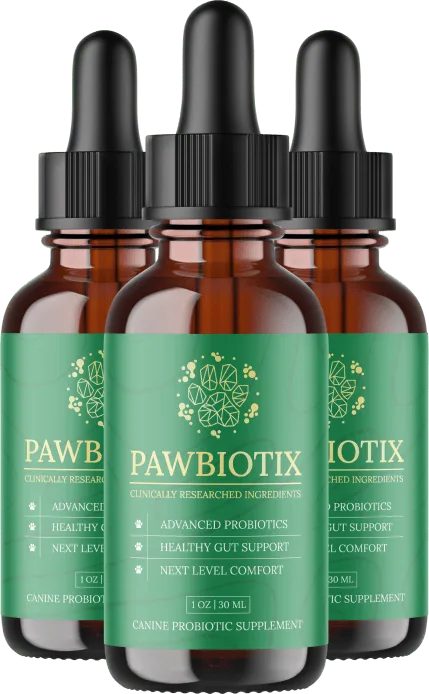
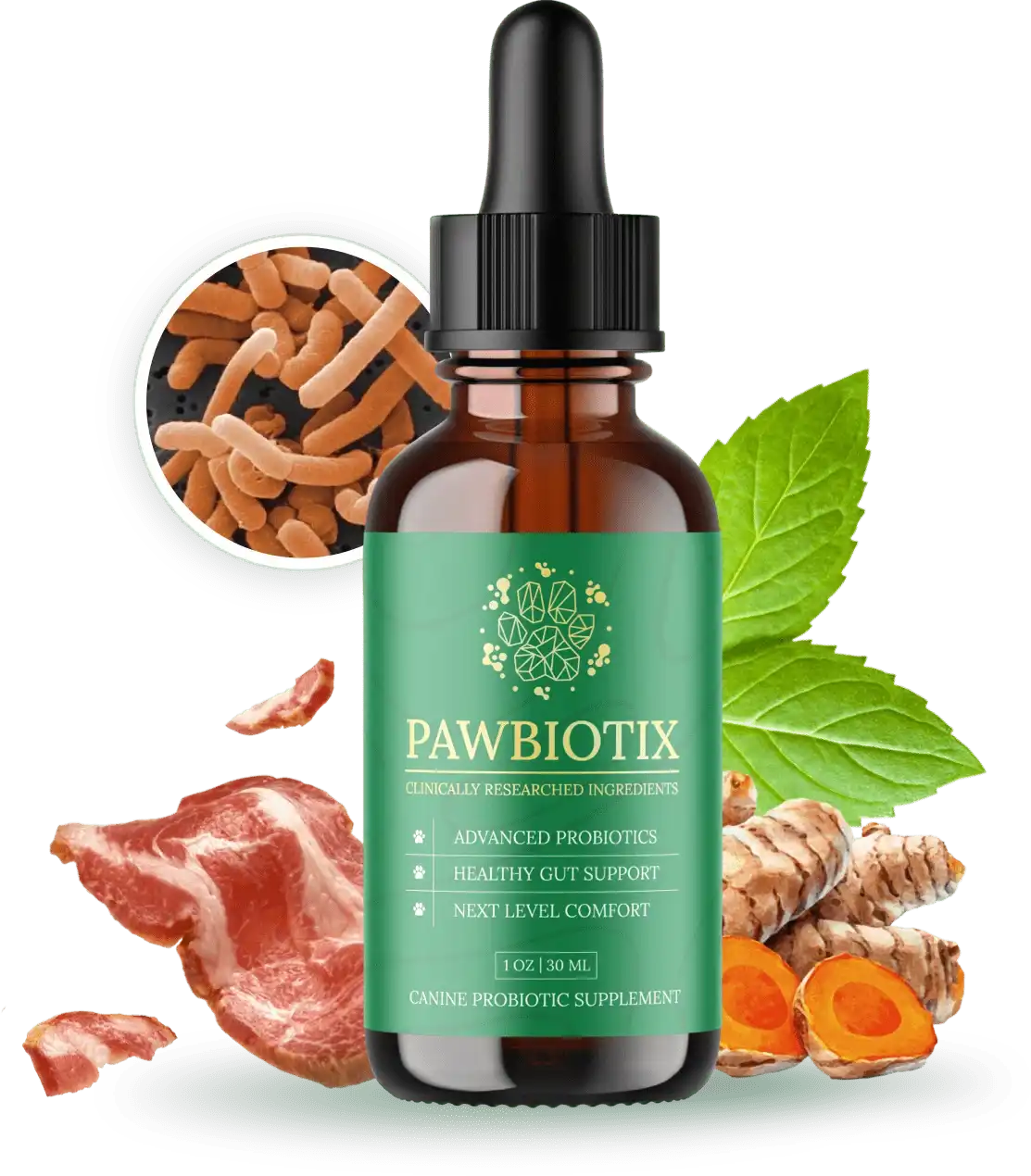
Introducing PawBiotix: A Targeted Prebiotic Blend for Canine Gut Health
While many supplements focus on probiotics, PawBiotix takes a unique approach by emphasizing a powerful blend of prebiotics and natural ingredients designed to cultivate your dog's *existing* beneficial gut flora.
PawBiotix is formulated to provide comprehensive support for your dog's digestive system and immune function, helping to alleviate common issues associated with an imbalanced gut. By focusing on a robust prebiotic foundation, PawBiotix aims to create an optimal environment where your dog's own healthy bacteria can flourish, rather than solely relying on introducing external strains. This approach supports a naturally resilient and balanced microbiome.
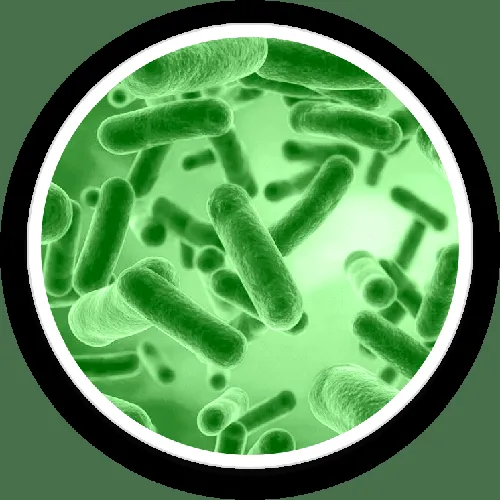
Bacillus Coagulans
Role: A highly stable, spore-forming probiotic strain that survives stomach acid to reach the intestines, where it supports healthy digestion, nutrient absorption, and immune function by producing lactic acid.
500 Million CFU per serving
Chlorella Powder
Role: A nutrient-dense green algae that acts as a powerful detoxifier, helping to bind and eliminate heavy metals and toxins from the body. It also provides essential vitamins, minerals, and antioxidants, supporting overall vitality and cellular health.
100mg per serving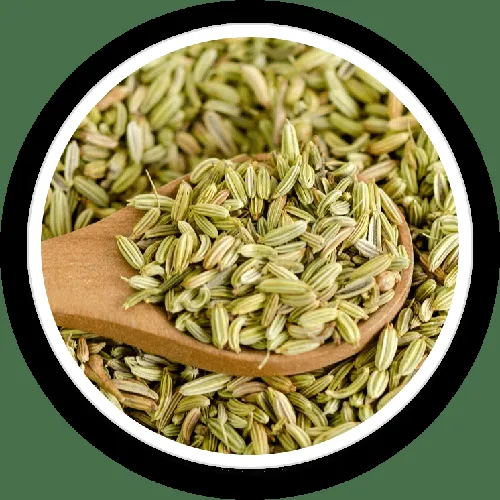
Fennel Seed Powder
Role: Traditionally used to soothe digestive discomfort, fennel seed can help reduce gas, bloating, and indigestion. It also contains compounds that support healthy gut motility and can be beneficial for calming an upset stomach.
50mg per serving
Organic Kelp Powder
Role: A rich source of essential minerals, particularly iodine, which is crucial for thyroid health and metabolism. Kelp also provides prebiotics that support gut flora, aiding digestion and promoting a healthy skin and coat.
50mg per serving
Sodium Copper Chlorophyllin
Role: A derivative of chlorophyll, known for its powerful deodorizing properties, helping to neutralize bad breath and body odor from within. It also supports detoxification processes and promotes overall cellular health.
10mg per serving
Turmeric Root Extract
Role: Contains curcumin, a potent anti-inflammatory and antioxidant compound. Turmeric supports joint health, reduces systemic inflammation, and contributes to overall immune system balance, benefiting gut health indirectly.
50mg per serving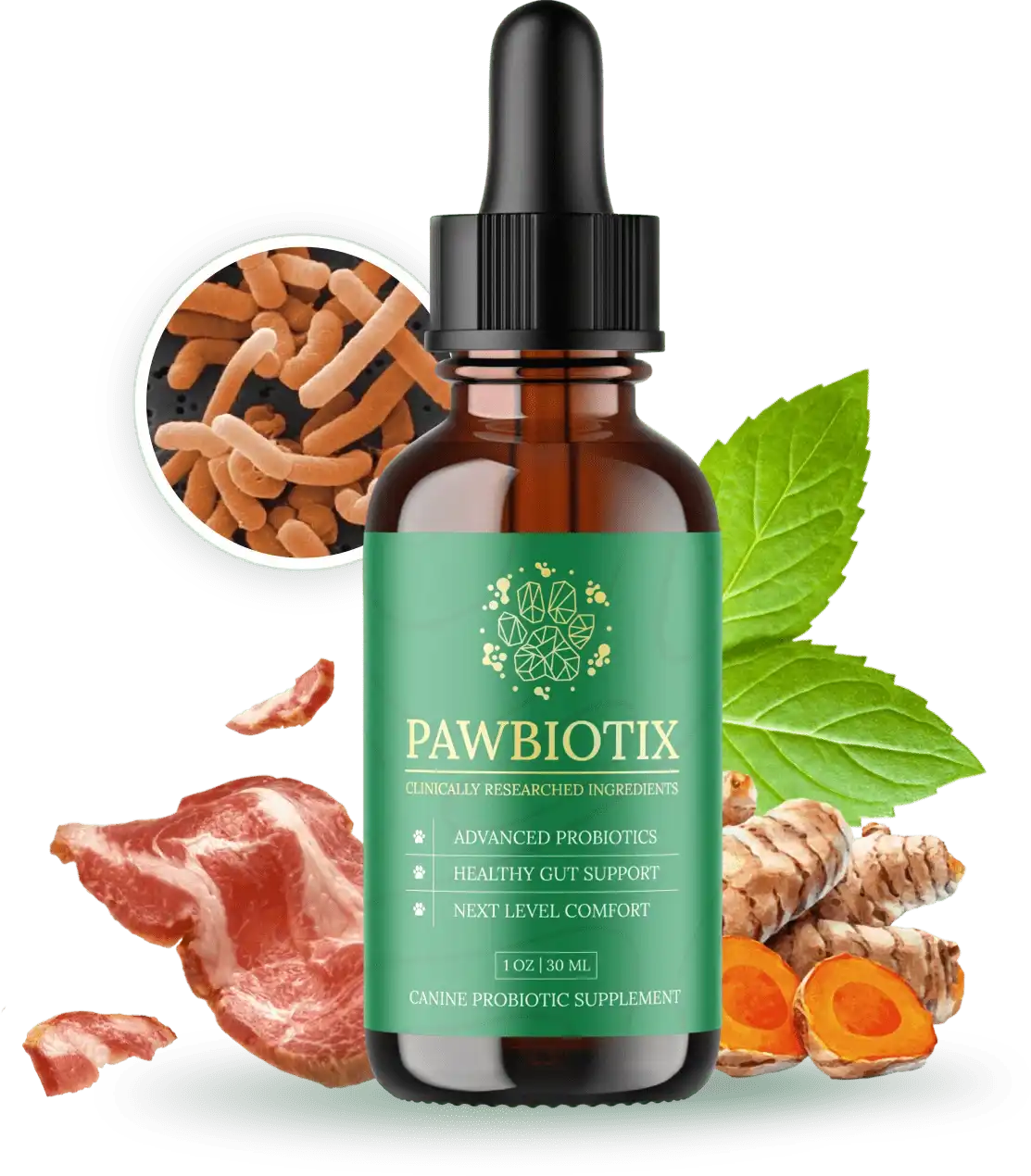
Give Your Dog the Gift of Optimal Gut Health with PawBiotix!
Your dog deserves a life free from digestive discomfort and immune challenges. PawBiotix offers a cutting-edge, natural solution to support their gut health from the inside out. With a unique blend of prebiotics and beneficial ingredients, PawBiotix is designed to foster a thriving gut microbiome, leading to improved digestion, a stronger immune system, and a happier, more energetic companion.
- ✓ Supports Healthy Digestion & Nutrient Absorption
- ✓ Boosts Immune System & Natural Defenses
- ✓ Promotes Balanced Gut Flora with Powerful Prebiotics
- ✓ Alleviates Gas, Bloating & Irregular Stools
- ✓ Made with All-Natural, Vet-Approved Ingredients




What Happy Pet Parents Are Saying
"My golden retriever, Buddy, used to have constant tummy troubles and itchy skin. After starting PawBiotix, his digestion has improved dramatically, and his coat is so much shinier! He's a happier dog all around."
"I was skeptical at first, but PawBiotix has made a noticeable difference for my senior dog, Max. His chronic gas is gone, and he seems to have more energy. It's truly helped his quality of life."
"My vet recommended a prebiotic supplement for my French Bulldog's sensitive stomach. PawBiotix has been fantastic! No more soft stools, and he's finally putting on healthy weight. Highly recommend it!"
Frequently Asked Questions
What's the primary difference between prebiotics and probiotics for dogs?
+Probiotics are live beneficial bacteria that colonize the gut, while prebiotics are non-digestible fibers that act as food for these beneficial bacteria, stimulating their growth and activity. Think of probiotics as the 'seeds' and prebiotics as the 'fertilizer' for a healthy gut garden.
How can I tell if my dog needs a gut health supplement?
+Signs your dog might benefit from gut support include chronic digestive issues like diarrhea, constipation, or excessive gas, recurring skin problems, allergies, frequent infections, bad breath, or even behavioral changes like anxiety. These symptoms often point to an imbalance in the gut microbiome.
Are there any side effects to giving my dog prebiotics or probiotics?
+Generally, prebiotics and probiotics are safe for dogs. However, some dogs might experience mild, temporary digestive upset like gas, bloating, or loose stools, especially when first introduced or if given too high a dose of prebiotics. It's best to start with a small amount and gradually increase.
Can I give my dog human prebiotics or probiotics?
+It's generally not recommended to give dogs human supplements. The bacterial strains in human probiotics may not be appropriate or effective for a canine digestive system, which has a different microbiome composition. Similarly, human prebiotics might contain ingredients or dosages unsuitable for dogs. Always opt for pet-specific formulations.
How long does it take to see results from a gut health supplement like PawBiotix?
+The time to see results can vary depending on the individual dog, the severity of their issues, and the specific supplement. Some dogs may show improvements within a few days or weeks, particularly with acute digestive upset. For chronic conditions, it may take several weeks to a few months to observe significant, lasting benefits. Consistency is key.
Why is a "synbiotic" approach often recommended for canine gut health?
+A synbiotic approach combines both prebiotics and probiotics, offering a synergistic benefit. The prebiotics nourish and promote the growth of the probiotics, as well as the dog's existing beneficial gut bacteria, creating a more robust and balanced gut environment than either component might achieve alone. This comprehensive strategy supports overall digestive and immune health effectively.
Related Articles