Has your dog recently finished a course of antibiotics?
Antibiotics are powerful medications that save lives by fighting harmful bacterial infections. They are indispensable tools in veterinary medicine, used to treat everything from skin infections to serious respiratory illnesses. However, while essential for combating disease, these medications are indiscriminate, often wiping out beneficial gut bacteria along with the bad, leading to a host of potential digestive and immune issues for your beloved pet.
Understanding the profound impact antibiotics have on your dog's gut microbiome is the first step towards helping them recover fully. That's where probiotics become an indispensable part of their post-antibiotic care routine, offering a vital pathway to restoring balance and vitality.
The Canine Gut Microbiome: A Delicate Ecosystem Under Siege
Your dog's gut is home to trillions of microorganisms, collectively known as the gut microbiome. This complex community of bacteria, fungi, and other microbes plays a far greater role than just digestion; it's intricately linked to their overall health, including immune function, mood, and even behavior.
A healthy gut microbiome is characterized by a diverse and balanced population of beneficial bacteria. These "good" bacteria aid in the digestion and absorption of nutrients, produce essential vitamins, protect against harmful pathogens, and play a critical role in training and maintaining the immune system. When this delicate balance is disturbed, it can lead to a cascade of health problems.
Think of your dog's gut as a bustling city. The beneficial bacteria are the responsible citizens, keeping everything running smoothly, while harmful bacteria are potential troublemakers. A healthy city has more good citizens than bad, ensuring peace and prosperity. When this balance is disrupted, the city can fall into chaos, leading to noticeable health issues for your furry friend. This intricate ecosystem is surprisingly fragile and can be easily thrown off balance by various factors, with antibiotics being one of the most potent.
💡 Key Takeaway
The gut microbiome is fundamental to your dog's health, influencing digestion, nutrient absorption, and immune response. Maintaining its balance is crucial for preventing a wide range of health issues.
Antibiotics: The Double-Edged Sword for Canine Health
While antibiotics are lifesavers for bacterial infections, their broad-spectrum action means they don't discriminate between the "good" and "bad" bacteria in your dog's gut. This collateral damage can have significant, often overlooked, consequences.
Depletion of Beneficial Bacteria
Antibiotics can drastically reduce the population of helpful bacteria (like Lactobacillus and Bifidobacterium) that are essential for digestion and immune defense. This creates a vacuum that can be filled by less desirable microbes.
Digestive Upset and Diarrhea
One of the most common side effects of antibiotic use in dogs is gastrointestinal distress. This often manifests as diarrhea, soft stools, vomiting, or loss of appetite. These symptoms are a direct result of the gut microbiome imbalance.
Weakened Immune System
With a significant portion of the immune system located in the gut, a disrupted microbiome can lead to a compromised immune response, making your dog more susceptible to new infections or the recurrence of existing ones.
Nutrient Malabsorption
Beneficial gut bacteria play a key role in breaking down food and synthesizing certain vitamins. Their depletion can lead to inefficient nutrient absorption, potentially affecting your dog's energy levels, coat quality, and overall vitality.
The aftermath of antibiotic treatment can leave your dog vulnerable. It's not enough to simply treat the initial infection; proactive steps are necessary to help their body recover and rebuild its internal defenses. Understanding these potential side effects highlights the crucial role of supportive therapies, such as probiotics, in your dog's post-antibiotic care plan. Without intervention, your dog might struggle with persistent digestive issues or a weakened immune system long after the infection has cleared.
Why Probiotics Are Essential After Antibiotics for Dogs
Integrating a high-quality probiotic into your dog's routine after antibiotic treatment isn't just a good idea; it's a critical step in their recovery process. Probiotics are live microorganisms that, when administered in adequate amounts, confer a health benefit on the host. For dogs recovering from antibiotics, their benefits are multifaceted and profound.
The primary goal of probiotic supplementation post-antibiotics is to help repopulate the gut with beneficial bacteria. This immediate influx of good microbes helps to counteract the damage done by antibiotics, preventing harmful bacteria from taking over and restoring the natural balance of the gut microbiome. This restoration is fundamental to resolving digestive upset and strengthening overall health.
Beyond simple repopulation, probiotics actively work to strengthen the gut barrier function. A healthy gut lining is crucial for preventing toxins and undigested food particles from entering the bloodstream (often referred to as "leaky gut syndrome"). Probiotics help fortify this barrier, enhancing its integrity and reducing systemic inflammation.
Moreover, a balanced gut microbiome is directly linked to a robust immune system. By restoring the gut's healthy flora, probiotics help to modulate and boost your dog's immune response, making them more resilient against future infections and reducing the risk of allergies or autoimmune conditions. This is particularly important because antibiotics can temporarily suppress immune function, leaving your dog vulnerable.
Probiotics also play a role in reducing inflammation throughout the body. Chronic inflammation can contribute to various health problems, including joint pain and skin issues. By fostering a healthy gut environment, probiotics can help mitigate inflammatory responses, contributing to your dog's comfort and well-being.
Finally, probiotics are instrumental in improving nutrient absorption. Healthy gut bacteria assist in breaking down food and synthesizing essential vitamins. With a restored gut, your dog can more efficiently extract vital nutrients from their diet, leading to better energy levels, a shinier coat, and improved overall vitality. This comprehensive support makes probiotics an indispensable tool in post-antibiotic recovery.
Key Benefits of Probiotic Supplementation Post-Antibiotics
Providing your dog with a quality probiotic after antibiotic treatment offers a range of significant advantages that contribute to their rapid and complete recovery.
Restores Gut Flora Balance
The most direct benefit is the reintroduction of beneficial bacteria, which helps to re-establish a healthy microbial balance in the gut. This is crucial for reversing the disruption caused by antibiotics and preventing the overgrowth of harmful pathogens like yeast or C. difficile.
Reduces Digestive Upset
By stabilizing the gut environment, probiotics can quickly alleviate common antibiotic side effects such as diarrhea, vomiting, and gas. They help normalize stool consistency and reduce discomfort, making your dog feel better faster.
Boosts Immune Function
A healthy gut is synonymous with a strong immune system. Probiotics enhance the gut's immune defenses, helping your dog fight off future infections and recover more effectively from illness.
Prevents Yeast Overgrowth
Antibiotics can disrupt the delicate balance between bacteria and yeast in the gut, often leading to yeast overgrowth (Candida). Probiotics help maintain this balance, preventing uncomfortable yeast infections that can manifest as skin issues or ear infections.
Enhances Nutrient Absorption
Beneficial bacteria are vital for breaking down food and making nutrients available for absorption. By restoring these populations, probiotics ensure your dog gets the most nutritional value from their diet, supporting their energy levels and overall health.
Supports Mental Well-being
The gut-brain axis is a well-established connection. A healthy gut can positively impact your dog's mood and behavior, potentially reducing anxiety and improving overall demeanor during stressful recovery periods.
Choosing the Right Probiotic for Your Dog
With a myriad of probiotic supplements on the market, selecting the best one for your dog can feel overwhelming. It's crucial to look beyond basic claims and focus on key quality indicators to ensure you're providing effective support.
Firstly, opt for a probiotic specifically formulated for dogs. Human probiotics may not contain the strains most beneficial for canine digestive systems. Look for products with a **diverse range of bacterial strains**, such as *Bacillus coagulans*, *Lactobacillus acidophilus*, *Bifidobacterium animalis*, and *Enterococcus faecium*. A multi-strain formula offers broader support for the complex canine gut microbiome.
The **Colony Forming Units (CFUs)** count is also important. A higher CFU count (in the billions) indicates a greater number of live, active bacteria, increasing the likelihood of successful colonization in the gut. However, CFU count alone isn't everything; the viability and survival of these strains through the digestive tract are equally critical.
Consider supplements that include **prebiotics**. Prebiotics are non-digestible fibers that act as food for the probiotic bacteria, helping them to thrive and multiply in the gut. Ingredients like FOS (fructooligosaccharides) or inulin are common prebiotics that enhance the effectiveness of the probiotic strains.
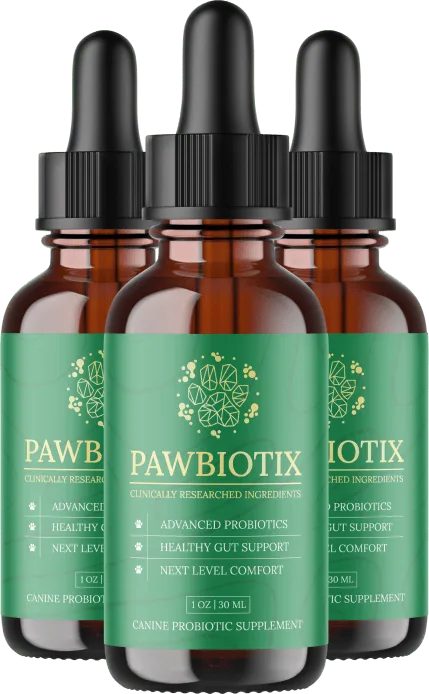
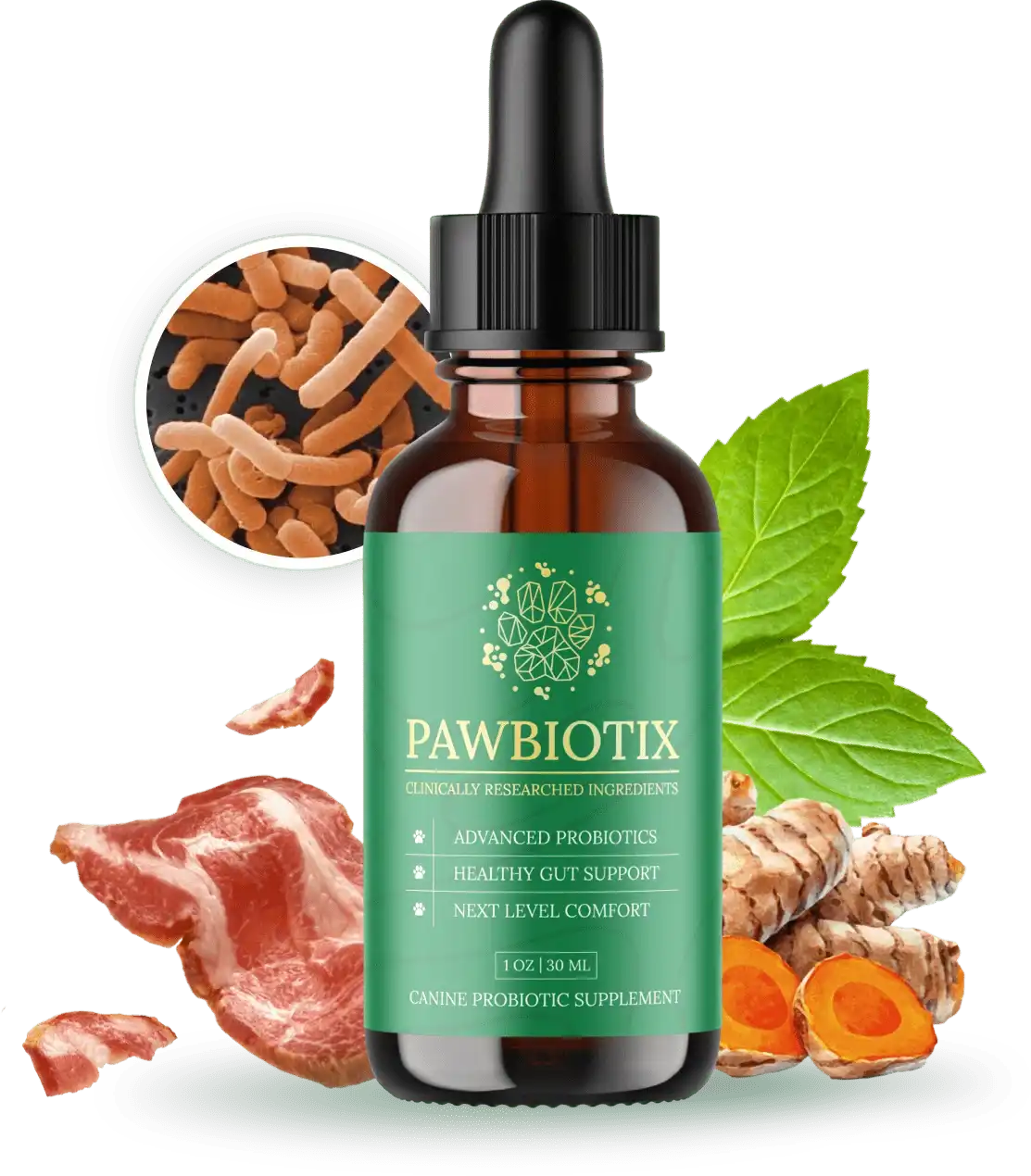
Finally, always prioritize **quality and transparency**. Choose brands that are transparent about their ingredients, manufacturing processes (e.g., GMP certified), and ideally, offer third-party testing for purity and potency. Avoid products with unnecessary fillers, artificial flavors, or preservatives. For example, a reputable option like PawBiotix focuses on natural ingredients and a powerful blend of beneficial bacteria, designed to meet these high standards.
When and How to Administer Probiotics to Your Dog
Timing and consistency are key when it comes to maximizing the benefits of probiotics for your dog, especially during and after antibiotic treatment.
Ideally, you can **start administering probiotics concurrently with antibiotics**, but with a crucial caveat: ensure there's a **gap of at least 2-4 hours** between giving the antibiotic and the probiotic. This separation helps prevent the antibiotic from immediately destroying the beneficial bacteria in the supplement, allowing them a chance to reach and colonize the gut. If concurrent administration isn't feasible or recommended by your vet, begin the probiotic regimen immediately after the antibiotic course is finished.
The duration of probiotic supplementation is also important. While your dog may show rapid improvement, it's generally recommended to **continue probiotics for at least 2-4 weeks after the antibiotic course** has ended. This extended period ensures a thorough repopulation and stabilization of the gut microbiome. For dogs prone to digestive issues or those with sensitive stomachs, long-term or ongoing probiotic support might be beneficial to maintain optimal gut health and prevent future imbalances. Always consult your veterinarian for personalized advice on dosage and duration.
Probiotics come in various forms – powders, chews, or capsules. Choose a form that is easy for you to administer and palatable for your dog. Powders can often be mixed directly into food, while chews can be given as a treat. Consistency is paramount; administer the probiotic daily as directed to achieve the best results. Remember, a healthy gut is a journey, not a destination, and consistent support can lead to profound improvements in your dog's overall vitality. For more tips on supporting your pet's overall health, read our article on How to Improve Pet Health Naturally.
Beyond Probiotics: Holistic Support for Your Dog's Recovery
While probiotics are incredibly beneficial, a holistic approach to your dog's post-antibiotic recovery involves considering other aspects of their diet and lifestyle. Supporting their gut health is a multi-pronged effort.
Nutrient-Rich Diet
Feed your dog a high-quality, easily digestible diet. Whole foods, lean proteins, and complex carbohydrates can provide the necessary nutrients without putting extra strain on a recovering digestive system. Avoid highly processed foods, artificial ingredients, and excessive fats, which can exacerbate gut issues. Learn more about choosing the right food in our article How to Choose the Right Dog Food for Digestion.
Adequate Hydration
Ensure your dog has constant access to fresh, clean water. Proper hydration is essential for all bodily functions, including digestion and waste elimination, which can be particularly important when dealing with post-antibiotic digestive upset like diarrhea.
Gentle Exercise & Rest
Moderate exercise can stimulate healthy digestion and reduce stress, but avoid overexertion, especially if your dog is still recovering. Plenty of rest is also crucial for their body to heal and rebuild its systems.
Stress Reduction
Stress can negatively impact gut health. Provide a calm, consistent environment for your dog. Minimize changes to their routine and offer plenty of comfort and reassurance during their recovery period.
By combining targeted probiotic supplementation with these holistic practices, you create an optimal environment for your dog's gut to heal and flourish. This comprehensive approach not only aids in immediate recovery but also lays the foundation for long-term health and vitality.
Long-Term Benefits of a Healthy Gut in Dogs
The investment in your dog's gut health, particularly after the challenge of antibiotics, yields rewards that extend far beyond immediate recovery. A balanced and robust gut microbiome contributes significantly to their overall well-being and longevity.
Dogs with healthy guts often exhibit **improved coat quality and skin health**. Digestive issues can often manifest externally through dull fur, excessive shedding, or skin irritations. By addressing the root cause in the gut, you can expect a shinier coat and healthier skin, reducing issues like itchiness and dryness.
Beyond the physical, a balanced gut contributes to **better energy levels and vitality**. When nutrients are properly absorbed, and inflammation is kept in check, your dog will naturally have more energy for play, walks, and daily activities, showing a zest for life that might have been diminished by gut problems.
Furthermore, a strong gut microbiome is a cornerstone of a **resilient immune system**. This means your dog will be better equipped to fend off common illnesses, recover faster from minor ailments, and potentially experience fewer allergic reactions. This heightened resistance can lead to fewer vet visits and a happier, healthier life.
Finally, the **gut-brain axis** means that a healthy gut can positively influence your dog's **mood and behavior**. Research increasingly shows a link between gut health and conditions like anxiety or aggression. By fostering a balanced gut, you might notice a calmer, more content, and overall happier companion. Investing in your dog's gut health is truly an investment in their entire being, ensuring they live their best, healthiest life possible.
Supporting Gut Health: Key Ingredients to Look For
When selecting a probiotic supplement, understanding the ingredients can help you make an informed choice. High-quality supplements, like PawBiotix, often combine potent probiotic strains with synergistic natural ingredients to maximize benefits.
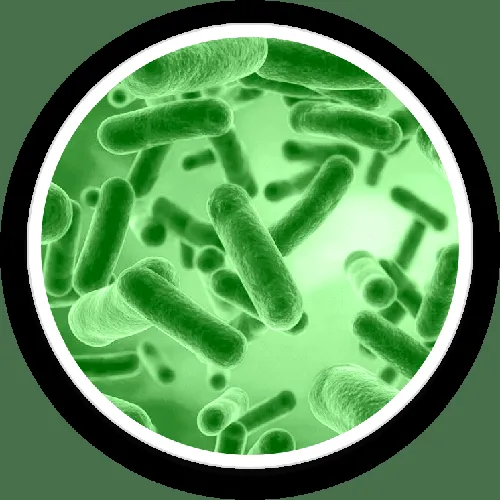
Bacillus Coagulans
Role: A highly stable, spore-forming probiotic strain known for its ability to survive stomach acid and reach the intestines intact. It supports digestive health, immune function, and helps reduce inflammation.
Typical Dose: 1-2 Billion CFUs
Chlorella Powder
Role: A nutrient-dense green algae that acts as a powerful detoxifier. It helps bind to heavy metals and toxins, supporting the body's natural cleansing processes and promoting overall vitality.
Typical Dose: 50-200 mg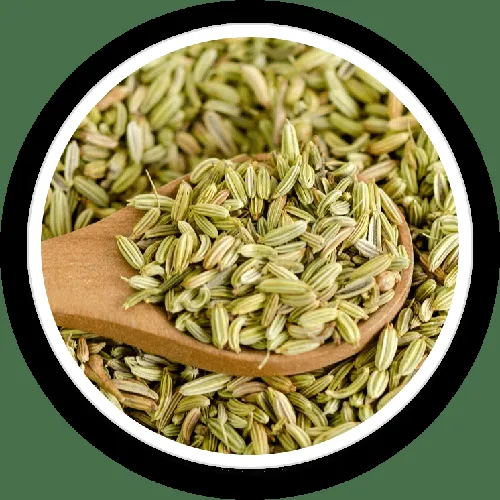
Fennel Seed Powder
Role: Known for its carminative properties, fennel helps soothe digestive discomfort, reduce gas, and alleviate bloating. It can also aid in appetite stimulation and freshen breath.
Typical Dose: 25-100 mg
Organic Kelp Powder
Role: A rich source of essential minerals, especially iodine, which supports thyroid function and metabolism. It also provides prebiotics that nourish beneficial gut bacteria and helps maintain healthy skin and coat.
Typical Dose: 50-150 mg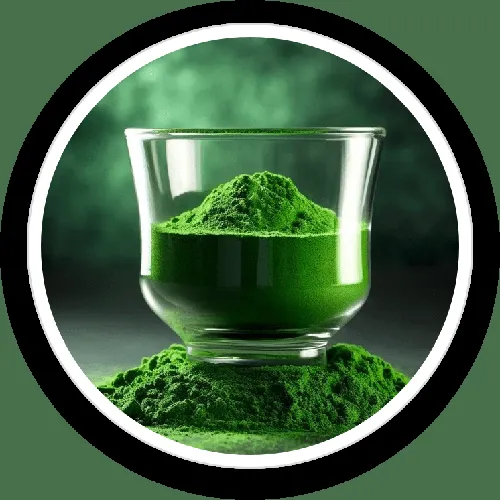
Sodium Copper Chlorophyllin
Role: A water-soluble derivative of chlorophyll, known for its powerful antioxidant properties and ability to neutralize odors from within. It supports detoxification, promotes healthy blood, and acts as an internal deodorizer.
Typical Dose: 10-50 mg
Turmeric Root Extract
Role: Contains curcumin, a potent anti-inflammatory compound. It supports digestive health by reducing gut inflammation, aids in liver detoxification, and provides antioxidant benefits for overall cellular health.
Typical Dose: 50-200 mg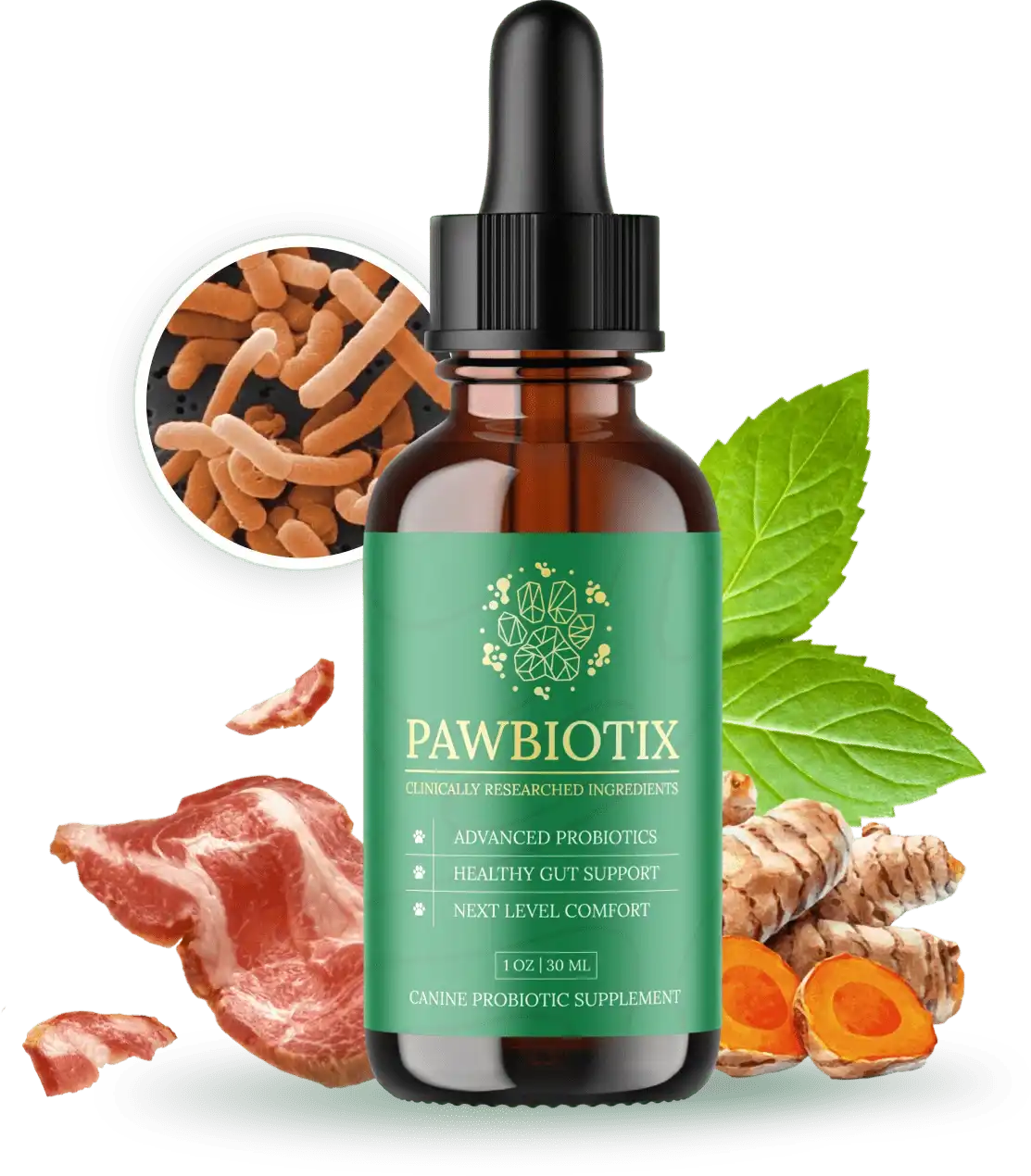
Give Your Dog The Gift of a Healthy Gut!
After antibiotics, your dog's gut needs special care. PawBiotix is a veterinarian-formulated probiotic blend designed to rapidly restore your dog's digestive health and bolster their immune system. Made with a powerful combination of beneficial bacteria and natural ingredients, it's the easy and effective way to help your dog bounce back stronger.
- Supports healthy gut flora balance
- Boosts natural immune response
- Aids in optimal nutrient absorption
- Reduces common antibiotic side effects
- Delicious, easy-to-administer powder




What Pet Parents Are Saying About PawBiotix
"My Golden Retriever, Buddy, always got terrible diarrhea after antibiotics. This time, with PawBiotix, there was almost no upset! His stools were solid, and he had his energy back so much faster. I'm truly amazed."
"After a long course of antibiotics for a skin infection, my senior dog, Daisy, was lethargic and had no appetite. I started her on PawBiotix, and within days, she was eating again and had more pep in her step. It's been a game-changer for her recovery."
"I was worried about giving my small terrier antibiotics, knowing how sensitive her stomach is. My vet recommended a probiotic, and I chose PawBiotix. She tolerated the antibiotics much better, and her digestion stayed regular. Highly recommend!"
Frequently Asked Questions
Why are probiotics essential after my dog takes antibiotics?
+Antibiotics are vital for treating bacterial infections, but they don't differentiate between harmful and beneficial bacteria. This means they often wipe out the good bacteria in your dog's gut, leading to an imbalance in the gut microbiome. This imbalance can cause digestive upset, diarrhea, reduced nutrient absorption, and a weakened immune system. Probiotics help to replenish these beneficial bacteria, restore gut flora balance, and support overall digestive and immune health, accelerating recovery.
Can I give my dog probiotics at the same time as antibiotics?
+Yes, you can, and in many cases, it's recommended. However, it's crucial to administer the probiotic at least 2-4 hours apart from the antibiotic dose. This separation helps ensure the antibiotic doesn't immediately kill the beneficial bacteria in the probiotic supplement, allowing them a chance to colonize the gut. Always consult your veterinarian for specific guidance tailored to your dog's health condition and the antibiotic prescribed.
How long should my dog take probiotics after antibiotics?
+The duration can vary depending on your dog's individual needs and the severity of the gut disruption. Generally, it's recommended to continue probiotic supplementation for at least 2-4 weeks after the antibiotic course is completed. For dogs with chronic digestive issues or sensitive stomachs, continuous, long-term probiotic use might be beneficial to maintain optimal gut health. Discuss the best plan with your veterinarian.
What signs indicate my dog needs a probiotic after antibiotics?
+Common signs that your dog's gut health might be compromised after antibiotics include diarrhea, soft stools, vomiting, loss of appetite, lethargy, gas, bloating, or a dull coat. These symptoms suggest an imbalance in their gut microbiome. Even without overt symptoms, a probiotic can be beneficial as a preventative measure to support their digestive and immune systems during and after antibiotic treatment.
Are all dog probiotics the same?
+No, not all dog probiotics are created equal. Key factors to consider include the number of live Colony Forming Units (CFUs), the diversity and type of bacterial strains (e.g., Bacillus coagulans, Lactobacillus, Bifidobacterium), the presence of prebiotics, and the quality of ingredients. Look for products specifically formulated for dogs, with transparent labeling and ideally, third-party testing for potency and purity. PawBiotix, for example, is formulated with a veterinarian-backed blend of beneficial strains and natural ingredients.
Is PawBiotix suitable for all dog breeds and ages?
+PawBiotix is formulated to be a safe and effective supplement for dogs of all breeds and ages, from puppies to seniors. Its natural, gentle ingredients are designed to support a wide range of canine digestive systems. However, as with any supplement, if your dog has specific health conditions, is pregnant, or is on other medications, it's always best to consult your veterinarian before introducing PawBiotix to their routine to ensure it's the right choice for them.
Related Articles