Is Your Dog's Immune System as Strong as it Could Be?
Just like humans, a dog's immune system is their primary defense against illness, infections, and environmental stressors. When their immunity is compromised, they become more susceptible to a range of health issues, from recurring allergies and skin problems to more serious digestive disorders and chronic conditions. Ensuring your canine companion has a robust immune system is fundamental to their overall well-being and longevity.
Many factors can influence a dog's immune strength, including diet, stress levels, genetics, and exposure to toxins. However, a significant portion of their immune function, up to 70-80%, resides within their gut. This means that maintaining optimal digestive health is not just about comfortable digestion; it's a cornerstone of their entire immune defense strategy, directly impacting their ability to fight off disease and thrive.
Understanding Your Dog's Immune System: The Front Line of Defense
Your dog's immune system is a complex network of cells, tissues, and organs working together to protect them from harmful invaders like bacteria, viruses, fungi, and parasites. It's constantly on alert, distinguishing between healthy cells and potential threats.
At its core, the immune system has two main branches: the innate immune system and the adaptive immune system. The innate system provides immediate, non-specific defense, acting as the first line of protection (think skin, mucous membranes, and natural killer cells). The adaptive system, on the other hand, is highly specific and remembers past invaders, allowing for a more targeted and efficient response upon re-exposure (antibodies, T-cells). Both are crucial for comprehensive protection.
A healthy immune system is vital for your dog's overall vitality. It helps them recover from injuries, fights off everyday pathogens, and even plays a role in preventing serious chronic diseases. When this intricate system is compromised, dogs become more vulnerable, leading to a cascade of health problems that can significantly diminish their quality of life. Understanding how it works is the first step in supporting it effectively.
💡 Key Takeaway
A dog's immune system is a sophisticated defense network comprising innate and adaptive branches. Its strength is paramount for protecting against infections, promoting recovery, and maintaining overall health, with a significant portion residing in the gut.
Signs of a Weakened Immune System in Dogs
Recognizing the subtle (and not-so-subtle) signs that your dog's immune system might be struggling is crucial for early intervention. Often, these symptoms can be mistaken for other issues, but when seen together, they paint a clearer picture of compromised immunity.
One of the most common indicators is frequent or recurring infections. This might manifest as chronic ear infections, skin infections (pyoderma), urinary tract infections, or persistent respiratory issues. A healthy immune system typically fends off these common pathogens, so their frequent return suggests a deeper vulnerability. Another tell-tale sign is persistent digestive upset. This includes chronic diarrhea, vomiting, excessive gas, or irregular bowel movements. Since a vast majority of the immune system resides in the gut, digestive problems are often a direct reflection of immune imbalance.
Other symptoms can include:
- Allergies and Skin Problems: Excessive itching, hot spots, dry flaky skin, or constant licking can indicate an overactive or misdirected immune response.
- Lethargy and Low Energy: A dog with a struggling immune system often lacks vitality, appearing unusually tired or uninterested in activities they once enjoyed.
- Poor Coat Quality: A dull, brittle coat that sheds excessively, or areas of hair loss, can signal internal health issues, including immune deficiencies.
- Slow Wound Healing: If cuts, scrapes, or surgical incisions take an unusually long time to heal, it suggests the immune system isn't effectively repairing tissue and fighting off potential infection.
- Weight Loss or Poor Appetite: Unexplained weight loss or a sudden disinterest in food can be a serious sign of underlying health problems, including immune-related conditions.
The Gut-Immune Connection: Why It Matters So Much
The relationship between your dog's gut health and their immune system is profound and undeniable. It's not an exaggeration to say that a healthy gut is synonymous with a healthy immune system. This intricate connection is primarily due to the gut microbiome and the gut barrier.
The Microbiome's Role
Your dog's gut is home to trillions of microorganisms, collectively known as the microbiome. This diverse community of bacteria, fungi, and viruses plays a critical role in digestion, nutrient absorption, and the production of essential vitamins. More importantly, it acts as a crucial regulator of the immune system. A balanced microbiome, rich in beneficial bacteria, communicates with immune cells, teaching them to distinguish between harmless substances and dangerous pathogens, thereby preventing autoimmune reactions and chronic inflammation.
The Gut Barrier
Lining the intestinal tract is a delicate single layer of cells that forms the gut barrier. This barrier acts like a sophisticated filter, allowing nutrients to pass into the bloodstream while preventing harmful toxins, undigested food particles, and pathogens from escaping the gut and entering the body. When this barrier is compromised, often referred to as "leaky gut" or increased intestinal permeability, these unwanted substances can leak into the bloodstream, triggering a systemic immune response and inflammation throughout the body. This can lead to allergies, skin issues, and even more severe chronic diseases.
Immune Cell Hub
Remarkably, approximately 70-80% of a dog's immune cells reside in the gut-associated lymphoid tissue (GALT). This makes the gut the largest immune organ in the body. The constant interaction between the gut microbiome, the gut barrier, and these immune cells means that anything affecting gut health will directly impact the strength and responsiveness of the entire immune system. Supporting a healthy gut is, therefore, one of the most effective ways to boost your dog's natural defenses.
Natural Strategies to Boost Your Dog's Immunity
Empowering your dog's immune system doesn't always require drastic measures. Many natural, holistic approaches can significantly strengthen their defenses, starting with fundamental aspects of their daily life. Integrating these strategies can lead to a healthier, happier, and more resilient canine companion.
Here are several key areas where you can make a positive impact:
1. Optimize Their Nutrition with Whole Foods
Diet is the cornerstone of health, and a nutrient-dense diet is paramount for a strong immune system. Avoid highly processed kibble loaded with fillers, artificial preservatives, and by-products. Instead, focus on providing a balanced diet rich in whole, natural ingredients.
High-Quality Protein
Dogs thrive on animal protein. Opt for lean meats like chicken, turkey, beef, and fish (salmon, sardines) as primary ingredients. Protein provides essential amino acids necessary for building and repairing tissues, including immune cells and antibodies.
Fresh Fruits and Vegetables
These are packed with vitamins, minerals, and antioxidants that combat oxidative stress and inflammation, both of which can weaken immunity. Include dog-safe options like blueberries, carrots, broccoli, spinach, and sweet potatoes. These also provide natural fiber for gut health.
Healthy Fats
Omega-3 fatty acids, found in fish oil, flaxseed, and certain meats, are powerful anti-inflammatory agents that support immune function and skin health. Ensure your dog receives adequate amounts of these beneficial fats in their diet. For a deeper dive into how specific nutrients impact gut health, explore our article on The Best Foods for Your Dog's Gut Health.
Probiotics and Prebiotics
These are vital for maintaining a healthy gut microbiome, which, as we've discussed, is directly linked to immune strength. Probiotics introduce beneficial bacteria, while prebiotics (fiber) feed these good bacteria. Fermented foods like plain kefir or yogurt can be good sources, or consider a high-quality supplement.
2. Ensure Regular Exercise and Mental Stimulation
Physical activity and mental engagement are not just for burning energy; they are critical for a robust immune system and overall well-being. A sedentary lifestyle can lead to obesity, chronic inflammation, and a sluggish immune response.
Regular exercise, tailored to your dog's breed, age, and health, boosts circulation, which helps immune cells travel efficiently throughout the body. It also reduces stress, improves digestion, and helps maintain a healthy weight. Aim for daily walks, playtime in the park, or engaging in dog sports like agility. Variety is key to keeping them interested and physically challenged.
Equally important is mental stimulation. Boredom and lack of enrichment can lead to stress and behavioral issues, which in turn can suppress the immune system. Incorporate puzzle toys, training sessions, scent work, or rotating new toys to keep their minds active. A mentally stimulated dog is generally a happier, less stressed, and therefore healthier dog.
3. Minimize Stress and Provide a Stable Environment
Stress, whether acute or chronic, can have a profound negative impact on your dog's immune system. When a dog is stressed, their body releases cortisol, a hormone that, in prolonged high levels, can suppress immune function, making them more susceptible to illness.
Identify Stressors
Common stressors for dogs include separation anxiety, loud noises (thunder, fireworks), changes in routine, new pets or people, lack of exercise, or even subtle changes in their environment. Observe your dog's behavior for signs of stress, such as excessive panting, pacing, destructive behavior, or withdrawal.
Create a Safe Haven
Ensure your dog has a quiet, comfortable space where they can retreat and feel secure. This might be a crate, a specific bed, or a room away from household commotion. Consistency in routine, feeding times, and walks can also significantly reduce anxiety and provide a sense of predictability.
Positive Reinforcement
Use positive reinforcement training to build confidence and strengthen your bond. Avoid punishment-based methods, which can increase fear and stress. Providing plenty of affection, playtime, and reassurance helps foster emotional well-being, directly supporting a healthy immune system.
4. Reduce Exposure to Environmental Toxins
Our modern world exposes pets to a myriad of chemicals and toxins, both indoors and outdoors. These can place a significant burden on your dog's immune system, which has to work harder to detoxify the body and fight off inflammation.
Consider the products you use in your home:
- Household Cleaners: Many conventional cleaning products contain harsh chemicals that can be inhaled or absorbed through your dog's paws. Switch to natural, pet-safe cleaners or simple vinegar and baking soda solutions.
- Pesticides and Herbicides: Be mindful of lawn care products used in your yard or in public parks. Dogs can ingest these chemicals when grooming themselves after walking through treated areas. Opt for organic lawn care or rinse paws after walks.
- Air Quality: Indoor air can be more polluted than outdoor air. Use air purifiers, open windows for ventilation, and avoid smoking indoors or using synthetic air fresheners.
- Flea and Tick Preventatives: While essential, some chemical treatments can be harsh. Discuss with your vet about potentially less toxic options or natural alternatives that might be suitable for your dog's specific needs.
5. Integrate Targeted Natural Supplements for Immune Support
Even with the best diet and lifestyle, some dogs may benefit from targeted supplementation to ensure their immune system is functioning at its peak. This is particularly true for dogs with existing digestive issues, allergies, or those prone to frequent infections. Supplements can fill nutritional gaps and provide concentrated doses of immune-boosting compounds.
Probiotics and Prebiotics
As highlighted, a healthy gut microbiome is non-negotiable for a strong immune system. A high-quality probiotic supplement can introduce beneficial bacteria, while prebiotics (like FOS or inulin) nourish these good bacteria, helping them flourish. This duo can significantly improve digestion and immune response. If your dog is already experiencing digestive issues, understanding the role of probiotics can be crucial. Read more in Canine Gut Health: The Power of Probiotics.
Omega-3 Fatty Acids
EPA and DHA, found in fish oil, are powerful anti-inflammatory agents. Chronic inflammation can suppress the immune system, so reducing it helps immune cells function more effectively. Omega-3s also support skin and coat health, which are part of the innate immune barrier.
Antioxidants (Vitamins C & E)
These vitamins protect cells from damage caused by free radicals, which are byproducts of metabolism and environmental toxins. By reducing oxidative stress, antioxidants help maintain the integrity of immune cells and support their function.
Immune-Modulating Herbs & Mushrooms
Certain natural ingredients like medicinal mushrooms (Reishi, Turkey Tail), astragalus, or turmeric have immunomodulatory properties, meaning they can help balance and strengthen the immune response. These can be particularly beneficial for dogs needing an extra immune boost. Beyond diet, many holistic approaches contribute to your dog's well-being. Discover more natural remedies in our guide to Natural Pet Health: Relief and Remedies.
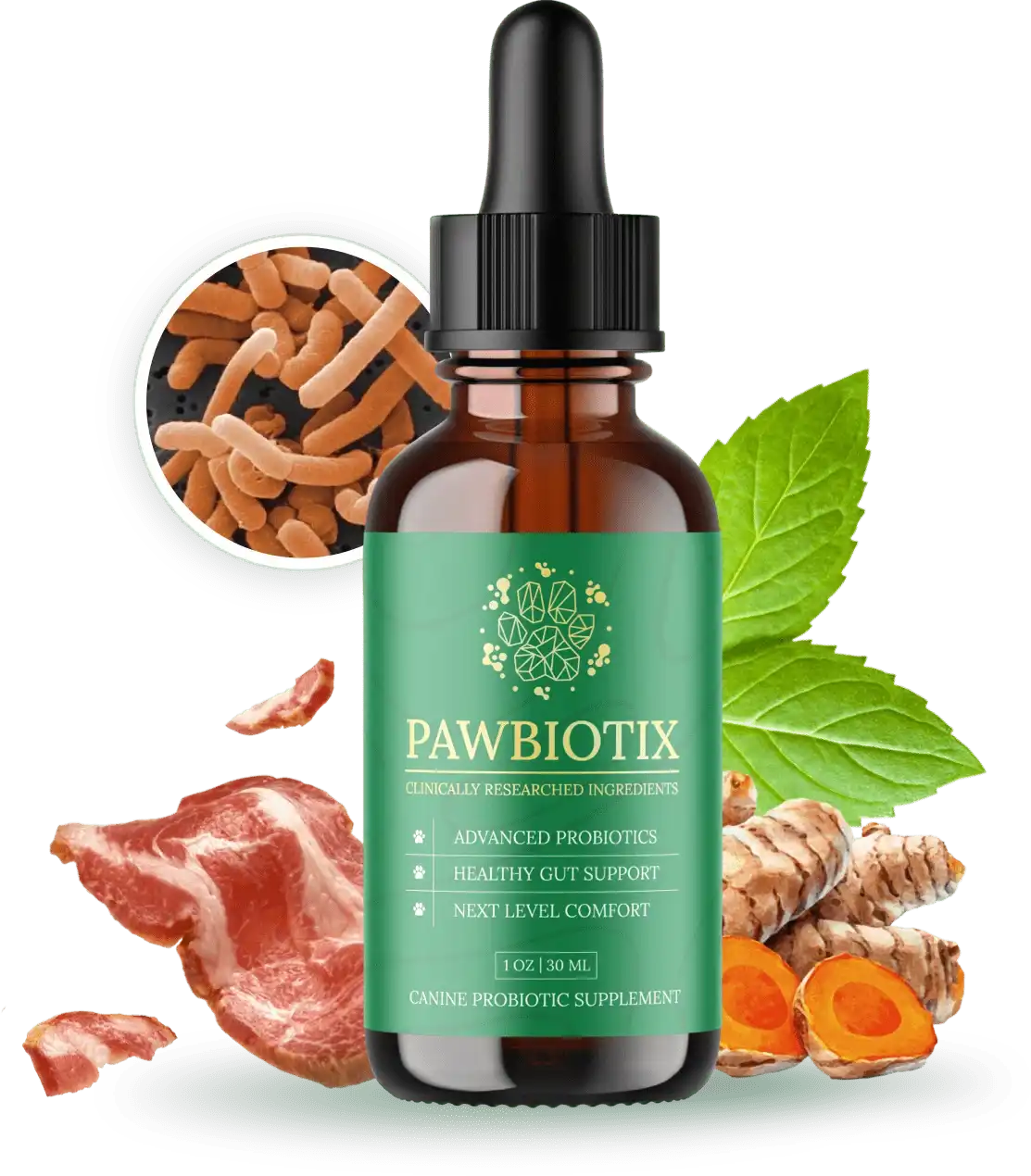
Introducing PawBiotix: A Natural Aid for Canine Immunity and Digestion
While many natural strategies can support your dog's immune system, sometimes a targeted supplement can provide the concentrated support they need, especially when dealing with existing digestive issues or a compromised immune response. PawBiotix is designed as a comprehensive, natural solution to help fortify your dog's gut health and, by extension, their overall immunity.
PawBiotix recognizes the critical link between a healthy gut and a strong immune system. It combines a synergistic blend of carefully selected ingredients, each chosen for its proven benefits in supporting digestive balance, reducing inflammation, and enhancing the body's natural defenses. The formula is crafted to be gentle yet effective, making it suitable for dogs experiencing a range of issues from occasional digestive upset to more persistent immune challenges.
By focusing on foundational health, PawBiotix aims to not just alleviate symptoms but to address the root causes of canine digestive and immune problems. It's a convenient way to ensure your dog receives a consistent intake of beneficial compounds that might be lacking in their regular diet, providing a proactive step towards long-term health and vitality.
Key Ingredients in PawBiotix for Immune and Digestive Support
PawBiotix leverages the power of nature with a blend of ingredients known for their profound impact on canine health. Each component plays a vital role in supporting digestion, boosting immunity, and promoting overall well-being.

Bacillus Coagulans
Role: A highly stable, spore-forming probiotic that survives stomach acid to reach the intestines, where it supports a healthy gut microbiome. It helps balance gut flora, improve digestion, and produce beneficial compounds that modulate the immune system.
5-10 Billion CFU
Chlorella Powder
Role: A nutrient-rich freshwater algae known for its detoxifying properties. It helps bind to heavy metals and toxins, supporting the body's natural cleansing processes. Chlorella is also packed with antioxidants and immune-boosting vitamins and minerals, helping to strengthen cellular defenses.
100-200 mg
Fennel Seed Powder
Role: Traditionally used to soothe digestive upset, fennel helps reduce gas, bloating, and discomfort. Its anti-inflammatory properties can calm the gut lining, fostering a healthier environment for beneficial bacteria and reducing immune system stress caused by digestive irritation.
50-150 mg
Organic Kelp Powder
Role: A powerhouse of essential vitamins, minerals (especially iodine), and trace elements. Kelp supports thyroid function, which is crucial for metabolism and energy. Its rich nutrient profile also contributes to overall cellular health and immune system robustness.
50-100 mg
Sodium Copper Chlorophyllin
Role: A water-soluble derivative of chlorophyll, known for its natural deodorizing and antioxidant properties. It aids in detoxification, helps neutralize free radicals, and supports healthy blood cell production, contributing to overall vitality and immune resilience.
10-25 mg
Turmeric Root Extract
Role: Contains curcumin, a potent anti-inflammatory and antioxidant compound. Turmeric helps reduce systemic inflammation, which can otherwise suppress immune function. It supports joint health, digestive comfort, and modulates immune responses, making it a valuable immune booster.
50-100 mg (standardized)
Give Your Dog The Gift of Robust Health with PawBiotix
Your dog deserves to live a life full of energy, comfort, and vitality. PawBiotix offers a simple, effective, and natural way to support their immune system and digestive health, addressing the core issues that often lead to discomfort and illness. With a carefully formulated blend of probiotics, superfoods, and natural extracts, it's designed to bring balance and strength from within.
- ✓ Supports a healthy gut microbiome
- ✓ Boosts natural immune defenses
- ✓ Aids in healthy digestion and nutrient absorption
- ✓ Reduces inflammation and discomfort
- ✓ All-natural, safe, and easy to administer




What Happy Pet Parents Are Saying About PawBiotix
"My beagle used to have constant tummy troubles and skin issues. After a month on PawBiotix, his digestion is so much better, and his itching has drastically reduced. He's got his energy back!"
"I was skeptical, but my senior lab's chronic ear infections are finally under control. The vet even commented on how much healthier his immune system seems. PawBiotix made a real difference."
"My picky eater loves the bacon flavor! It's so easy to add to her food, and I've noticed she's less bloated and has more consistent bowel movements. Highly recommend for gut health!"
Frequently Asked Questions
What are the most common signs of a weak immune system in dogs?
+Common signs include frequent infections (ear, skin, urinary), recurring digestive upset (diarrhea, vomiting), allergies, lethargy, poor coat quality, and slow wound healing. If you notice these symptoms, consult your vet.
How does a dog's diet impact their immune system?
+Diet is foundational. A balanced diet rich in whole, natural ingredients provides essential vitamins, minerals, and antioxidants that fuel immune cells. Conversely, processed foods with artificial additives can lead to inflammation and weaken the gut barrier, compromising immunity.
Can stress really affect my dog's immunity?
+Absolutely. Chronic stress elevates cortisol levels, which can suppress the immune system over time. Stress can come from changes in routine, separation anxiety, loud noises, or lack of exercise. Providing a stable, enriched environment is key.
What role do probiotics play in canine immune health?
+Probiotics introduce beneficial bacteria to the gut, balancing the microbiome. A healthy gut microbiome is crucial because 70-80% of a dog's immune system resides there. Probiotics help strengthen the gut barrier, produce immune-regulating compounds, and reduce inflammation.
Are there any natural supplements that can help boost my dog's immune system?
+Yes, several natural supplements can support immunity. Probiotics, prebiotics, omega-3 fatty acids, antioxidants like vitamins C and E, medicinal mushrooms, and certain herbs (like turmeric or astragalus) are commonly used. Always consult your vet before adding new supplements.
How long does it take to see improvements in my dog's immune health after making changes?
+The timeline varies depending on the dog's initial health, the severity of issues, and the consistency of interventions. While some dogs may show improvements in digestion or energy within a few weeks, significant immune system strengthening can take several months. Consistency is key for lasting results.
Related Articles