Are Fermented Foods the Secret to Your Dog's Optimal Health?
As pet parents, we're constantly seeking ways to enhance our furry friends' well-being. From premium kibble to specialized diets, the quest for optimal canine nutrition is ongoing. In recent years, fermented foods have emerged as a popular topic in human health, lauded for their probiotic benefits. But what about our dogs? Can these ancient, probiotic-rich foods offer similar advantages to our canine companions?
The answer, for many dogs, is a resounding yes! Incorporating certain fermented foods into your dog's diet can be a game-changer for their digestive health and immune system, offering a natural boost to their overall vitality. However, like any dietary change, understanding the nuances of safety and proper introduction is paramount.
Understanding the Canine Gut: More Than Just Digestion
Before diving into fermented foods, it's crucial to grasp the profound role of your dog's gut health. It's not just about processing food; it's a complex ecosystem that dictates much of their overall health.
Your dog's gastrointestinal tract is home to trillions of microorganisms, collectively known as the **gut microbiome**. This intricate community of bacteria, fungi, and other microbes plays a pivotal role in digestion, nutrient absorption, and immune function. A balanced microbiome, rich in beneficial bacteria, is essential for a thriving dog, while an imbalance (dysbiosis) can lead to a cascade of health problems.
When the gut microbiome is out of whack, you might notice various symptoms. These can range from common issues like **diarrhea, constipation, and excessive gas** to more subtle signs such as **dull coat, skin irritations, bad breath, low energy, and even behavioral changes**. Chronic inflammation in the gut can also contribute to allergies, autoimmune conditions, and a weakened immune system, making your dog more susceptible to illness. The gut is often referred to as the "second brain" due to its extensive neural connections and its influence on mood and cognitive function, meaning a healthy gut can even contribute to a happier, calmer dog.
Many modern dog diets, particularly highly processed kibble, can inadvertently disrupt this delicate balance. Lack of diverse fiber, artificial ingredients, and even certain medications can diminish beneficial bacteria and allow harmful pathogens to flourish. This is where the concept of introducing probiotics – live beneficial microorganisms – becomes vital, and fermented foods are a natural source of these gut-friendly helpers.
💡 Key Takeaway
A healthy canine gut microbiome is fundamental, impacting not only digestion but also immune function, skin health, energy levels, and even mood. An imbalance can lead to a wide array of health issues, making gut support a priority for pet parents.
The Benefits of Fermented Foods for Your Dog
Introducing fermented foods can offer a spectrum of benefits, helping to rebalance and strengthen your dog's internal ecosystem.
Enhanced Digestion and Nutrient Absorption
Fermentation predigests food, making nutrients more bioavailable. The enzymes produced during fermentation assist your dog's digestive system in breaking down food more efficiently, leading to better absorption of essential vitamins, minerals, and amino acids. This can significantly reduce digestive upset like bloating and discomfort.
Strengthened Immune System
Approximately 70-80% of a dog's immune system resides in their gut. A healthy balance of gut bacteria helps train and strengthen the immune response, making your dog more resilient against pathogens and less prone to allergies and chronic inflammatory conditions. Probiotics help the gut lining remain strong, acting as a barrier against harmful substances.
Reduction in Digestive Issues
Dogs suffering from chronic **diarrhea, constipation, irritable bowel syndrome (IBS)**, or excessive gas can find considerable relief with the regular introduction of fermented foods. The beneficial bacteria help regulate bowel movements, reduce inflammation, and restore harmony to the digestive tract. This can be especially helpful for dogs with sensitive stomachs.
Improved Skin and Coat Health
Many skin problems, including dryness, itchiness, hot spots, and chronic infections, are often symptoms of underlying gut imbalances. By healing the gut from the inside out, fermented foods can lead to a noticeable improvement in skin condition and a shinier, healthier coat. A strong gut barrier prevents toxins from entering the bloodstream and manifesting as skin issues.
Natural Detoxification
A robust gut microbiome assists in the body's natural detoxification processes. Beneficial bacteria help neutralize toxins and eliminate waste products more efficiently, reducing the burden on the liver and kidneys. This contributes to overall vitality and can help prevent a buildup of harmful substances in the body.
Potential for Better Mood and Behavior
The gut-brain axis is a well-established connection. An unhealthy gut can contribute to anxiety, stress, and other behavioral issues in dogs. By fostering a healthy gut environment, fermented foods can indirectly support better neurological function and a calmer, happier disposition. This connection is an exciting area of ongoing research in veterinary medicine.
Are Fermented Foods Safe for Dogs? Key Considerations
While the benefits are compelling, it's vital to approach fermented foods for dogs with caution and knowledge.
The short answer is: **yes, many fermented foods can be safe and highly beneficial for dogs, but not all.** The key lies in selecting the right types and ensuring they are prepared appropriately. The primary concern revolves around ingredients that are safe for humans but toxic or harmful to dogs.
Common Pitfalls and What to Avoid:
- Xylitol: This artificial sweetener, often found in human yogurts and other processed foods, is highly toxic to dogs and can cause a rapid, life-threatening drop in blood sugar and liver failure. ALWAYS check labels for xylitol.
- Lactose Intolerance: While fermentation reduces lactose content, some dogs can still be sensitive to dairy. Start with small amounts and monitor for signs of upset.
- Excessive Salt and Spices: Many fermented vegetables like commercial sauerkraut contain high levels of salt, onions, garlic, or other spices that are detrimental to canine health. Plain, homemade, or specially formulated low-sodium versions are best.
- Alcohol Content: Some fermented products can contain trace amounts of alcohol. While typically very low, it's best to avoid anything with noticeable alcohol content.
- Grapes and Raisins: These are highly toxic to dogs and should never be present in any form of fermented food given to them.
- Sugar: Added sugars can feed harmful bacteria in the gut and lead to obesity and other health issues. Opt for unsweetened varieties.
Always introduce new foods gradually and in small quantities. Observe your dog closely for any adverse reactions such as gas, bloating, diarrhea, or vomiting. If any negative symptoms occur, discontinue use and consult your veterinarian.
💡 Key Takeaway
Fermented foods *can* be safe and beneficial, but strict adherence to dog-safe varieties (plain, unsweetened, no toxic ingredients like xylitol, onions, garlic) and gradual introduction is crucial to avoid adverse reactions.
Top Dog-Safe Fermented Foods to Consider
Plain Kefir
A fermented dairy drink, kefir is an excellent source of probiotics. Opt for plain, unsweetened, unflavored kefir made from cow's or goat's milk. Goat's milk kefir is often easier for dogs to digest due to smaller fat globules. Start with a teaspoon for small dogs, up to a tablespoon for larger breeds, mixed into food.
Plain, Unsweetened Yogurt
Similar to kefir, plain yogurt (without any artificial sweeteners, flavors, or fruit) provides beneficial probiotics. Ensure it contains live and active cultures. Greek yogurt can be a good option due to its higher protein content and often lower lactose. Again, small amounts are key to start.
Fermented Vegetables (e.g., Sauerkraut)
Homemade or organic, plain sauerkraut (fermented cabbage) can be a fantastic source of probiotics. It's crucial that it contains only cabbage, water, and salt – no added spices like caraway seeds, garlic, or onion. Always rinse commercial sauerkraut to reduce sodium. A very small pinch (1/4 tsp) is usually sufficient to start.
Fermented Pumpkin
Pumpkin is already great for digestion. Fermenting it enhances its probiotic content. You can ferment canned pumpkin puree (pure pumpkin, not pie filling) with a starter culture. This can be particularly soothing for dogs with sensitive stomachs or occasional loose stools. Ensure no added spices.
How to Introduce Fermented Foods Safely
Gradual introduction and careful monitoring are crucial for success when adding fermented foods to your dog's diet.
The golden rule for any dietary change, especially with potent probiotic sources, is to **start low and go slow**. Your dog's digestive system needs time to adjust to the influx of new bacteria and enzymes. Jumping in too quickly can lead to digestive upset, which defeats the purpose.
Step-by-Step Introduction Guide:
- Choose Wisely: Select one dog-safe fermented food (e.g., plain, unsweetened kefir or a tiny pinch of plain sauerkraut) to start with.
- Tiny Portions: Begin with an extremely small amount. For small dogs (under 20 lbs), this might be 1/4 teaspoon. For medium dogs (20-50 lbs), 1/2 teaspoon. For large dogs (over 50 lbs), 1 teaspoon.
- Mix with Food: Always mix the fermented food thoroughly into your dog's regular meal. This helps mask the taste and ensures it's consumed with other food, which can aid digestion.
- Observe and Monitor: For the first few days, diligently watch your dog for any signs of digestive upset. Look for changes in stool consistency (diarrhea or constipation), increased gas, vomiting, or lack of appetite. Some mild gas might be normal as the gut adjusts, but severe symptoms warrant stopping.
- Gradual Increase: If your dog tolerates the initial small amount well for 3-5 days, you can slowly increase the portion size. For example, add another 1/4 or 1/2 teaspoon every few days until you reach a recommended daily amount.
- Recommended Daily Amounts (General Guidelines):
- Small dogs (under 20 lbs): 1/2 to 1 teaspoon
- Medium dogs (20-50 lbs): 1 to 2 teaspoons
- Large dogs (over 50 lbs): 1 tablespoon
- Consistency is Key: For best results, incorporate fermented foods into your dog's diet consistently. It's not a one-time fix but a long-term strategy for gut health.
Remember, every dog is unique. What works wonderfully for one might not be ideal for another. Always prioritize your dog's comfort and well-being. If you have concerns, especially if your dog has existing health conditions or is on medication, consult with your veterinarian before introducing new foods.
For dogs experiencing persistent digestive issues, simply adding fermented foods might not be enough. In such cases, a more targeted approach, potentially involving specific probiotic supplements, might be necessary. You can learn more about identifying and addressing common digestive problems in our article on Dog Diarrhea: Causes and Remedies.
Beyond Fermented Foods: The Power of Targeted Probiotic Supplements
While fermented foods offer valuable probiotic support, sometimes a more concentrated, scientifically formulated approach is needed, especially for dogs with chronic or severe digestive and immune challenges.
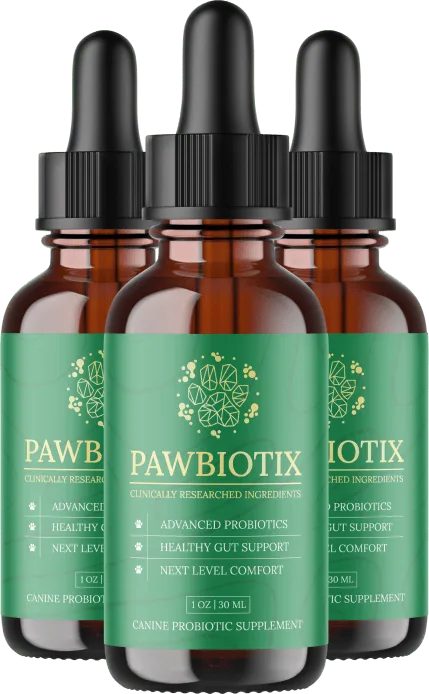
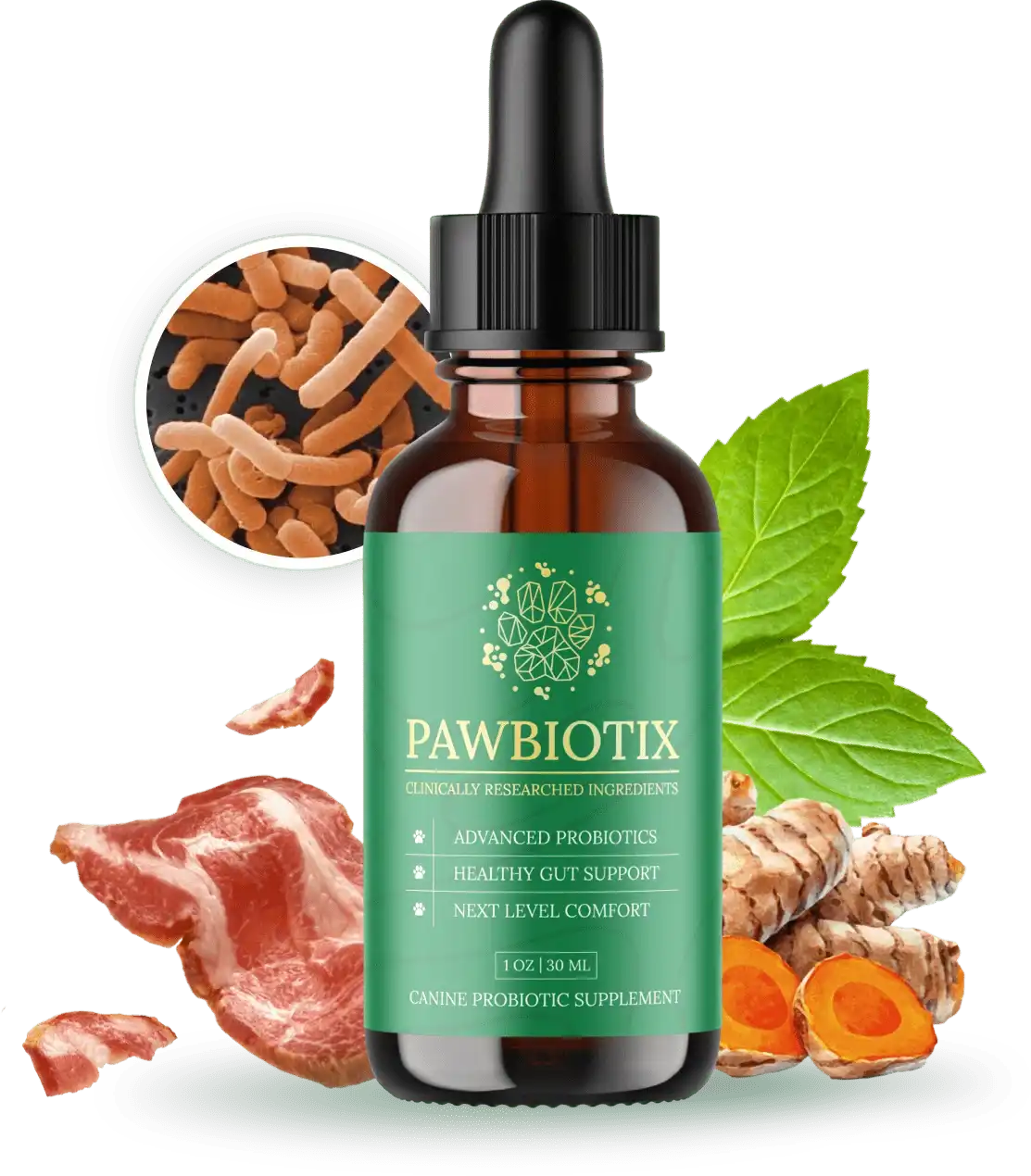
Fermented foods are a great natural source of diverse beneficial bacteria, but their probiotic content can vary widely and may not always contain the specific strains proven to address particular canine health issues. For dogs struggling with significant **Canine Digestive Issues and Immune Problems**, or for pet parents seeking consistent, potent support, a dedicated probiotic supplement can be a more effective solution. This is where products like PawBiotix come into play.
Why Consider a Targeted Supplement?
- Specific Strains: Supplements can deliver specific, well-researched probiotic strains (like Bacillus coagulans) that have demonstrated efficacy in dogs for digestive and immune support.
- Guaranteed Potency: High-quality supplements guarantee the number of live cultures (CFUs) per dose, ensuring your dog receives a consistent and effective amount. Fermented foods' CFU count can fluctuate.
- Convenience and Consistency: A supplement provides a precise dose without the variability or preparation concerns of fermented foods.
- Additional Synergistic Ingredients: Many supplements combine probiotics with prebiotics (food for probiotics) and other beneficial ingredients that support gut health, inflammation, and overall well-being.
PawBiotix is designed to offer comprehensive gut and immune support, utilizing a blend of potent probiotics and natural ingredients tailored for canine health. It's formulated to help restore microbial balance, soothe digestive upset, and bolster the immune system from within.
Key Ingredients in PawBiotix for Optimal Canine Health
Bacillus Coagulans
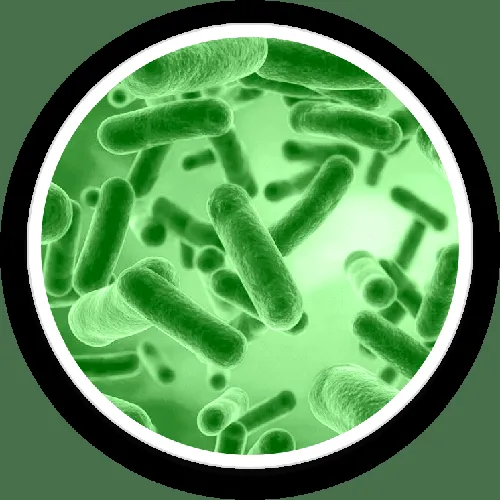
Role: A highly stable, spore-forming probiotic strain known for surviving stomach acid to reach the intestines, where it supports a healthy gut microbiome, aids digestion, and strengthens immune function. It helps reduce inflammation and improves nutrient absorption.
5-10 Billion CFUs
Organic Kelp Powder
Role: A rich source of essential minerals, vitamins, and prebiotics. Kelp supports thyroid health, which is crucial for metabolism and energy. As a prebiotic, it feeds beneficial gut bacteria, promoting a diverse and robust microbiome. It also aids in detoxification and coat health.
100-200 mg
Chlorella Powder
Role: A powerful superfood algae known for its detoxification properties, helping to bind and remove heavy metals and toxins from the body. It's rich in chlorophyll, vitamins, and minerals, supporting cellular health, energy, and immune function. Its fibrous content also aids digestion.
50-150 mg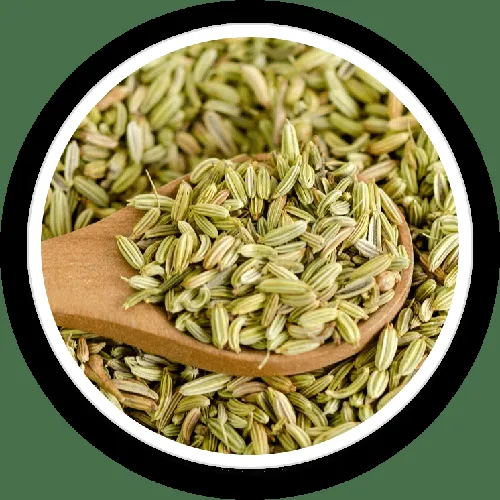
Fennel Seed Powder
Role: Traditionally used to soothe digestive upset, reduce gas, and alleviate bloating. Fennel has anti-inflammatory properties that can calm the gastrointestinal tract, making it beneficial for dogs with sensitive stomachs or occasional indigestion. It also helps freshen breath.
50-100 mg
Sodium Copper Chlorophyllin
Role: A water-soluble derivative of chlorophyll, known for its natural deodorizing properties, helping to combat bad breath and body odor from the inside out. It also supports detoxification processes and promotes overall cellular health and vitality, contributing to a clean internal environment.
20-50 mg
Turmeric Root Extract
Role: Contains curcumin, a potent anti-inflammatory and antioxidant compound. Turmeric supports digestive comfort, reduces systemic inflammation, and contributes to overall joint health and immune modulation. It can be particularly beneficial for dogs experiencing chronic inflammation or discomfort.
50-100 mg (standardized)By combining these powerful ingredients, PawBiotix aims to provide a holistic approach to canine gut health, addressing not only the microbial balance but also supporting detoxification, reducing inflammation, and enhancing overall vitality. This targeted formulation can be a crucial step for dogs needing more than just dietary fermented foods.
When to Consider PawBiotix: Signs Your Dog Needs Probiotic Support
Recognizing the subtle and overt signs of digestive imbalance is the first step towards providing your dog with the support they need.
While fermented foods can be a great addition to a healthy dog's diet, some dogs require more targeted and potent probiotic intervention. If your dog exhibits any of the following signs, it might be time to consider a specialized supplement like PawBiotix:
- Chronic Digestive Upset: Frequent bouts of diarrhea, constipation, vomiting, or excessive gas that don't resolve with simple dietary changes.
- Allergies and Skin Issues: Persistent itching, hot spots, dry flaky skin, ear infections, or paw licking, which are often linked to an imbalanced gut microbiome. For more information, read our article on Dog Skin Problems and Gut Health.
- Weakened Immune System: Frequent illnesses, infections, or slow recovery from sickness, indicating a compromised immune response.
- After Antibiotic Use: Antibiotics, while necessary, can wipe out beneficial gut bacteria along with the bad. Probiotics are crucial for restoring balance post-antibiotic treatment.
- Stress or Anxiety: Changes in environment, routine, or stressful events can impact gut health, potentially leading to digestive upset and behavioral changes.
- Poor Nutrient Absorption: Despite eating a good diet, your dog might not be absorbing nutrients efficiently, leading to dull coat, low energy, or weight issues.
- Bad Breath or Body Odor: Persistent bad breath or unpleasant body odor can sometimes stem from an unhealthy gut and toxin buildup.
- Aging Dogs: As dogs age, their digestive efficiency can decline. Probiotics can help maintain gut integrity and nutrient absorption.
PawBiotix offers a precise blend of ingredients specifically chosen to address these common issues. Its formula is designed to deliver a potent dose of beneficial bacteria and supportive nutrients directly to your dog's gut, where they can work to restore balance, strengthen the immune system, and promote overall vitality. Choosing a high-quality supplement ensures that your dog receives consistent and effective support, going beyond what general fermented foods might offer.
Give Your Dog the Gift of Optimal Digestion and a Stronger Immune System!
Don't let digestive issues hold your dog back from living their best life. PawBiotix offers a powerful, all-natural solution to support their gut health and overall well-being.
- ✓ Supports a healthy gut microbiome
- ✓ Enhances digestion and nutrient absorption
- ✓ Boosts immune system function
- ✓ Reduces gas, bloating, and discomfort
- ✓ Promotes healthy skin and a shiny coat




What Pet Parents Are Saying About PawBiotix
"My senior Labrador, Buster, struggled with chronic loose stools for years. We tried everything! After just a few weeks on PawBiotix, his digestion has completely transformed. His stools are firm, his energy is back, and he just seems so much happier. This supplement has been a lifesaver!"
"Our French Bulldog, Luna, used to have terrible gas and itchy skin. Her vet suggested a probiotic, and we landed on PawBiotix. The change is incredible! Her itching has significantly reduced, her coat is shinier, and the house is a lot less... fragrant! Highly recommend for anyone with a sensitive pup."
"I was skeptical at first, but my vet recommended a probiotic for my rescue dog, Max, who had a very delicate stomach. PawBiotix has made a world of difference. He's eating better, his digestion is stable, and he even seems less anxious. It's truly a fantastic product for gut health."
Frequently Asked Questions
What are fermented foods and why are they good for dogs?
+Fermented foods are those that have undergone a process of lacto-fermentation, where beneficial bacteria break down carbohydrates, creating lactic acid and other compounds. For dogs, these foods introduce beneficial probiotics, enzymes, and enhance nutrient bioavailability, supporting a healthy gut microbiome and overall digestion.
Are all fermented foods safe for dogs?
+No, not all fermented foods are safe. While plain, unsweetened kefir, yogurt, and certain fermented vegetables (like sauerkraut without spices) can be beneficial, many human-grade fermented products contain ingredients harmful to dogs, such as xylitol, excessive salt, onions, or garlic. Always choose plain, organic, and dog-safe options.
How should I introduce fermented foods to my dog's diet?
+Start with very small amounts, typically a quarter to a half teaspoon for small dogs and one to two teaspoons for large dogs, mixed into their regular food. Gradually increase the amount over several weeks, observing your dog for any digestive upset. If issues arise, reduce the amount or discontinue use.
What are the signs of a healthy gut in dogs?
+A healthy gut in dogs is often indicated by consistent, well-formed stools, a shiny coat, healthy skin, good energy levels, a strong immune system, and a good appetite. Conversely, chronic diarrhea, constipation, excessive gas, skin issues, and frequent infections can signal an imbalanced gut.
Can fermented foods help with my dog's allergies or skin issues?
+Many skin issues and allergies in dogs have a strong connection to gut health. By supporting a balanced gut microbiome through fermented foods or probiotics, you can help modulate the immune system and potentially reduce inflammatory responses that contribute to skin problems and allergies. Results vary depending on the underlying cause.
When should I consider a dedicated probiotic supplement instead of fermented foods?
+While fermented foods offer benefits, a dedicated probiotic supplement like PawBiotix provides a controlled, concentrated dose of specific, scientifically researched probiotic strains (like Bacillus coagulans) designed for canine gut health. This can be more effective for dogs with significant digestive issues, immune challenges, or when consistent potency is desired, especially if dietary fermented options aren't well-tolerated or sufficient.
Related Articles