Is Your Dog's Tummy Rumbly and Bloated?
Every dog owner has likely experienced the tell-tale signs of canine digestive distress: the incessant gurgling, the subtle (or not-so-subtle) passing of gas, or a visibly distended belly. While occasional gas is normal, persistent or severe bloating and discomfort can be a distressing signal that something is amiss in your furry friend's digestive system.
Understanding the root causes of these issues is the first step towards providing relief. Often, these symptoms are a direct result of an imbalanced gut microbiome, where the delicate ecosystem of beneficial bacteria is overwhelmed by less desirable microbes, leading to inflammation and discomfort. Addressing this imbalance is key to restoring your dog's comfort and promoting overall digestive wellness.
Understanding Canine Gas and Bloating
Gas and bloating are common digestive complaints in dogs, ranging from minor annoyances to signs of serious underlying health issues. Recognizing the difference and understanding the common culprits is crucial for your dog's well-being.
At its core, gas (flatulence) is a natural byproduct of the digestive process. When food is broken down in the intestines, particularly by bacteria in the large intestine, gases like hydrogen, methane, and carbon dioxide are produced. These gases are typically expelled without much fanfare. However, when there's an excess of these gases, or when they become trapped, it can lead to discomfort, distention (bloating), and audible sounds like stomach gurgling.
Bloating, or abdominal distension, is often directly linked to an accumulation of gas or fluid in the gastrointestinal tract. While a minor, temporary bloat after a large meal might be normal, a persistent or suddenly severe bloat accompanied by other symptoms is a serious concern. It's important to distinguish between simple gas and potentially life-threatening conditions like Gastric Dilatation-Volvulus (GDV), commonly known as "bloat," where the stomach twists on itself.
Many factors contribute to these issues, and often, they are interconnected. Understanding your dog's diet, eating habits, and overall health status provides valuable clues. For example, a dog that gulps down its food quickly is likely to ingest more air, leading to gas. Similarly, a diet rich in fermentable carbohydrates can lead to increased gas production in the gut. The balance of bacteria in the gut, known as the gut microbiome, plays a pivotal role. An imbalance, or dysbiosis, can lead to inefficient digestion and excessive gas production, contributing to chronic discomfort. This imbalance can also weaken the immune system, as a significant portion of a dog's immune defenses are housed within their digestive tract.
By delving into the specific causes, we can better equip ourselves to implement effective strategies for relief and prevention, ensuring our canine companions lead happier, healthier lives free from unnecessary digestive distress.
💡 Key Takeaway
Gas and bloating in dogs are common digestive symptoms that can range from mild discomfort to serious health concerns. They are often indicators of dietary issues, eating habits, or an imbalanced gut microbiome, highlighting the need for careful observation and appropriate intervention to support your dog's digestive and immune health.
Common Causes of Gas and Bloating in Dogs
Pinpointing the exact cause of your dog's gas and bloating can be challenging, as multiple factors often contribute. However, understanding the most common culprits can help you and your veterinarian narrow down the possibilities and develop an effective treatment plan.
1. Dietary Factors
Diet is perhaps the most significant contributor to canine digestive issues. What your dog eats directly impacts their gut health and gas production.
- Low-Quality Ingredients: Many commercial dog foods contain fillers, artificial ingredients, by-products, and highly processed components that are difficult for dogs to digest. These can lead to fermentation in the gut, producing excess gas.
- High-Fiber Diets: While fiber is essential, too much of certain types of fermentable fibers can lead to increased gas. Ingredients like beans, peas, lentils, and some root vegetables, if not properly balanced, can cause issues.
- Sudden Diet Changes: A rapid switch in dog food can upset the delicate balance of gut bacteria, leading to digestive upset, gas, and diarrhea. Always transition food gradually over 7-10 days.
- Food Sensitivities and Allergies: Just like humans, dogs can be sensitive or allergic to certain food proteins (e.g., chicken, beef, dairy, wheat, soy). These can cause inflammation in the digestive tract, leading to gas, bloating, vomiting, and diarrhea. An upset stomach in dogs is often a sign of these sensitivities.
- Spoiled Food or Table Scraps: Ingesting spoiled food from the trash or receiving too many fatty or unusual table scraps can wreak havoc on a dog's digestive system.
2. Eating Habits
How your dog eats can be just as important as what they eat.
- Eating Too Fast (Aerophagia): Dogs who gobble their food down quickly tend to swallow a lot of air along with their meal. This ingested air can lead to immediate gas and bloating.
- Overeating: Consuming too much food in one sitting can overwhelm the digestive system, leading to inefficient digestion and increased gas.
- Lack of Exercise After Eating: While exercise is generally good, vigorous activity immediately after a large meal can sometimes contribute to bloat in susceptible breeds.
3. Underlying Medical Conditions
Sometimes, gas and bloating are symptoms of a more serious underlying health problem. It's crucial to rule these out, especially if symptoms are severe or persistent.
- Gastric Dilatation-Volvulus (GDV) / Bloat: This is a life-threatening condition where the stomach fills with gas and twists, trapping both food and gas. It's a medical emergency requiring immediate veterinary attention. Large, deep-chested breeds are particularly susceptible.
- Inflammatory Bowel Disease (IBD): A chronic condition characterized by inflammation of the gastrointestinal tract, leading to chronic vomiting, diarrhea, weight loss, and gas.
- Exocrine Pancreatic Insufficiency (EPI): The pancreas fails to produce enough digestive enzymes, leading to maldigestion and malabsorption, often causing chronic diarrhea, weight loss, and gas.
- Intestinal Parasites: Worms and other parasites can irritate the intestinal lining, leading to inflammation, gas, diarrhea, and poor nutrient absorption.
- Bacterial Imbalance (Dysbiosis): An overgrowth of harmful bacteria or an insufficient amount of beneficial bacteria in the gut can disrupt digestion and lead to excessive gas and bloating.
- Tumors or Obstructions: Less commonly, growths or blockages in the digestive tract can impede the passage of food and gas, causing distension and discomfort.
4. Stress and Anxiety
Just like in humans, stress and anxiety can manifest as physical symptoms in dogs, including digestive upset. A stressed dog might eat faster, leading to aerophagia, or their gut motility might be affected, leading to gas and bloating. Changes in routine, separation anxiety, or fear can all contribute.
5. Age
Puppies and senior dogs can be more prone to digestive issues. Puppies have developing digestive systems, while older dogs may experience a natural decline in digestive enzyme production or have other age-related health issues that impact gut function.
By carefully observing your dog's symptoms, diet, and environment, you can gather valuable information to discuss with your vet. This holistic approach is the best way to uncover the specific causes and implement the most effective solutions for your companion.
Recognizing the Signs: When to Be Concerned
While some gas is normal, it's vital for pet owners to recognize when digestive symptoms cross the line from minor inconvenience to a potential health emergency. Early detection can be life-saving.
Excessive or Foul-Smelling Gas
More frequent than usual flatulence, especially if it's particularly offensive, can indicate poor digestion, an imbalanced gut flora, or fermentation of undigested food in the colon.
Abdominal Distension (Bloating)
A visibly swollen, hard, or painful abdomen is a red flag. If your dog's belly looks larger than normal, feels tight to the touch, or they react with pain when you gently press on it, seek immediate veterinary attention.
Unproductive Retching or Vomiting
Trying to vomit but bringing nothing up, or producing only foam, is a classic and extremely serious sign of GDV (bloat). This requires emergency care.
Restlessness or Pacing
Dogs experiencing severe discomfort or pain from gas or bloat may be unable to settle. They might pace, whine, stretch unusually, or constantly change positions trying to find comfort.
Lethargy and Weakness
If your normally energetic dog becomes unusually tired, weak, or unresponsive, especially when combined with digestive symptoms, it could indicate a serious underlying condition, including severe dehydration from vomiting/diarrhea or shock from GDV.
Changes in Appetite or Thirst
Refusal to eat or drink, or conversely, excessive thirst, can accompany digestive problems. If your dog hasn't eaten for 24 hours or is showing signs of dehydration, consult your vet.
Always err on the side of caution. If you observe any combination of these concerning signs, particularly a distended, painful abdomen with unproductive retching, do not wait. Contact your veterinarian or an emergency veterinary clinic immediately. Early intervention is critical for many serious digestive conditions.
Immediate Relief Strategies for Dog Gas and Bloating
When your dog is experiencing acute gas and mild bloating, there are a few things you can try at home to help alleviate their discomfort, assuming serious conditions have been ruled out by a vet.
Firstly, ensure your dog has access to fresh water. Dehydration can exacerbate digestive issues. If they are eating too fast, consider using a slow feeder bowl or puzzle feeder. These bowls have raised obstacles that force your dog to eat around them, significantly slowing down their mealtime and reducing the amount of air they ingest. Feeding smaller, more frequent meals instead of one or two large ones can also ease the burden on their digestive system.
A short, gentle walk after meals can sometimes help stimulate gut motility and encourage the passage of gas. However, avoid strenuous exercise immediately after eating, especially for breeds prone to bloat, as this can increase the risk of GDV. Light activity is key.
Certain natural remedies can offer mild relief for gas. A small amount of fennel seed (ground or steeped in water) is known for its carminative properties, which can help expel gas. Similarly, a tiny bit of plain, canned pumpkin (not pie filling) can help regulate digestion due to its fiber content. Always introduce new foods in very small quantities to avoid further upset.
For some dogs, a warm compress gently applied to the abdomen can provide soothing comfort. Just ensure it's not too hot and that your dog tolerates it well. Light abdominal massage, performed gently and clockwise, can also sometimes aid in moving gas through the intestines. However, if your dog shows any sign of pain or discomfort during massage, stop immediately.
It's important to reiterate: these are for mild cases. If your dog's bloating is severe, rapidly worsening, or accompanied by other alarming symptoms like unproductive retching, lethargy, or extreme pain, these home remedies are not sufficient. You must seek immediate veterinary attention.
Long-Term Solutions for Digestive Health
Addressing chronic gas and bloating requires a comprehensive approach focused on optimizing your dog's overall digestive health. This involves consistent dietary management, lifestyle adjustments, and targeted supplementation.
Optimizing Diet and Nutrition
Transitioning to a high-quality dog food with easily digestible ingredients is paramount. Look for foods with whole meat sources, limited fillers, and no artificial additives. If food sensitivities are suspected, a limited ingredient diet (LID) or a hydrolyzed protein diet may be necessary, under veterinary guidance. Ensuring balanced nutrition is the cornerstone of preventing digestive upset.
Implementing Probiotics and Prebiotics
A healthy gut microbiome is crucial for efficient digestion and a strong immune system. Probiotics introduce beneficial bacteria, while prebiotics nourish existing good bacteria. Together, they promote a balanced gut environment, which can significantly reduce gas and bloating. Regular supplementation can help maintain this delicate balance, especially after antibiotic use or periods of stress.
Managing Eating Habits
Slow down fast eaters with puzzle feeders or slow-feed bowls. Consider feeding smaller, more frequent meals throughout the day instead of one or two large ones. This reduces the load on the digestive system and minimizes air intake. Consistent meal times also help regulate digestive rhythms.
Regular Exercise and Stress Reduction
Moderate, regular exercise supports healthy digestion by promoting gut motility. Avoid intense exercise immediately after meals. Additionally, managing your dog's stress levels through a consistent routine, positive reinforcement, and a calm environment can have a profound impact on their digestive health, as stress can directly affect gut function.
Hydration and Fresh Water
Ensuring your dog always has access to fresh, clean water is essential. Proper hydration aids in the smooth passage of food through the digestive tract and prevents constipation, which can contribute to gas and discomfort. Consider multiple water bowls or a pet fountain to encourage drinking.
By consistently applying these strategies, you can proactively support your dog's digestive system, reducing the incidence of gas and bloating and fostering overall health and vitality.
The Role of Probiotics and Targeted Supplements
For many dogs experiencing chronic gas and bloating, dietary adjustments and lifestyle changes are beneficial, but sometimes, targeted nutritional support is needed to restore optimal gut health. This is where high-quality probiotics and specific digestive supplements come into play.
Probiotics are live microorganisms that, when administered in adequate amounts, confer a health benefit on the host. In dogs, they help re-establish a healthy balance of gut bacteria, known as the gut microbiome. A balanced microbiome is essential for efficient digestion, nutrient absorption, and a robust immune system. When the gut flora is out of whack (dysbiosis), harmful bacteria can proliferate, leading to increased gas production, inflammation, and digestive discomfort.
A good probiotic supplement for dogs should contain multiple strains of beneficial bacteria, such as Bacillus coagulans, known for its resilience and ability to survive the harsh stomach environment to reach the intestines. These probiotics work by:
- Improving Digestion: They help break down food more efficiently, reducing the amount of undigested matter that can ferment and produce gas.
- Reducing Inflammation: Probiotics can modulate the immune response in the gut, helping to soothe inflammation that contributes to discomfort.
- Strengthening the Gut Barrier: They help maintain the integrity of the intestinal lining, preventing "leaky gut" syndrome which can lead to allergies and systemic inflammation.
- Boosting Immunity: A significant portion of a dog's immune system resides in the gut. A healthy microbiome directly supports immune function.
Beyond probiotics, certain natural ingredients can offer additional support for canine digestive health. Ingredients like fennel seed are traditionally used to relieve gas and soothe the digestive tract. Chlorella and organic kelp provide vital nutrients and can help detoxify the body. Turmeric root extract is known for its powerful anti-inflammatory properties, which can calm an irritated gut. Sodium copper chlorophyllin can help neutralize internal odors, including those from excessive flatulence.
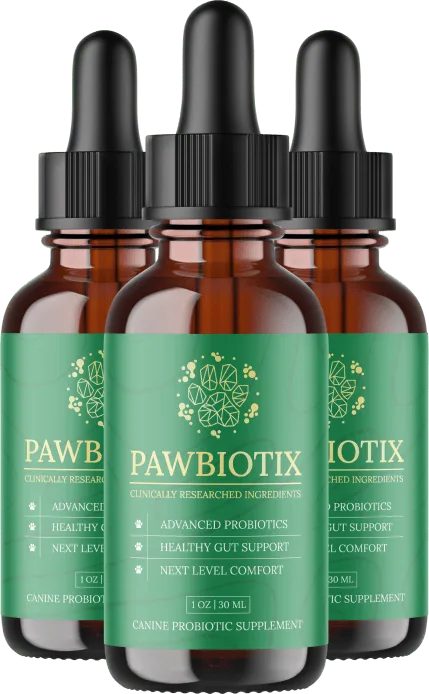
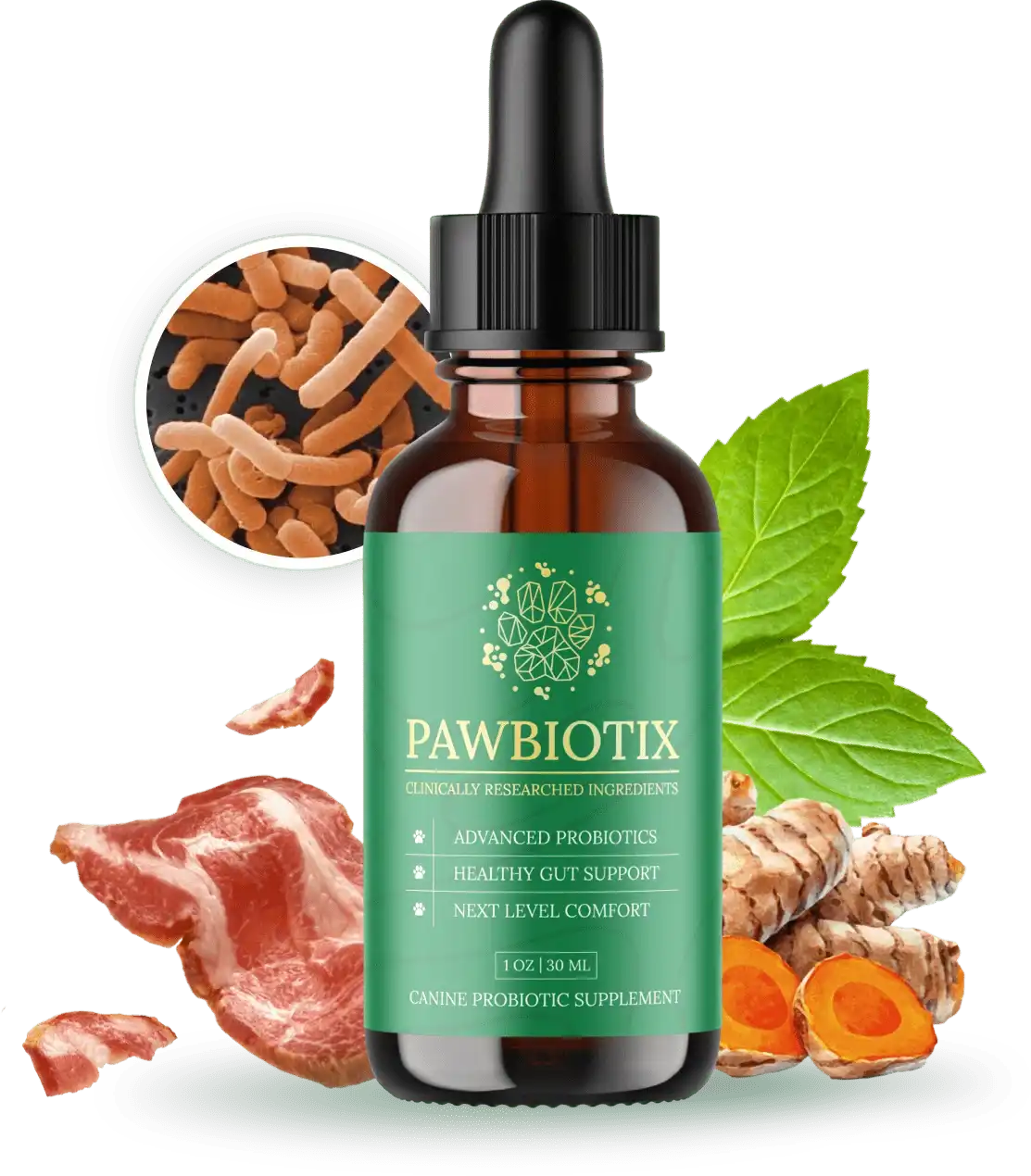
PawBiotix is one such supplement specifically formulated to address these issues. It combines a potent probiotic blend with a selection of natural ingredients known for their digestive and immune-supporting benefits. By targeting the root causes of digestive upset, such as an imbalanced microbiome and inflammation, PawBiotix aims to reduce gas, bloating, and discomfort, while promoting overall gut and immune health. It's designed to be a convenient and palatable addition to your dog's daily routine, helping them regain comfort and vitality.
Remember, while supplements can be incredibly helpful, they work best as part of a holistic approach that includes a high-quality diet and appropriate lifestyle management. Always discuss any new supplement regimen with your veterinarian to ensure it's the best choice for your dog's specific needs.
Key Ingredients in PawBiotix for Digestive Support
PawBiotix is crafted with a blend of potent, natural ingredients, each selected for its scientifically-backed ability to support canine digestive health, reduce gas and bloating, and bolster the immune system.

Bacillus Coagulans
Role: A highly resilient, spore-forming probiotic strain that survives stomach acid to reach the intestines, where it supports a healthy gut microbiome, aids digestion, and reduces gas and bloating. It also helps boost immune function.
Typical dose: 1-2 billion CFUs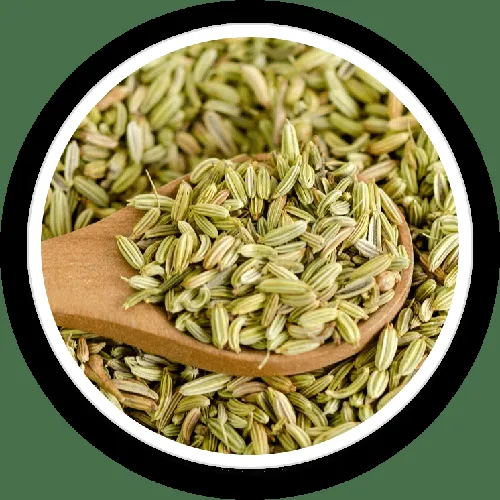
Fennel Seed Powder
Role: Known for its carminative properties, fennel seed helps to relax the smooth muscles of the GI tract, relieving gas, bloating, and stomach cramps. It also has anti-inflammatory benefits.
Typical dose: 50-200 mg
Organic Kelp Powder
Role: A rich source of essential vitamins, minerals (including iodine for thyroid health), and prebiotics. Kelp supports overall digestive health, aids in nutrient absorption, and can help maintain a healthy gut lining.
Typical dose: 100-500 mg
Chlorella Powder
Role: A powerful green algae known for its detoxifying properties, chlorella helps bind to and eliminate toxins from the body. It also provides essential nutrients and supports gut health by promoting beneficial bacteria.
Typical dose: 50-250 mg
Sodium Copper Chlorophyllin
Role: A derivative of chlorophyll, it acts as a natural internal deodorizer, helping to reduce offensive odors associated with excessive gas and bad breath. It also possesses antioxidant and anti-inflammatory properties.
Typical dose: 10-50 mg
Turmeric Root Extract
Role: Contains curcumin, a potent anti-inflammatory compound. Turmeric helps soothe gut inflammation, supports liver function, and can aid in overall digestive comfort and immune response.
Typical dose: 50-200 mgWhen to Consult Your Veterinarian
While many cases of gas and mild bloating can be managed with dietary and lifestyle changes, it's crucial to know when veterinary intervention is necessary. Ignoring severe or persistent symptoms can have serious consequences for your dog's health.
You should always consult your veterinarian if your dog exhibits any of the following:
- Sudden, severe, or rapidly worsening bloating: Especially if the abdomen is hard, painful, or distended. This is a potential sign of GDV (bloat), a life-threatening emergency.
- Unproductive retching or attempts to vomit: Another critical sign of GDV.
- Extreme lethargy, weakness, or collapse: These are signs of a severe medical issue.
- Persistent vomiting or diarrhea: If these symptoms last more than 24 hours or are severe, they can lead to dehydration and other complications.
- Blood in vomit or stool: Always a cause for concern and requires immediate veterinary attention.
- Loss of appetite for more than 24 hours: Can indicate pain, illness, or an obstruction.
- Significant weight loss: Unexplained weight loss, especially when accompanied by digestive issues, can point to chronic diseases like IBD, EPI, or cancer.
- Signs of pain: Whimpering, restlessness, reluctance to move, guarding their abdomen, or aggression when touched around the belly.
- Chronic or recurring gas and bloating: Even if mild, persistent issues warrant a vet visit to rule out underlying medical conditions, food sensitivities, or parasites.
Your veterinarian can perform a thorough examination, which may include blood tests, fecal analysis, X-rays, or ultrasound, to accurately diagnose the cause of your dog's digestive problems. They can then recommend the most appropriate treatment plan, which might range from dietary management and medication to, in severe cases, surgery.
Remember, you know your dog best. If something seems "off" or you have any concerns about their digestive health, it is always best to seek professional veterinary advice. Early diagnosis and treatment can significantly improve your dog's prognosis and quality of life.
Give Your Dog the Gift of Digestive Comfort with PawBiotix
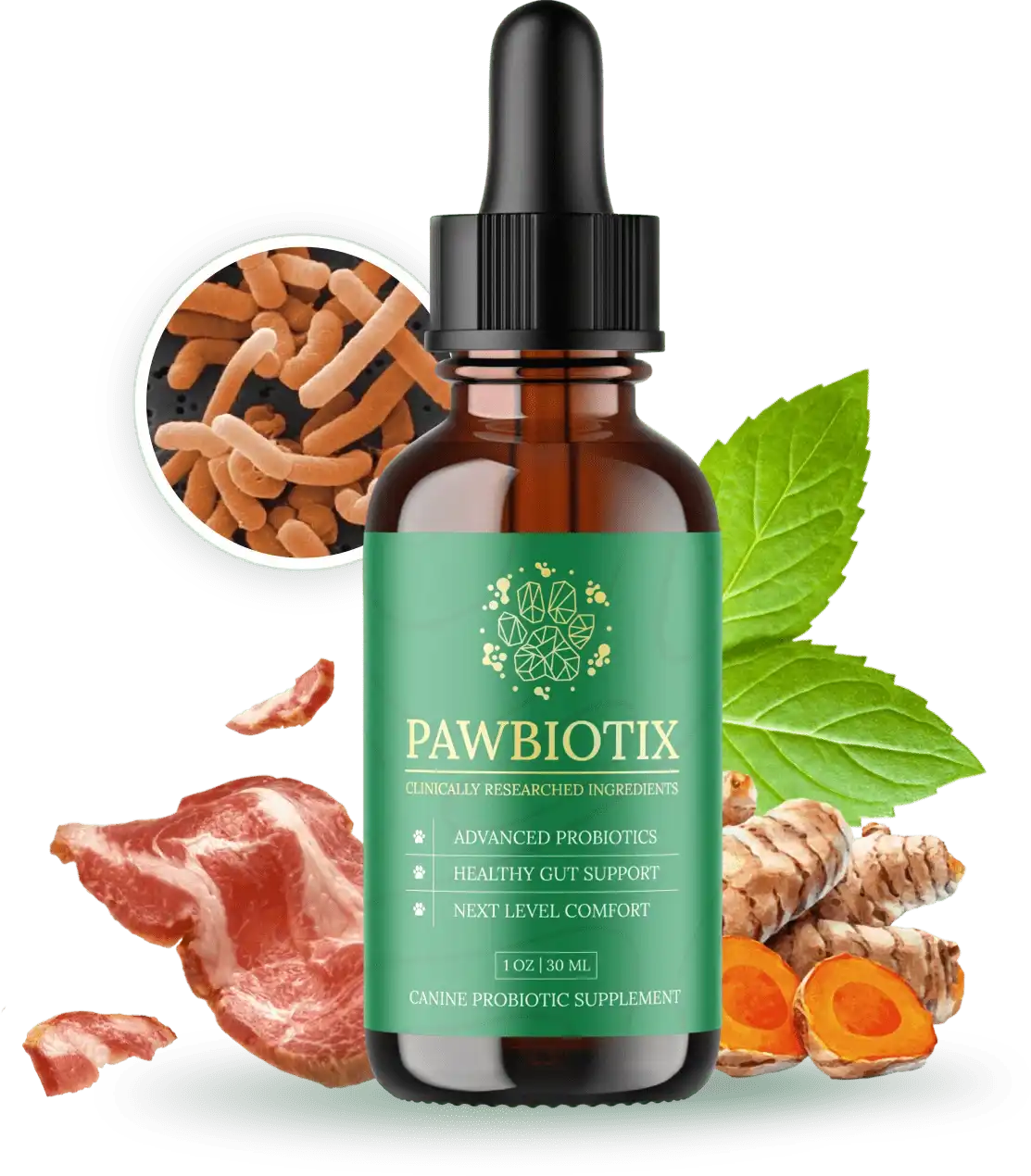
Don't let gas and bloating diminish your dog's joy and vitality. PawBiotix is a veterinarian-formulated blend designed to support your dog's gut health, reduce gas and bloating, and boost their immune system naturally, helping them live a happier, more comfortable life.
- Supports a balanced gut microbiome for optimal digestion
- Reduces gas, bloating, and discomfort
- Boosts immune system function for overall health
- Promotes healthy digestion & nutrient absorption
- Made with natural, vet-approved ingredients with a delicious bacon flavor




Happy Pups, Happy Owners: Real Stories
"My Golden Retriever, Buddy, used to have such terrible gas and a constantly upset tummy. We tried everything! Since starting PawBiotix, his digestion has completely transformed. No more uncomfortable gurgles or embarrassing smells. He's so much happier and more energetic now!"
"I was skeptical at first, but my vet suggested a probiotic for my senior Beagle, Max, who was struggling with chronic bloating. PawBiotix was a game-changer. His appetite improved, his stool is more consistent, and he just seems more comfortable overall. Plus, he loves the taste!"
"Our French Bulldog, Luna, has a very sensitive stomach. We constantly battled with gas and soft stools. PawBiotix has been a lifesaver. Her digestion is finally regular, and the bloating is practically gone. It's such a relief to see her thriving without constant stomach issues."
Frequently Asked Questions
Why does my dog get so much gas?
+Excessive gas in dogs can stem from various factors including diet (high-fiber, low-quality ingredients, or sudden changes), eating habits (eating too fast, gulping air), food sensitivities or allergies, and underlying medical conditions like irritable bowel syndrome (IBS) or pancreatitis. An imbalanced gut microbiome can also significantly contribute to increased gas production.
Is bloating in dogs always serious?
+While some bloating might be due to harmless gas buildup, it can also be a symptom of a life-threatening condition called Gastric Dilatation-Volvulus (GDV), or 'bloat,' which is a medical emergency. If your dog's abdomen is distended, hard, painful, and accompanied by unproductive retching, restlessness, or weakness, seek emergency veterinary care immediately. Mild bloating without these severe symptoms is usually less urgent but still warrants investigation.
How can I tell if my dog's digestive issues are serious?
+Serious digestive issues often present with severe symptoms such as persistent vomiting or diarrhea, blood in stool, extreme lethargy, loss of appetite for more than 24 hours, significant weight loss, or signs of severe pain like whimpering or reluctance to move. As mentioned, a hard, distended abdomen with unproductive retching is an emergency. Any sudden or severe change in your dog's digestive health should prompt a vet visit.
What role do probiotics play in dog digestion?
+Probiotics are beneficial bacteria that help maintain a healthy balance in your dog's gut microbiome. They aid in digestion, nutrient absorption, and can help reduce gas, bloating, and diarrhea by crowding out harmful bacteria. Probiotics also play a crucial role in supporting the immune system, as a significant portion of the immune system resides in the gut.
How long does it take to see results with digestive supplements?
+The time it takes to see results from digestive supplements like PawBiotix can vary depending on your dog's individual condition, the severity of their issues, and consistency of use. Some dogs may show improvements in a few days, while others might take several weeks to experience the full benefits. Consistent daily use is key to allowing the beneficial ingredients to establish a healthy gut environment.
Is PawBiotix safe for all dog breeds and ages?
+PawBiotix is formulated with natural ingredients generally recognized as safe for most dog breeds and ages. However, it's always recommended to consult with your veterinarian before introducing any new supplement to your dog's diet, especially for puppies, pregnant or nursing dogs, or dogs with pre-existing medical conditions or those on medication. Your vet can provide personalized advice based on your dog's specific health profile.
Related Articles