Is Your Dog's Tummy Ready for a Change?
Changing your dog's food can be a crucial step towards better health, addressing allergies, or simply finding a more nutritious option. However, without a careful approach, this transition can lead to uncomfortable digestive upset, including vomiting, diarrhea, and a general feeling of malaise for your beloved pet. It's a common scenario that can cause stress for both you and your furry friend.
Many dog owners overlook the delicate balance of their dog's gastrointestinal system, leading to abrupt changes that shock the gut. Understanding the science behind a safe food transition is key to preventing these issues and ensuring a smooth, healthy dietary shift. This comprehensive guide, informed by veterinary research, will walk you through the proper steps to transition your dog's food safely, minimizing discomfort and maximizing the benefits of their new diet.
Why a Gradual Food Transition is Absolutely Crucial
Your dog's digestive system is a finely tuned machine, and sudden changes can throw it into disarray. Understanding why a slow, deliberate transition is essential is the first step toward a successful dietary change.
The primary reason for a gradual transition lies in your dog's unique **gastrointestinal microbiome**. This complex ecosystem of bacteria, fungi, and other microorganisms plays a vital role in digestion, nutrient absorption, and even immune function. Each dog food formula, with its distinct blend of proteins, fats, carbohydrates, and fibers, supports a specific population of these microbes. When you abruptly switch foods, you introduce a completely new set of ingredients that the existing gut bacteria may not be equipped to break down efficiently. This sudden shift can lead to an imbalance, often resulting in an overgrowth of "bad" bacteria and a reduction in beneficial ones.
Think of it like this: if you suddenly changed your own diet from primarily plant-based to heavily meat-based overnight, your stomach would likely protest. Your dog's system is no different. Their digestive enzymes need time to adjust to new substrates, and the gut lining needs time to adapt to different nutrient profiles. An abrupt change can cause inflammation, irritation, and a breakdown of the gut barrier, making your dog susceptible to pathogens and nutrient malabsorption. This is why a smooth transition is not just about comfort, but about maintaining **long-term digestive health** and a strong immune system. For more insights on how to support their defenses, explore our article on dog immune support supplements.
💡 Key Takeaway
A dog's gut microbiome is highly sensitive to dietary changes. Gradual food transitions are essential to allow the digestive system, including enzymes and gut bacteria, to adapt, preventing upset, inflammation, and supporting overall health.
Signs Your Dog Might Benefit from a Food Change
Before embarking on a food transition, it's helpful to recognize the indicators that your current food might not be serving your dog's best interests. Identifying these signs can confirm that a dietary change is indeed warranted.
Persistent Digestive Issues
Frequent occurrences of diarrhea, constipation, excessive gas, or regular vomiting that aren't linked to acute illness can be a strong indicator. If your dog consistently has loose stools or struggles with bowel movements, their current food might be difficult to digest or contain ingredients they are sensitive to. These issues, when chronic, can significantly impact their quality of life and nutrient absorption.
Poor Coat and Skin Health
A dull, dry, flaky coat, excessive shedding, or chronic skin irritations, itching, and hot spots can often be traced back to diet. A food lacking essential fatty acids, vitamins, or containing common allergens can manifest externally. A healthy diet is foundational for vibrant skin and a lustrous coat, reflecting internal well-being.
Low Energy Levels and Lethargy
If your once energetic dog is now sluggish, less playful, or seems generally uninterested in activities they once loved, their food might not be providing adequate energy or proper nutrition. Poor nutrient absorption can lead to a lack of vitality, impacting their overall demeanor and zest for life. A balanced diet should fuel their daily activities.
Unexplained Weight Fluctuations
Significant weight gain despite controlled portions or unexplained weight loss can signal a dietary problem. The food might be too calorie-dense, too low in calories, or your dog might not be absorbing nutrients effectively. Consulting your vet is crucial here, but diet is a common factor in managing a healthy weight for your dog.
Food Allergies or Sensitivities
Beyond digestive issues, allergies can present as itchy paws, ear infections, or chronic licking. Common allergens include chicken, beef, dairy, wheat, and soy. If you suspect an allergy, a limited-ingredient diet or a novel protein source might be necessary. A food trial under veterinary guidance can help pinpoint the problematic ingredient.
Bad Breath and Oral Health Issues
While often attributed to dental hygiene, diet can play a role in chronic bad breath. Certain ingredients or an imbalanced gut microbiome can contribute to foul odors emanating from the mouth. Additionally, some kibbles are designed to help clean teeth, and a switch might be beneficial for oral health.
The Step-by-Step 7-10 Day Transition Plan
This tried-and-true method minimizes the risk of digestive upset by slowly introducing the new food over a period of about a week to ten days. Consistency and careful observation are your best tools during this process.
The core principle of a safe food transition is **gradual introduction**. You're essentially giving your dog's digestive system time to adjust to the new ingredients, enzymes, and nutrient ratios. Here's a typical schedule that works well for most healthy adult dogs:
- Days 1-2: 25% New Food, 75% Old Food. Begin by mixing a small portion of the new food with the majority of their old food. This initial step is crucial for gauging your dog's immediate reaction. Monitor their stool consistency, appetite, and energy levels closely. If you notice any mild signs of upset, such as slightly softer stools, you might need to extend this stage for an extra day or two.
- Days 3-4: 50% New Food, 50% Old Food. If your dog tolerated the first stage well, you can increase the new food to half of their meal. This is often where subtle digestive sensitivities might become more apparent. Continue to observe diligently. Good stool quality and normal behavior indicate you're on the right track.
- Days 5-6: 75% New Food, 25% Old Food. At this point, the new food makes up the majority of their diet. The digestive system should be largely acclimated. Most dogs will handle this stage without issues if the previous steps were smooth. This is a good time to ensure they are still enjoying the food and showing no adverse reactions.
- Days 7-10: 100% New Food. If all preceding stages have been successful with no signs of digestive upset, you can now feed your dog solely the new food. Continue monitoring for a few more days to ensure long-term acceptance and well-being.
Throughout this process, it's vital to maintain a consistent feeding schedule and portion sizes. Avoid introducing other new treats or dietary changes simultaneously, as this can complicate identifying the cause of any potential upset. Remember that every dog is an individual; some may require a slower transition, while others might adapt more quickly. Always prioritize your dog's comfort and health above strict adherence to a timeline.
Extending the Transition for Sensitive Dogs, Puppies, and Seniors
While the 7-10 day plan works for many, certain dogs require an even more gradual approach. Puppies, senior dogs, and those with known sensitive stomachs or existing health conditions benefit greatly from a longer transition period.
Sensitive Stomachs
For dogs prone to digestive issues, extend each stage of the transition to 4-5 days, making the entire process 2-3 weeks long. This allows their delicate systems more time to adjust to new proteins, fats, and fiber sources. Observe stool quality meticulously. If any soft stools appear, revert to the previous stage for a few extra days before attempting to increase the new food again.
Puppies and Young Dogs
Puppies have developing digestive systems that are more susceptible to upset. A 10-14 day transition is often recommended. Their gut microbiomes are still maturing, and sudden changes can easily cause diarrhea. Introducing new food slowly helps establish a healthy gut flora from a young age, setting them up for better digestive health throughout their lives.
Senior Canines
Older dogs often have slower metabolisms and potentially compromised digestive efficiency. A 2-3 week transition is ideal for seniors. Their systems may not adapt as quickly, and a gentle change minimizes stress on their bodies. Ensure the new food is appropriate for their age and activity level, focusing on easy digestibility and nutrient absorption.
Monitoring and Patience
Regardless of age or sensitivity, meticulous monitoring is key. Keep a journal of stool consistency, appetite, and energy levels. If at any point your dog shows significant digestive upset (e.g., watery diarrhea, frequent vomiting), pause the transition and consult your veterinarian. Patience is paramount; a slower transition is always better than a rushed one that leads to discomfort and potential health issues for your dog.
Monitoring Your Dog During the Transition
Vigilant observation is your most powerful tool during a food transition. Knowing what to look for can help you adjust the pace and address any issues promptly, ensuring your dog's comfort and health.
The primary indicator of how well your dog is adapting to the new food is their **stool consistency**. Ideally, you want to see firm, well-formed stools that are easy to pick up. Any deviation, such as soft stools, diarrhea (ranging from mushy to watery), or constipation, signals that their digestive system is reacting. Mild changes might mean slowing down the transition, while severe or prolonged diarrhea/vomiting warrants immediate veterinary attention. Keep an eye on the **color and frequency** of their bowel movements as well; unusual colors or significantly increased frequency can be red flags.
Beyond stool, observe your dog's **appetite and water intake**. Are they eagerly eating the new food, or are they hesitant? A sudden decrease in appetite or refusal to eat could indicate discomfort or an aversion to the new food. Similarly, changes in water consumption can signal digestive upset or dehydration. Their **energy levels and overall behavior** are also important clues. Lethargy, restlessness, excessive panting, or signs of abdominal discomfort (like guarding their belly, hunching, or whining) are all indicators that the transition might be too fast or the new food isn't agreeing with them. Pay attention to any **vomiting or regurgitation**, especially if it's frequent or contains undigested food. While an occasional regurgitation might be normal for some dogs, persistent vomiting is a serious sign of digestive distress.
By staying attentive to these signs, you can proactively manage the transition, making it as smooth and stress-free as possible for your dog. Remember, your veterinarian is your best resource if you have any concerns about your dog's health during this time.
The Role of Gut Health Supplements in Food Transitions
Even with a gradual transition, some dogs may experience minor digestive upset. This is where targeted gut health supplements can play a crucial supportive role, helping to stabilize their system and promote a smoother adaptation to new foods.
The gut microbiome is incredibly sensitive, and any dietary change, no matter how slow, can cause temporary imbalances. This is why many veterinarians and pet nutritionists recommend incorporating **probiotics, prebiotics, and digestive enzymes** during a food transition. These supplements work synergistically to support a healthy digestive environment.
Probiotics are beneficial live microorganisms that, when administered in adequate amounts, confer a health benefit on the host. They help to replenish and maintain a balanced population of "good" bacteria in the gut, which can be disrupted by new food ingredients. By fostering a diverse and robust microbiome, probiotics can improve digestion, reduce inflammation, and even strengthen your dog's immune response. Studies show that specific strains of probiotics can significantly reduce the incidence and severity of diarrhea during dietary changes.
Prebiotics are non-digestible food ingredients that selectively stimulate the growth and/or activity of one or a limited number of bacteria in the colon, thus improving host health. Essentially, they are "food" for the good bacteria in your dog's gut. By providing nourishment for beneficial microbes, prebiotics help them thrive and outcompete harmful bacteria, further stabilizing the gut during a transition.
Digestive enzymes, such as amylase, protease, and lipase, assist in breaking down carbohydrates, proteins, and fats, respectively. When a dog switches to a new food, their body might not immediately produce the optimal enzymes needed to digest the new formulation efficiently. Supplementing with digestive enzymes can help ensure that nutrients are properly broken down and absorbed, reducing the burden on the digestive system and preventing undigested food from causing irritation or fermentation in the gut.
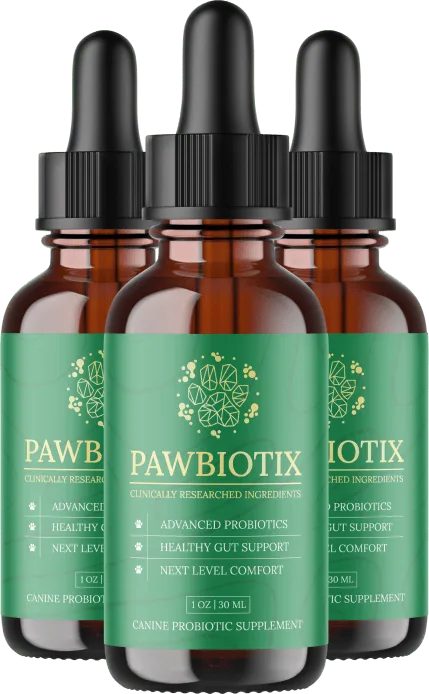
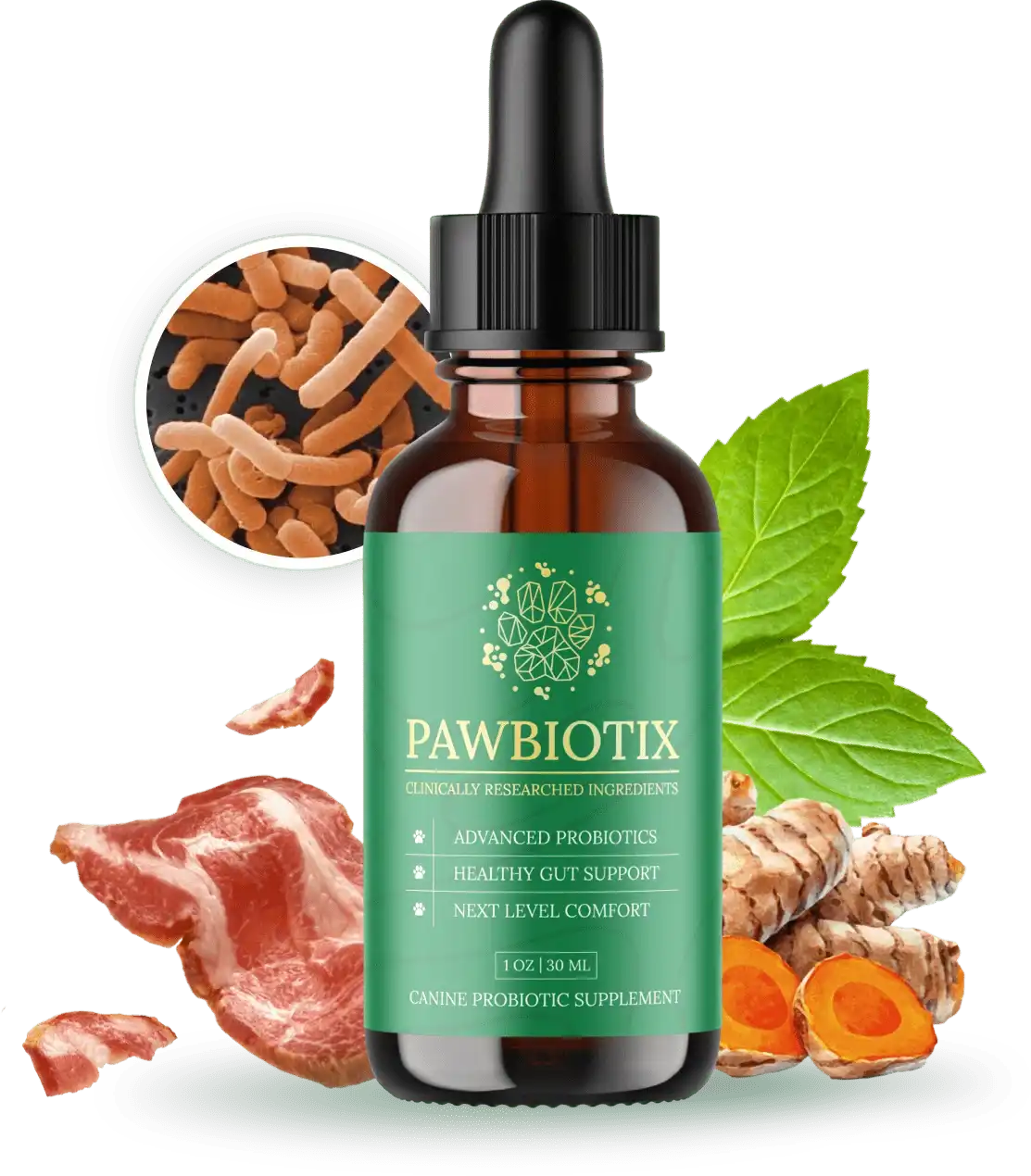
A comprehensive supplement that combines these elements, like **PawBiotix**, can be particularly effective. It's designed to provide a complete spectrum of gut support, making it an excellent aid for dogs undergoing dietary changes. By proactively supporting their digestive health, you can significantly reduce the chances of digestive upset and ensure your dog gets the most out of their new, improved diet. For more ideas on how to nourish your dog's gut, explore our guide on best foods for dog gut health.
Key Ingredients for Optimal Canine Digestive Health
Understanding the power of specific ingredients can help you choose the right support for your dog's gut, especially during a food transition or to address existing digestive issues. PawBiotix incorporates several key natural compounds known for their profound benefits.
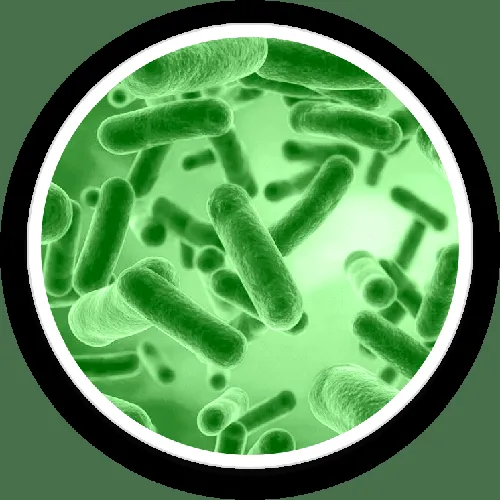
Bacillus Coagulans (Probiotic)
Role: A highly stable, spore-forming probiotic that survives stomach acid to reach the intestines, where it supports the balance of beneficial gut flora, aids in nutrient absorption, and helps reduce inflammation. It's crucial for maintaining a healthy microbiome and a strong immune system.
1-2 Billion CFUs
Chlorella Powder
Role: A potent freshwater algae known for its detoxifying properties. It helps bind to heavy metals and toxins, facilitating their removal from the body. Chlorella also provides a rich source of vitamins, minerals, and antioxidants, supporting overall cellular health and immune function, which is vital for a resilient gut.
100-300mg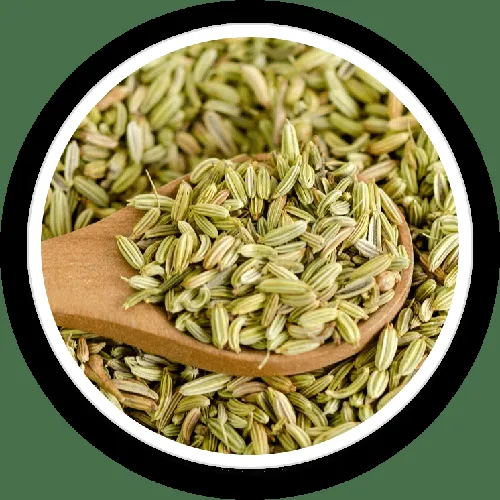
Fennel Seed Powder
Role: Traditionally used to soothe digestive discomfort, fennel seed acts as a natural carminative, helping to relieve gas, bloating, and stomach cramps. Its anti-spasmodic properties can calm the digestive tract, making it an excellent natural remedy for dogs experiencing mild upset during food transitions.
50-150mg
Organic Kelp Powder
Role: A nutrient-dense superfood from the sea, kelp is rich in iodine, which supports healthy thyroid function, crucial for metabolism. It also provides a wide array of trace minerals, vitamins, and prebiotics that foster a healthy gut environment and can help regulate digestion. Kelp's fiber content can aid in stool formation and regularity.
50-200mg
Sodium Copper Chlorophyllin
Role: A water-soluble derivative of chlorophyll, known for its powerful antioxidant and detoxifying effects. It helps neutralize free radicals, supports cellular health, and is effective at reducing body and breath odors, often associated with digestive imbalances. It can also aid in wound healing and overall vitality.
50-100mg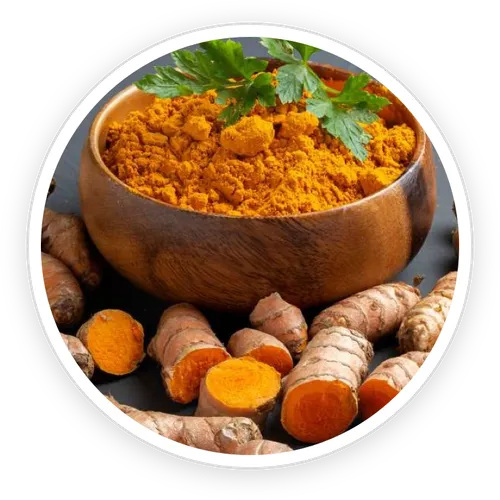
Turmeric Root Extract
Role: Standardized for its active compound, curcumin, turmeric is a potent anti-inflammatory and antioxidant. It supports a healthy gut lining, reduces inflammation throughout the digestive tract, and can alleviate symptoms of irritable bowel conditions. Its benefits extend to overall joint health and immune modulation, making it a powerful holistic ingredient.
50-150mg (standardized to curcuminoids)When to Seek Veterinary Advice During a Food Transition
While mild digestive upset can be normal during a transition, certain symptoms warrant immediate veterinary consultation. Knowing when to call your vet can prevent minor issues from escalating into serious health concerns.
It's important to distinguish between minor, temporary changes and more alarming symptoms. If your dog experiences **severe or prolonged diarrhea** (especially if it's watery, bloody, or contains mucus) for more than 24-48 hours, or if it's accompanied by **frequent vomiting**, it's time to contact your vet. These symptoms can quickly lead to dehydration, electrolyte imbalances, and other serious complications. Persistent loss of appetite, where your dog refuses to eat for more than a day, is also a cause for concern, as it can indicate significant gastrointestinal distress or an underlying issue.
Other warning signs include **extreme lethargy or weakness**, noticeable **abdominal pain** (your dog may hunch, whine, or resist being touched on their belly), **fever**, or any **unusual changes in behavior** that suggest discomfort or illness. Puppies and senior dogs are particularly vulnerable to dehydration and rapid decline, so their symptoms should be taken even more seriously. If you're ever in doubt, it's always safer to err on the side of caution and consult a professional. Your veterinarian can assess your dog's condition, rule out other medical causes for the symptoms, and provide guidance on how to proceed with the food transition or recommend alternative strategies. They might suggest a bland diet, prescribe medication, or advise on further diagnostic tests to ensure your dog's well-being. For more information on general pet health and when to seek help, consider our article on natural pet health relief remedies.
Ready to Support Your Dog's Digestive Health?
Ensure your dog's tummy is happy and healthy with PawBiotix, a veterinarian-formulated supplement designed to provide comprehensive gut support. Perfect for dietary transitions, sensitive stomachs, and overall well-being.
- ✓ Supports a balanced gut microbiome
- ✓ Aids in smooth food transitions
- ✓ Reduces gas, bloating, and digestive upset
- ✓ Boosts immune system function
- ✓ Made with natural, high-quality ingredients




What Happy Pet Parents Are Saying
"We tried switching our golden retriever's food multiple times, always resulting in diarrhea. This guide, combined with PawBiotix, made the latest transition seamless! No upset, just a happy, energetic pup. Highly recommend for sensitive tummies."
"My senior dog has a very delicate digestive system. Following these transition steps and adding PawBiotix to her meals has been a game-changer. She's tolerating her new food beautifully and seems to have more energy. Her stools are finally consistent!"
"PawBiotix was a lifesaver during our puppy's food transition. He usually gets gas and loose stools with any change, but this time, nothing! He's thriving on his new food, and I attribute a lot of that to the gentle support from PawBiotix."
Frequently Asked Questions
How long should a dog food transition take?
+A typical dog food transition should take at least 7-10 days. For dogs with sensitive stomachs, puppies, or seniors, extending this period to 2-3 weeks can be highly beneficial. The key is to gradually introduce the new food while reducing the old food, allowing your dog's digestive system to adapt slowly to the new ingredients and nutrient profile.
What are the common signs of digestive upset during a food change?
+Common signs of digestive upset include diarrhea (which can range from soft stools to watery, explosive movements), vomiting, loss of appetite, lethargy, increased gas, abdominal discomfort (manifesting as restlessness or guarding their belly), and changes in behavior. If these symptoms are severe or persist for more than 24-48 hours, consult your veterinarian immediately.
Can I mix wet and dry food during the transition?
+Yes, you can mix wet and dry food during the transition, provided both are part of the new diet you're introducing. The principle remains the same: gradually increase the proportion of the new food (whether wet, dry, or a combination) while decreasing the old food. Ensure the textures and ingredients are compatible and don't cause additional digestive stress for your dog.
What if my dog refuses the new food?
+If your dog refuses the new food, don't force it. Try reducing the proportion of the new food and increasing the old food slightly, then proceed even more slowly. You can also try warming the food slightly to enhance its aroma, or adding a small amount of low-sodium broth or a vet-approved food topper. Persistent refusal might indicate an ingredient aversion or a need to try a different food altogether.
Are probiotics necessary when changing dog food?
+While not strictly 'necessary' for every dog, probiotics can be incredibly beneficial during a food transition. They help maintain a healthy balance of gut bacteria, which can be disrupted by dietary changes. Supplementing with probiotics can reduce the likelihood and severity of digestive upset, making the transition smoother and supporting overall gut health. A quality probiotic supplement can provide an extra layer of protection for your dog's sensitive digestive system.
How can PawBiotix help with dog food transitions?
+PawBiotix is formulated with a blend of beneficial probiotics, prebiotics, and digestive enzymes designed to support optimal canine gut health. Its natural ingredients work synergistically to maintain a balanced microbiome, reduce inflammation, and aid digestion. By supporting the gut's natural functions, PawBiotix can help your dog adapt more easily to new foods, minimize digestive upset, and bolster their immune system during the dietary change, ensuring a smoother and healthier transition.
Related Articles